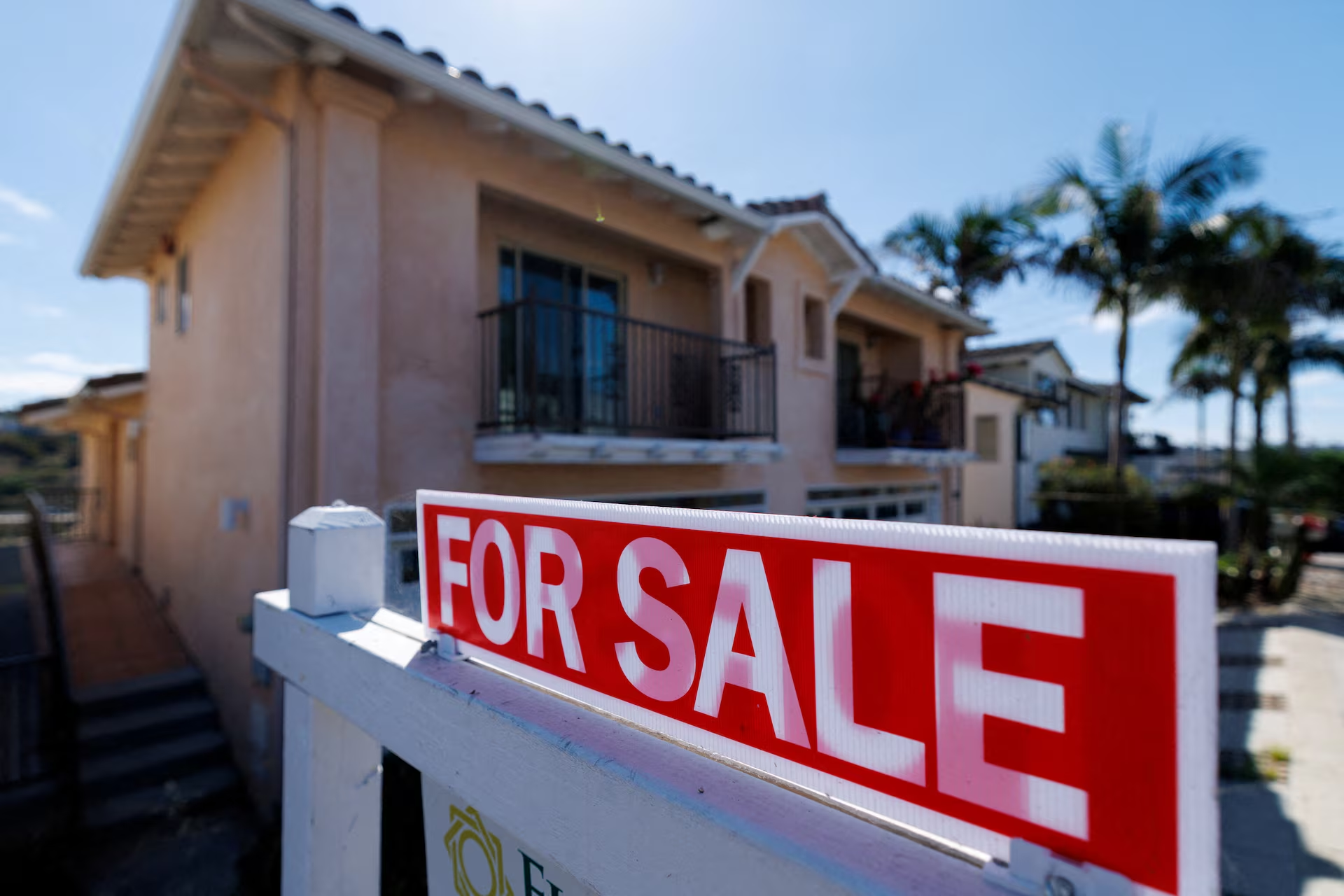
US Housing sales declined sharply in July as elevated mortgage rates continued limiting demand from potential buyers. New single-family home sales dropped 10.5% during the month, reaching a seasonally adjusted annualized rate of 607,000 units. That figure marked the weakest sales level since January and came below economists’ expectations of around 620,000 units. Meanwhile, the median price for a newly built home fell to $393,800, reaching its lowest level in roughly four years. The median price also stood 0.9% below the level recorded during the same period last year. Therefore, the latest figures show that high borrowing costs continue creating challenges for Americans considering home purchases. Although lower prices could improve affordability for some households, mortgage expenses remain a major obstacle for many potential buyers.
Mortgage rates have remained elevated, further limiting activity across the housing market. The average rate for a 30-year fixed mortgage reached 6.77% during the week ending August 14. That figure remained close to the recent high of 6.81% recorded at the end of July. Consequently, many households continue facing substantial financing costs when considering a new home. Higher monthly payments can discourage buyers even when property prices begin moving lower. At the same time, expectations for future income and employment also influence household decisions. US Housing demand therefore remains sensitive to both borrowing costs and broader economic confidence. Furthermore, economists expect mortgage conditions to remain important as financial markets assess inflation and potential changes in monetary policy.
Consumer confidence also weakened during August, adding another challenge for the housing market. The consumer confidence index declined to 89.4 from a revised July reading of 90.2. Economists had expected the measure to remain near 90.2 during August. The expectations index recorded the largest weakness, falling 7.8% during the month. Meanwhile, households expressed somewhat stronger views about their current financial circumstances. However, their outlook for the coming months became increasingly cautious because of concerns about employment, income growth, and inflation. Only 5.2% of surveyed consumers said they planned to purchase a home within six months. That figure fell from 6.5% during July, marking the largest decline in more than five years. As a result, weaker confidence could further reduce demand among households already facing expensive mortgage payments.
Inflation remains another important factor affecting consumer decisions and borrowing conditions. Americans expect inflation to reach 5.8% over the next year, compared with 5.6% during July. Higher inflation expectations can influence household spending because consumers may anticipate additional increases in everyday expenses. Consequently, families may delay major purchases while waiting for clearer economic conditions. Meanwhile, financial markets continue monitoring government bond yields because they influence longer-term borrowing costs. The 10-year Treasury yield serves as an important benchmark for 30-year mortgage pricing. Therefore, movements in Treasury markets could continue influencing housing affordability during the months ahead. The Federal Reserve has also maintained its benchmark interest rate since December while officials continue assessing inflation pressures and economic conditions.
The latest figures highlight continued pressure across both housing demand and consumer sentiment. However, the data do not necessarily signal an immediate collapse in the housing market. Instead, they show how expensive financing and economic uncertainty continue discouraging potential buyers. US Housing activity could improve if mortgage rates decline and household financial expectations become more positive. Nevertheless, current conditions suggest that many Americans remain unwilling or unable to accept today’s borrowing costs. Inflation, employment expectations, and interest rates will therefore remain important factors for the market. For now, prospective buyers face a difficult combination of high financing expenses, cautious confidence, and uncertain economic expectations. The direction of mortgage rates will likely remain one of the most important factors shaping housing activity ahead.