
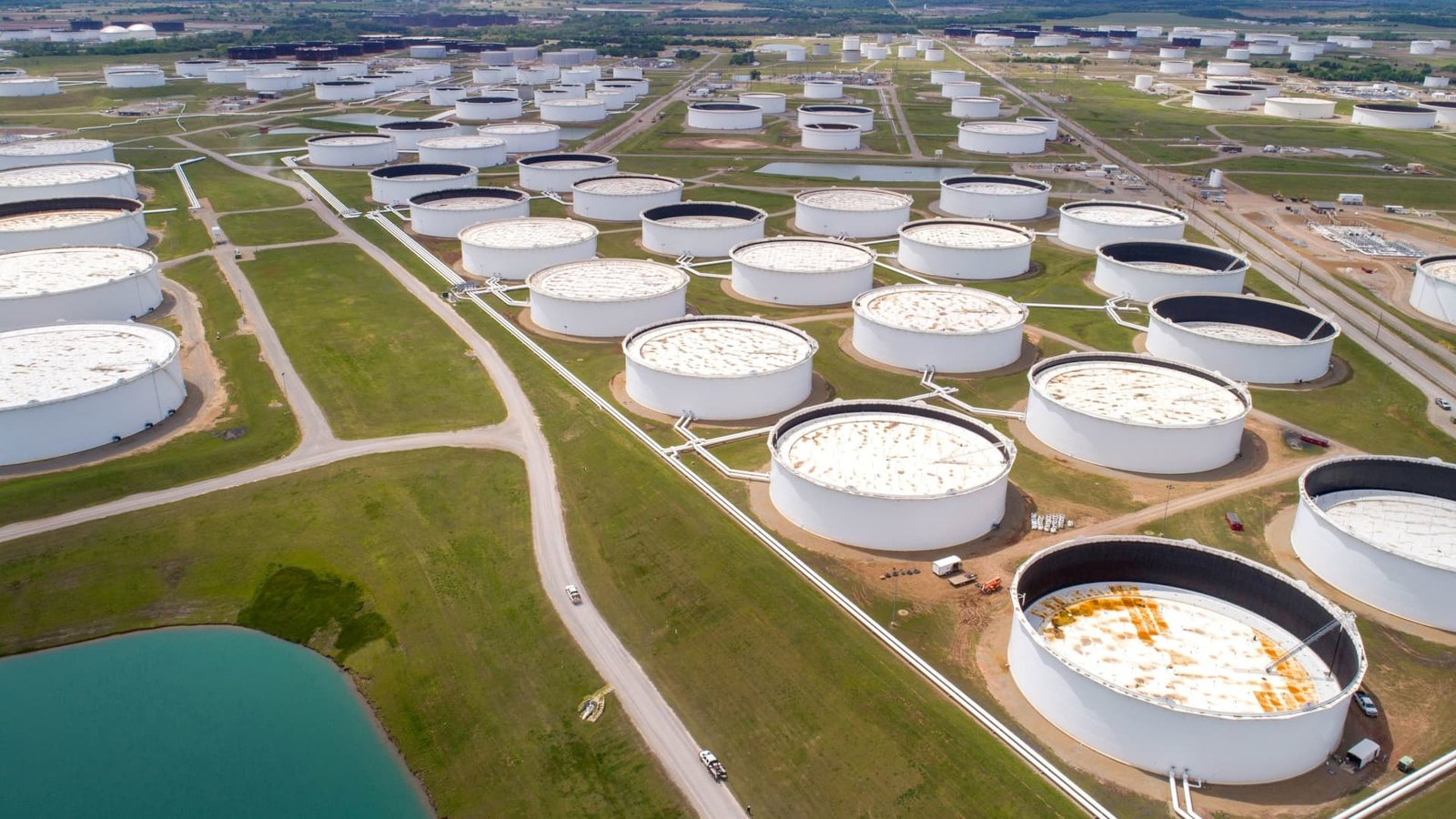
Oil Prices moved higher as investors monitored developments in the Middle East and their potential effect on energy markets. Brent crude traded near $100 per barrel during Tuesday trading, while U.S. crude remained above $93. The movement reflected changing expectations around regional supply and shipping conditions. Meanwhile, traders continued assessing how developments could influence energy markets and broader financial activity.
The Strait of Hormuz remained an important focus for energy traders during the latest session. The waterway carries a significant share of global oil and liquefied natural gas shipments. Consequently, changes in shipping activity can influence expectations for future energy supplies and prices. However, alternative export routes and production from other regions continue providing additional supply options.
Recent attacks involving Saudi energy facilities added another development for traders to consider. Saudi authorities reported that some facilities temporarily halted operations following the incidents. Meanwhile, tensions between Iran and the United States continued shaping expectations across regional energy markets. As a result, traders remained attentive to developments that could affect transportation and production.
Crude prices have also influenced fuel markets in the United States. Gasoline prices reached elevated levels around the Labor Day holiday period. Higher crude costs can affect fuel prices because oil represents an important component of gasoline production. Nevertheless, several other factors also influence retail fuel prices, including refining capacity, inventories, transportation costs and seasonal demand.
At the same time, international trade developments remained part of the broader market picture. Iran criticized Canada’s position regarding U.S. actions around the Strait of Hormuz. Canada also introduced new tariffs covering billions of dollars in American goods. These developments added another area for investors to monitor alongside energy prices and regional security concerns.
The trade dispute also brought attention to Bombardier and its operations within the United States. President Donald Trump called for greater aircraft manufacturing activity inside the American market. Bombardier has maintained a significant presence in the United States through manufacturing, services and other business operations. The situation illustrates how trade policies can affect international companies and their production decisions.
Despite the latest geopolitical developments, global financial markets continued operating across several major regions. U.S. stock futures showed mixed movements as investors returned after the Labor Day holiday. Meanwhile, Japanese shares faced pressure while the yen remained relatively strong against the U.S. dollar. Investors also considered economic indicators and company developments alongside geopolitical factors.
European technology markets provided another notable development during Tuesday trading. French artificial intelligence company Mistral secured €3 billion in new funding at a €21 billion valuation. Samsung Electronics participated among the major investors in the financing round. The transaction highlighted continued investor interest in artificial intelligence companies and Europe’s growing technology sector.
Energy markets, however, remained closely connected to developments around the Middle East. Traders continued evaluating shipping activity through the Strait of Hormuz and production conditions. Furthermore, analysts considered whether current disruptions could continue affecting energy flows during coming months. At the same time, alternative routes and additional production could help balance some supply pressures.
Market participants therefore continued watching crude benchmarks alongside currency, equity and commodity movements. Oil prices can influence inflation expectations, transportation expenses and operating costs across several industries. However, the broader market response depends on supply conditions, demand trends and developments outside the Middle East. Investors consequently remained focused on new information rather than assuming one direction for markets.
Overall, Oil Prices remained an important indicator as investors assessed regional developments and global energy conditions. Brent crude approached the $100 level while U.S. crude remained above $90 during the latest trading session. Meanwhile, financial markets continued weighing energy developments against corporate and economic factors. Oil Prices will remain closely watched as traders assess future supply, demand and transportation conditions.