
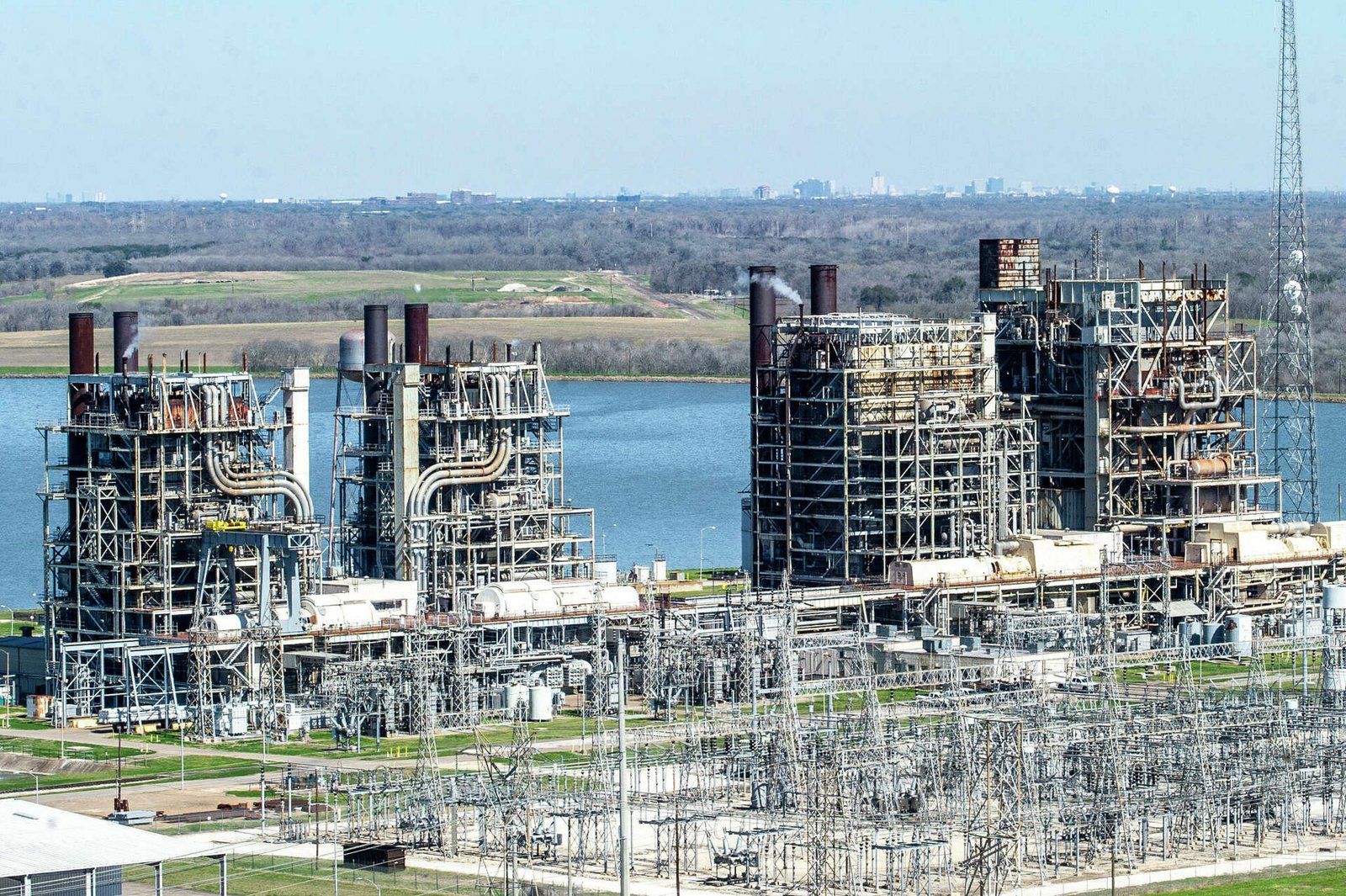
South Korea and the United States are discussing an investment of about $22.3 billion for a major gas power project in Texas. The proposed investment would support a 6.3-gigawatt gas plant planned for Encinal, Texas, according to reports citing South Korean officials and lawmakers. The project would represent Seoul’s first major US investment under a trade agreement reached between the two countries last year. However, South Korea’s Industry Ministry said negotiations remain active and cautioned against treating the reported figure as final.
The proposed Texas gas project would aim to meet rising electricity demand from artificial intelligence data centers. As AI companies expand their computing infrastructure, demand for reliable power has increased across several regions in the United States. Therefore, South Korean investment could support additional electricity generation while also expanding economic ties between Seoul and Washington. At this stage, however, neither government has confirmed the final investment structure or the amount that South Korea would contribute.
The project forms part of a broader trade agreement between the two allies. Under that arrangement, South Korea pledged to invest approximately $350 billion in the United States while receiving more favorable tariff terms for its exports. Consequently, the Texas development could become an important early example of how Seoul plans to fulfill its investment commitments. Nevertheless, officials still need to complete negotiations and follow required domestic approval procedures before making a final decision.
Reports indicate that the gas facility could become one of several major American projects South Korea is considering. Seoul has also examined potential investments involving nuclear power generation and liquefied natural gas infrastructure in Alaska. These options reflect a broader effort to expand South Korean industrial and energy investments across the United States. At the same time, officials have stressed that discussions about individual projects remain subject to further review.
South Korea’s Industry Ministry has disputed some details surrounding the Texas proposal. The ministry said published reports contained inaccurate information and emphasized that consultations with Washington continue. Therefore, officials have not confirmed the reported $22.3 billion figure as a finalized investment commitment. The ministry also said the government would provide an announcement after negotiations conclude and officials complete the necessary internal procedures.
The final investment arrangement could involve several companies, government agencies, and financial partners. Because the proposed facility would require substantial capital, determining how the costs would be divided remains an important issue. The available information does not establish whether South Korea would finance the entire project independently. Instead, further negotiations will likely determine the participation of Korean businesses, American partners, and other potential investors.
Meanwhile, the planned gas plant reflects growing concerns about electricity supply for large technology facilities. AI data centers require significant amounts of power to operate advanced computing equipment around the clock. Consequently, energy companies and governments have increasingly focused on building new generation capacity near areas experiencing rapid data-center development. Texas has become one of the major destinations for such investments because of its expanding energy and technology industries.
The South Korean proposal could therefore create opportunities beyond power generation itself. Construction of the plant could generate demand for equipment, engineering services, construction workers, and related industrial suppliers. Furthermore, a large investment could deepen commercial connections between companies in both countries. However, the project still faces additional negotiations before officials can determine its exact scope, financing structure, and construction timetable.
The trade agreement also gives the proposed investment broader economic significance. South Korea has strong manufacturing, technology, and industrial capabilities, while the United States remains a major destination for infrastructure investment. By combining those strengths, both countries could expand industrial cooperation while supporting their wider economic partnership. Nevertheless, the success of individual projects will depend on financial conditions, regulatory approvals, and the final terms agreed by both governments.
South Korean officials have also signaled caution regarding another possible nuclear power project in the United States. The Industry Ministry separately stated that Seoul has not made any decision to build a large-scale nuclear facility there. That clarification indicates that several reported projects remain under consideration rather than representing confirmed commitments.
The situation surrounding the Texas proposal therefore remains fluid as negotiations continue. While reports have placed the investment near $22.3 billion, South Korean officials have not confirmed the amount. Likewise, the government has not finalized whether it will finance the entire development or participate alongside other investors. Consequently, further announcements will likely provide more information about the project’s ownership, funding, and construction schedule.
The Texas project would also connect South Korea’s investment strategy with the growing American demand for energy infrastructure. As data centers expand, electricity providers need additional generation capacity to support higher consumption. Gas-fired facilities can provide steady power while companies continue developing renewable and other energy sources. Therefore, the proposed plant could serve both economic and infrastructure goals if negotiations produce a final agreement.
For Washington, the project could represent progress toward attracting the investment promised under the bilateral trade arrangement. For Seoul, investing in American energy infrastructure could strengthen its commercial presence while supporting its commitments under the agreement. At the same time, both governments must balance those objectives with domestic approval requirements and financial considerations.
The reported $22.3 billion figure should therefore remain viewed as a potential investment rather than a finalized commitment. South Korea’s Industry Ministry has emphasized that discussions with the United States remain underway. Officials will need to complete negotiations, determine the final structure, and address parliamentary procedures before confirming the project.
For now, the proposed Texas gas plant remains an important part of discussions between Seoul and Washington. The project could become South Korea’s first investment under the two countries’ trade agreement if officials finalize the arrangement. Meanwhile, additional energy projects in the United States remain under consideration as Seoul evaluates opportunities for broader investment.
South Korea and the United States continue discussing the Texas development as both sides pursue their wider economic objectives. The negotiations could eventually produce a major energy investment supporting electricity demand from expanding AI infrastructure. However, officials have not finalized the project, and several important financial and regulatory questions remain unresolved.
Further announcements are expected once the negotiations conclude and South Korean authorities complete their approval procedures. Until then, the proposed Texas gas plant remains a developing investment plan rather than a confirmed $22.3 billion commitment.