
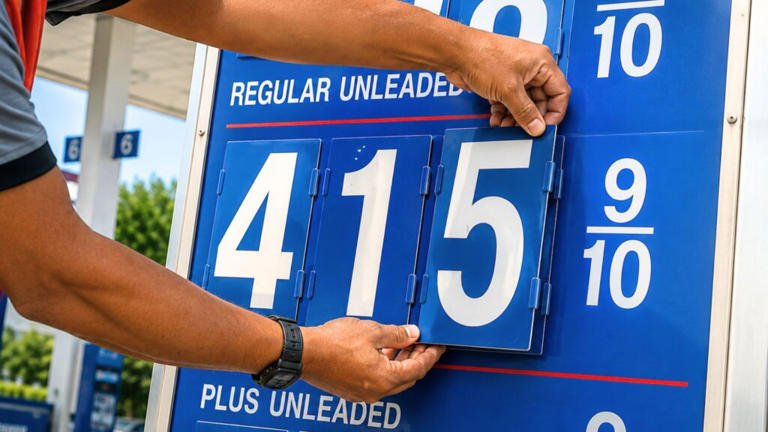
Gasoline prices could decline after Labor Day as seasonal demand changes and fuel production increases across the United States. Energy Secretary Chris Wright said consumers could see some relief, although he avoided making a firm prediction. Meanwhile, several factors could still push prices higher during the coming weeks.
Wright discussed the outlook for fuel costs during several television appearances on Sunday. He pointed to normal seasonal patterns that usually reduce gasoline demand after Labor Day. Traditionally, Americans drive less when the summer travel period ends and autumn begins.
At the same time, Wright expects domestic gasoline production to increase as demand starts falling. Therefore, he believes those two trends could create downward pressure on prices. However, he repeatedly emphasized that market conditions could change quickly.
The current situation remains challenging for American drivers. Average regular gasoline prices reached about $4.15 per gallon on Sunday. That level represents the highest Labor Day weekend average recorded in available data.
Furthermore, diesel prices have also reached unusually high levels. Rising diesel costs can affect transportation companies, farmers, manufacturers, and retailers across the economy. Consequently, higher fuel expenses can eventually influence the prices consumers pay for many everyday goods.
Several recent developments have contributed to the increase in fuel costs. Crude oil prices have climbed as renewed conflict in the Middle East disrupts international energy markets. The global oil benchmark recently moved above $96 per barrel, reaching its highest level in approximately six weeks.
Nevertheless, oil supplies through the Strait of Hormuz have shown signs of improvement. More tankers and other vessels have reportedly continued moving through the strategically important waterway. That development could ease some supply concerns if transportation flows remain stable.
However, fresh regional fighting could create additional uncertainty when financial markets reopen. Any disruption involving major oil-producing regions or important shipping routes could quickly affect crude prices. As a result, American motorists may continue facing unpredictable fuel costs.
Wright also highlighted gasoline futures as another reason for cautious optimism. Market prices for future gasoline deliveries have declined, suggesting traders expect lower costs later this year. However, futures markets cannot guarantee what consumers will ultimately pay at gas stations.
Several factors can change retail fuel prices between now and the end of the year. Refinery operations, crude oil costs, transportation expenses, seasonal demand, and geopolitical events can all influence prices. Therefore, consumers should not treat futures contracts as a reliable prediction of future pump prices.
The administration has also taken steps aimed at increasing gasoline production. Wright pointed to changes involving environmental requirements for certain summer gasoline blends. Those adjustments could provide refiners with greater flexibility as the country moves beyond the summer driving season.
Still, the timing remains important because fuel prices have become a significant economic issue. Higher gasoline costs can reduce household spending power, particularly for families that depend heavily on personal vehicles. Moreover, expensive diesel can increase operating costs throughout the transportation and agricultural sectors.
The situation also carries political significance because U.S. midterm elections are approaching. Higher fuel costs could influence voters’ perceptions of economic conditions and government policy. However, Wright has focused primarily on market conditions rather than making specific political promises about future prices.
For now, gasoline prices face competing forces that could produce different outcomes. Seasonal demand should normally weaken after Labor Day, while increased production could provide additional supply. Conversely, higher crude prices and geopolitical instability could prevent a significant decline.
Energy markets will therefore remain highly sensitive to developments in the Middle East. Any major disruption to oil production or transportation could quickly change the current outlook. Likewise, improved regional stability could reduce pressure on crude prices and eventually benefit American consumers.
Overall, the outlook for gasoline prices remains uncertain despite Wright’s expectation of possible relief. Seasonal trends provide one reason for optimism, while global oil markets create significant risks. Consequently, drivers may need to wait several weeks before the direction of fuel costs becomes clearer.
For American households, even a modest decline could provide some financial relief. Lower fuel expenses could leave consumers with more money for groceries, services, and other purchases. However, continued volatility means drivers should expect the market to respond quickly to global developments.

