
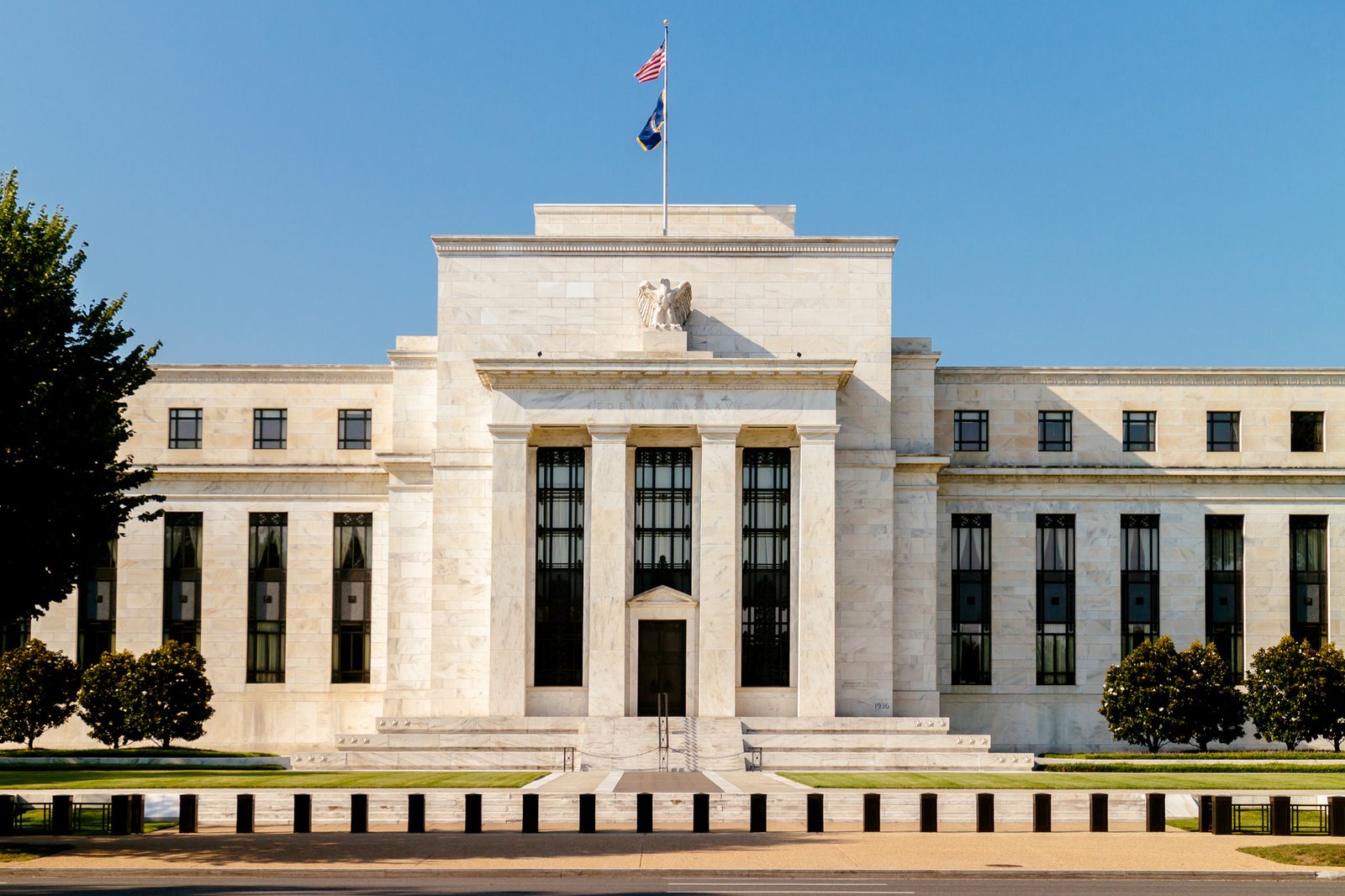
Inflation data could become the key factor for Federal Reserve officials as they prepare for their September policy meeting. The latest figures could determine whether policymakers raise interest rates or maintain current borrowing costs. Meanwhile, economic developments across Britain and Europe also point toward continued uncertainty. Consequently, investors are watching inflation, growth, energy prices, and employment trends closely.
The U.S. Bureau of Labor Statistics will release August consumer price figures later this week. Economists expect annual headline inflation to remain around 3.4%, matching July’s reading. However, analysts expect core inflation to ease slightly during the same period. Core inflation excludes food and energy costs, giving policymakers another measure of underlying price pressures.
Therefore, Federal Reserve officials could focus particularly on the core measure during their upcoming discussions. Energy prices can fluctuate because of international developments beyond the central bank’s direct control. Oil prices have recently faced additional pressure because conflict in the Middle East continues disrupting global energy markets. As a result, policymakers could separate temporary energy effects from broader domestic inflation trends.
If underlying inflation continues slowing, Federal Reserve officials could decide against another interest rate increase. However, stronger price growth could encourage policymakers to consider higher borrowing costs. Recent labor market figures have also complicated the outlook for monetary policy. Stronger-than-expected payroll growth increased expectations that officials might adopt a tighter approach.
Financial markets have therefore increased their expectations for a possible September rate increase. Investors now see a significant possibility that policymakers could raise rates during the meeting. Additionally, several Federal Reserve officials have previously expressed concerns about inflation remaining above the central bank’s long-term target.
At the same time, Britain faces a different but related economic challenge. Recent figures suggest that the UK economy could continue growing despite several significant pressures. Economists expect July economic output to increase modestly from the previous month. Consumer spending patterns could support growth as people shift spending toward restaurants, hospitality, and entertainment.
Furthermore, recent surveys indicate that business and consumer confidence improved during August. Those developments could suggest that economic activity remains more resilient than earlier forecasts predicted. However, economists continue to identify several risks that could weaken Britain’s performance later this year.
Higher energy prices remain one of the biggest concerns for households and businesses. Rising energy costs could increase inflation while simultaneously reducing consumers’ disposable incomes. Meanwhile, a weaker employment market could create additional pressure on household finances. Higher government borrowing costs could also increase pressure on public finances and mortgage rates.
The European economy faces similar inflation concerns as policymakers prepare for another potential interest rate increase. The European Central Bank could raise borrowing costs again while updating its economic forecasts. Recent economic indicators have shown some improvement, particularly after stronger activity during the second quarter.
Nevertheless, inflation continues to create difficulties for European policymakers. Energy prices have increased because geopolitical tensions have disrupted international oil markets. Furthermore, prolonged drought conditions have affected transportation networks, agricultural production, and supply chains across parts of Europe.
Consequently, European inflation could remain above the central bank’s 2% target for longer than previously expected. Recent annual inflation figures already moved higher, increasing pressure on policymakers to maintain restrictive monetary conditions. Investors will therefore examine the ECB’s updated forecasts for clues about future rate decisions.
The outlook remains particularly complicated because higher interest rates can reduce inflation while also slowing economic growth. Central banks must therefore balance price stability against the risk of weakening economic activity. Meanwhile, businesses and households must adjust to changing borrowing costs and elevated energy expenses.
In the United States, inflation data will likely receive the greatest attention during the coming days. A softer reading could reduce expectations for additional monetary tightening and support financial markets. Conversely, unexpectedly strong inflation could strengthen expectations for another rate increase and increase borrowing costs.
Overall, the economic outlook remains mixed across the United States, Britain, and Europe. Some indicators point toward resilient growth, while inflation and energy pressures continue creating significant challenges. Therefore, inflation data will remain central to investor expectations and central bank decisions in the weeks ahead.
As policymakers prepare for their next meetings, markets will closely monitor incoming economic figures. The results could influence interest rates, borrowing costs, currencies, and investment decisions across major economies. For now, investors face a delicate environment where modest economic improvements coexist with persistent inflation risks.

