
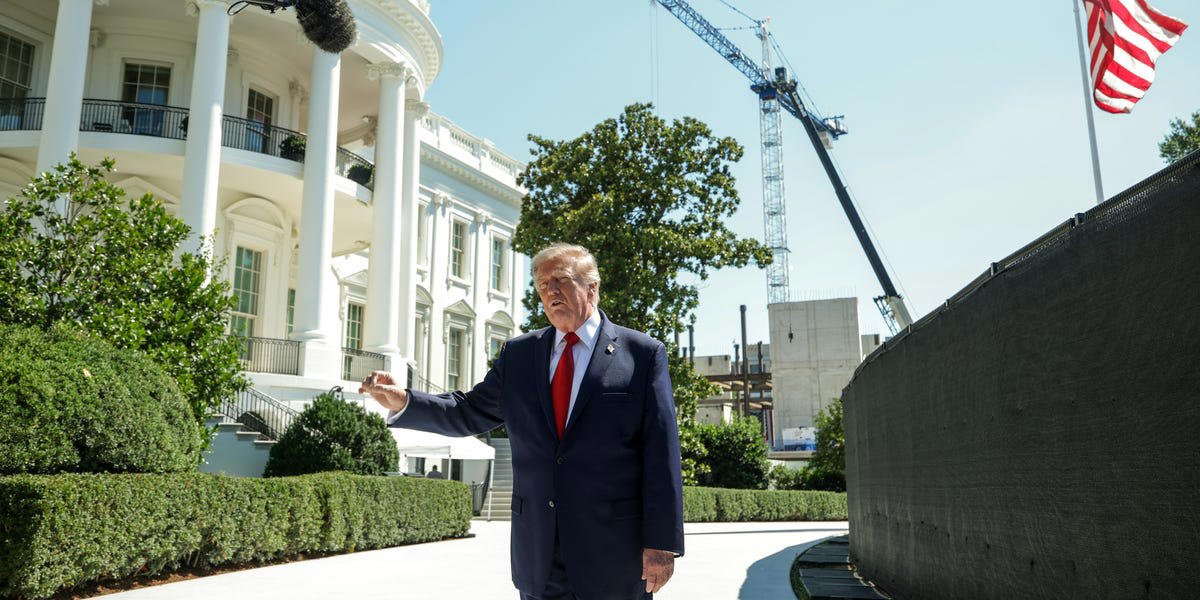
President Donald Trump says construction of a new helipad at the White House has reached completion. The project follows his request for changes after he expressed dissatisfaction with the original design. Trump announced the completion on Sunday while sharing a message about the facility’s importance for modern presidential transportation. The announcement also referenced former President Dwight Eisenhower, who became the first president to travel by helicopter.
Trump said the new helipad reflects changing needs surrounding presidential transportation and security. He contrasted the current White House requirements with conditions during Eisenhower’s presidency. In his announcement, Trump described the finished facility as magnificent and highlighted the role helicopters can play. Meanwhile, the project represents another recent construction effort involving the White House grounds during his administration.
Construction on the helipad began in June following events held on the White House South Lawn. Those events included UFC fights connected with Trump’s 80th birthday and the Fourth of July celebrations. Workers subsequently continued construction while the administration managed other activities at the presidential residence. Trump later requested modifications after raising concerns about aspects of the project.
The completed helipad gives the White House a dedicated area for helicopter operations. Presidential helicopters have long provided an important transportation option for leaders traveling from Washington. However, previous presidential administrations have used nearby facilities and different arrangements for helicopter travel. The latest project therefore updates the White House grounds while creating a more direct option for presidential helicopter operations.
Trump also used the announcement to recall Eisenhower’s place in presidential aviation history. Eisenhower became the first US president to fly in a helicopter during his time in office. Helicopter transportation has since become closely associated with presidential security and rapid travel. Over the decades, presidents have relied on helicopters for trips around Washington and travel to nearby destinations.
The new helipad project also comes as Trump continues making changes around the White House complex. His administration has pursued several construction and renovation projects involving presidential facilities. These efforts have included changes intended to improve operations, security, transportation, and the appearance of the grounds. As a result, the helipad forms part of a wider period of activity around the presidential campus.
The facility could provide practical benefits for presidential travel, particularly when road travel creates delays or security challenges. Helicopters can move quickly between the White House and other secure locations around the Washington area. Therefore, a dedicated helipad could help streamline transportation arrangements for Trump and future presidents. At the same time, its construction adds another modern feature to one of America’s most recognizable government properties.
The announcement also demonstrates Trump’s continued interest in construction and physical improvements surrounding the presidency. He has frequently spoken about projects involving government buildings, public spaces, and presidential facilities. Consequently, the helipad has drawn attention not only because of its practical purpose, but also because Trump personally requested changes.
Although Trump described the completed project enthusiastically, the announcement provided limited technical information about the facility. It did not detail the final cost, construction specifications, or the exact operational schedule. Instead, Trump focused on announcing that workers had finished the project and explaining why he considered the helipad necessary.
The White House grounds have undergone various changes throughout American history. Presidents have added facilities, modified structures, and adapted the complex to accommodate evolving security and transportation requirements. The latest helipad follows that broader tradition of updating presidential infrastructure. Nevertheless, the project remains relatively small compared with larger construction plans involving government facilities.
The completion announcement also highlights the changing role of helicopters in presidential transportation. Modern presidents can use helicopters to avoid traffic and reduce travel times within the Washington region. In addition, helicopter transportation can provide greater flexibility during official events and security operations. The new facility could therefore become a regular part of presidential travel arrangements.
For now, Trump says the helipad has completed construction and stands ready for use. The administration has not indicated any further major changes to the facility following the latest announcement. Meanwhile, the project adds another piece of infrastructure to the White House complex as Trump continues his second administration.
The helipad also carries symbolic importance because of the comparison with Eisenhower. Trump’s reference to the former president connects the new facility with the history of presidential helicopter travel. At the same time, his comments emphasize how transportation needs have changed since Eisenhower’s time in office. Modern security requirements have made helicopter travel an increasingly familiar part of presidential movements.
Overall, the completion marks the end of a construction project that began earlier this summer. Trump requested adjustments during the process before declaring the finished helipad complete. The announcement did not introduce a new policy or major political initiative. Instead, it provided an update on a White House construction project and its expected role in presidential transportation.
The White House helipad is now part of the presidential complex and could support future helicopter operations. Trump’s announcement places the project within the longer history of presidential transportation developments. For the administration, the completion represents a practical infrastructure update rather than a broader policy change. The project will now move from construction into operational use as presidential travel requirements continue evolving.