
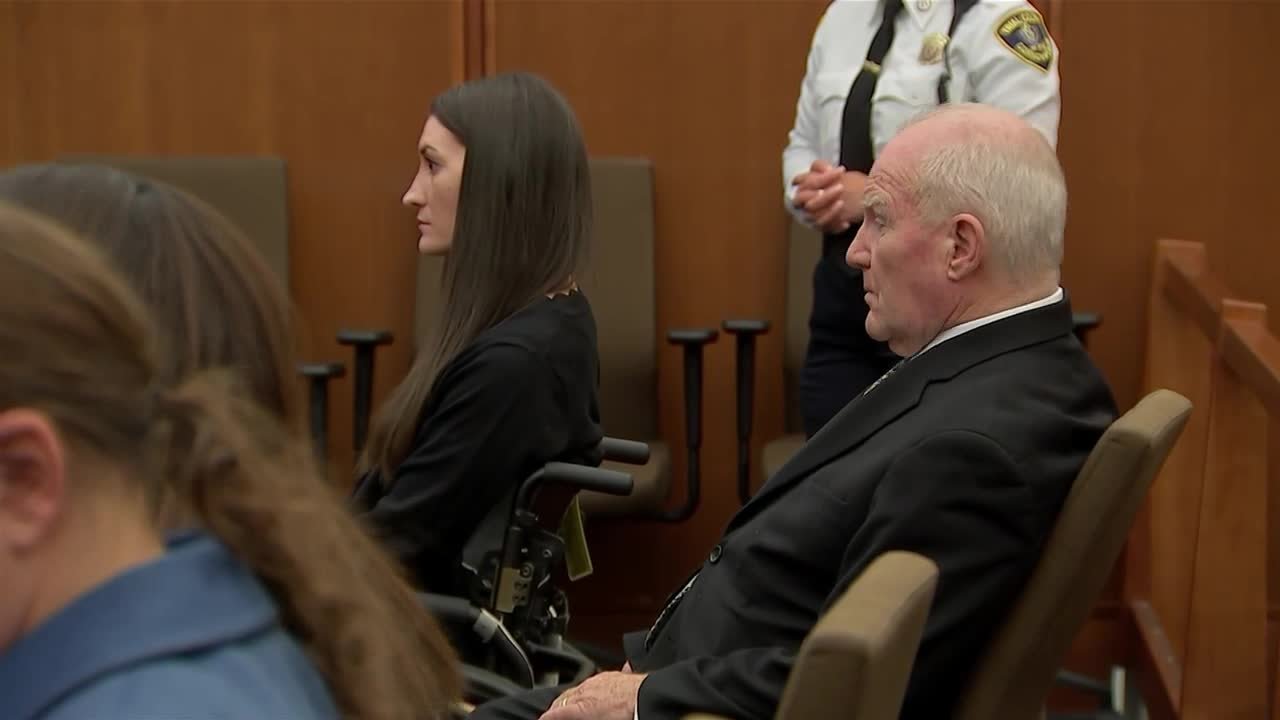
Clancy Trial testimony has focused on an unusual account involving a reported voice during the deaths of three children. A forensic psychologist told the court that Lindsay Clancy described hearing the male voice for only one period. According to testimony, Clancy said the voice appeared during the approximately 18 minutes surrounding the killings. The psychologist described that timing as highly unusual compared with typical experiences involving similar psychiatric symptoms. Prosecutors accuse Clancy of intentionally killing her three children at their Massachusetts home in January 2023. Her defense, however, argues that postpartum psychosis affected her mental state during the incident.
The psychologist, Kirk Heilbrun, testified that Clancy reported hearing the male voice for the first time. He said she described the experience as occurring only during the period when the children died. Furthermore, Heilbrun told jurors that such a brief and isolated experience raised important questions. He explained that the unusual timing could potentially affect how the court evaluates her responsibility. However, prosecutors continue challenging the defense explanation surrounding Clancy’s mental state. The testimony therefore remains an important part of the closely watched proceedings. Meanwhile, other medical experts have also provided testimony about Clancy’s psychological condition.
Prosecutors allege that Clancy used exercise bands to strangle her three children inside their home. The children included five-year-old Cora, three-year-old Dawson, and eight-month-old Callan. Afterward, authorities say Clancy jumped from a second-story window in what appeared to be a suicide attempt. The fall left her paralyzed, according to testimony presented during the proceedings. Clancy does not dispute that she caused the deaths of her children. Instead, her defense focuses on whether her psychiatric condition prevented her from understanding or controlling her actions. Consequently, the case centers heavily on questions surrounding mental responsibility and postpartum psychiatric illness.
Another forensic psychiatrist, Gregory Saathoff, also testified about interviews he conducted with Clancy. He told the court that Clancy described the sequence in which she killed her children. According to his testimony, she said she first killed Dawson, followed by Cora and Callan. Saathoff also discussed Clancy’s account of the reported voice during the incident. Prosecutors questioned him about the fact that the voice allegedly instructed her to kill. However, the reported voice apparently did not provide specific instructions about how to carry out those actions. Saathoff indicated that detail held significance when evaluating the account and Clancy’s mental state.
Heilbrun also testified that Clancy believed her children would suffer if she died without them. According to his testimony, she believed killing the children would keep the family together after death. Those statements have become relevant to the defense’s argument concerning postpartum psychosis. Meanwhile, prosecutors continue presenting evidence intended to challenge the explanation offered by Clancy’s attorneys. The competing interpretations have made psychiatric testimony central to the proceedings. Therefore, jurors must consider testimony from several specialists while evaluating the circumstances surrounding the children’s deaths.
The trial has attracted substantial public attention because of its focus on postpartum mental health. It has also raised broader questions about psychiatric emergencies and criminal responsibility. More than 70 witnesses have appeared during the proceedings, including medical professionals, friends, officers, and Clancy’s former husband. Their testimony has addressed events before, during, and after the children’s deaths. Additionally, expert witnesses have offered differing perspectives about Clancy’s psychological condition and reported experiences. The court must ultimately determine whether the evidence supports the defense’s claims about her mental state. Clancy Trial proceedings continue as jurors examine testimony concerning the reported voice and psychiatric evidence.

