
Trump foreign policy disputes have drawn renewed attention as disagreements with several international allies continue influencing diplomatic relationships. Recent tensions involving Italy, Israel, Ukraine and other partners have highlighted the role personal interactions play in shaping foreign policy decisions.
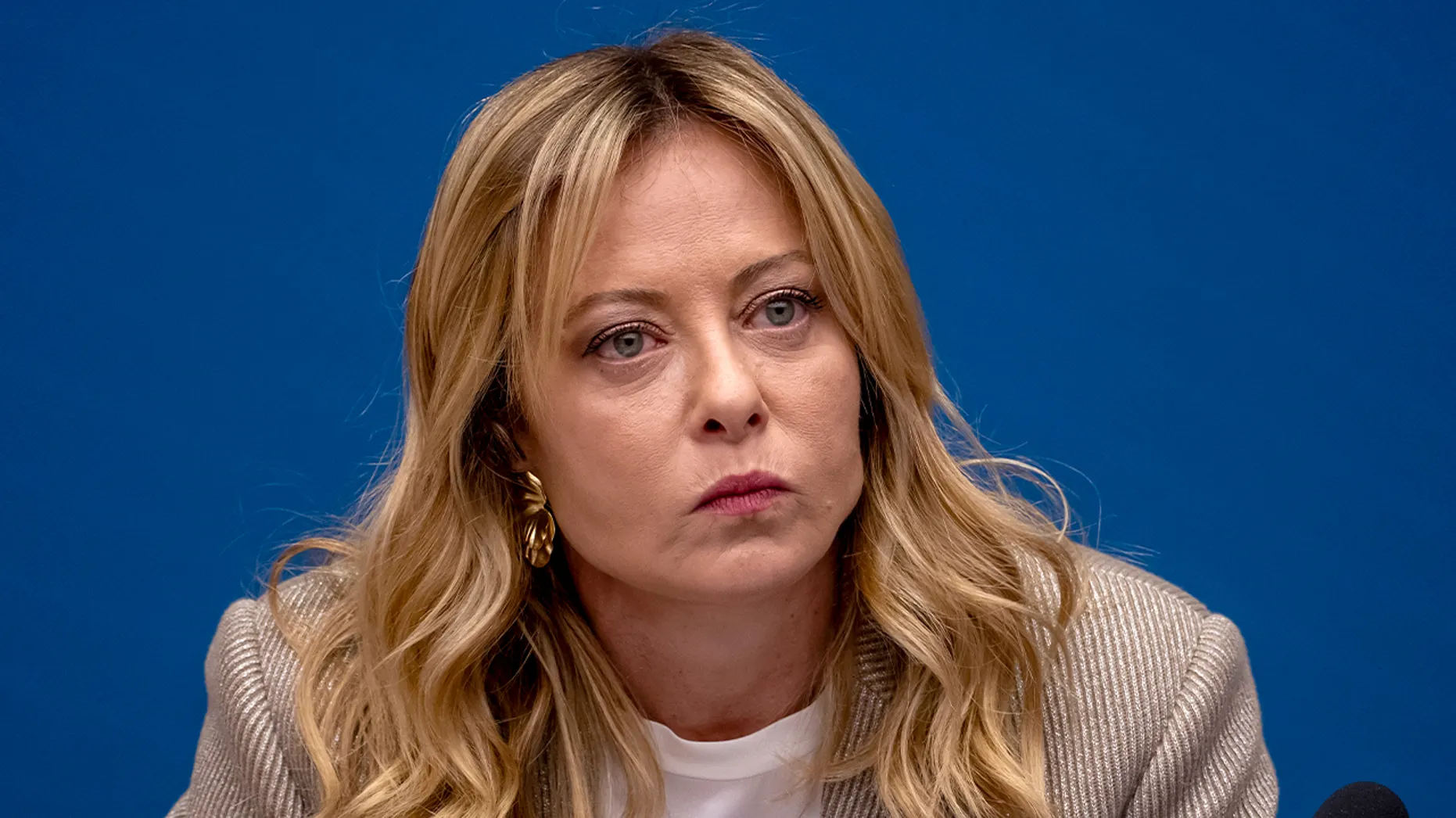
Relations between President Donald Trump and Italian Prime Minister Giorgia Meloni deteriorated after comments Trump made about their interactions. Trump stated that Meloni wanted a photograph with him and claimed she strongly sought the opportunity. Meloni publicly rejected those remarks and described them as entirely fabricated.
The Italian leader expressed surprise at the statements and questioned why such comments were directed toward allied nations. She emphasized that neither she nor Italy had ever pleaded for favors. The disagreement prompted Italy’s foreign minister to cancel a planned visit to the United States.
The dispute emerged as the administration continued defending its memorandum of understanding with Iran. The agreement has generated criticism from political figures across the ideological spectrum who argue it offered excessive concessions.
At the same time, criticism also emerged from Israel. An editorial published in a major Israeli newspaper criticized Trump’s handling of the Iran agreement. The publication’s owner, Miriam Adelson, has long supported Trump and received the Presidential Medal of Freedom in 2018.
The article argued that the agreement represented a significant strategic mistake. It also expressed disappointment with the administration’s approach toward Iran. These reactions added another dimension to ongoing debates surrounding the agreement.
Tensions have also affected relations between Trump and Israeli Prime Minister Benjamin Netanyahu. Trump publicly criticized Netanyahu over continued military operations involving Iran-backed Hezbollah in Lebanon. Vice President JD Vance also publicly expressed concerns regarding Israel’s actions.
According to reports, continued military operations contributed to complications surrounding planned diplomatic meetings involving Iranian officials. As a result, negotiations faced delays and additional diplomatic challenges.
Trump foreign policy disputes have also influenced relationships beyond the Middle East. During a previous White House meeting, Trump and Ukrainian President Volodymyr Zelenskyy engaged in a highly public disagreement. The confrontation led to the cancellation of a planned lunch meeting and heightened tensions between the two leaders.
Despite that clash, both leaders later worked to improve relations. They subsequently met during the G7 summit in France and continued diplomatic engagement.
By contrast, Trump has occasionally transformed adversarial relationships into cooperative ones. New York City Mayor Zohran Mamdani previously exchanged strong criticism with Trump during his campaign. However, after meeting at the White House, both men publicly praised their discussion.
Trump described Mamdani as rational and expressed support for his efforts to improve New York City. Mamdani also spoke positively about the conversation. Later meetings focused on development proposals and other local priorities.
Trump foreign policy disputes also surfaced during discussions involving Greenland. Trump continued advocating the possibility of acquiring the autonomous Danish territory. He additionally threatened tariffs against Denmark and several European countries that opposed the proposal.
Meanwhile, the disagreement with Meloni continued escalating publicly. Trump criticized Italy’s refusal to support certain military logistics efforts. Meloni responded by describing the criticism as senseless and rejected suggestions that her political standing depended on her relationship with the U.S. president.
Political relationships often influence policy decisions and diplomatic negotiations. However, recent events demonstrate how personal interactions can significantly affect international discussions. The latest disagreements involving several allies illustrate the continuing connection between diplomacy and leadership relationships within the current administration.

