
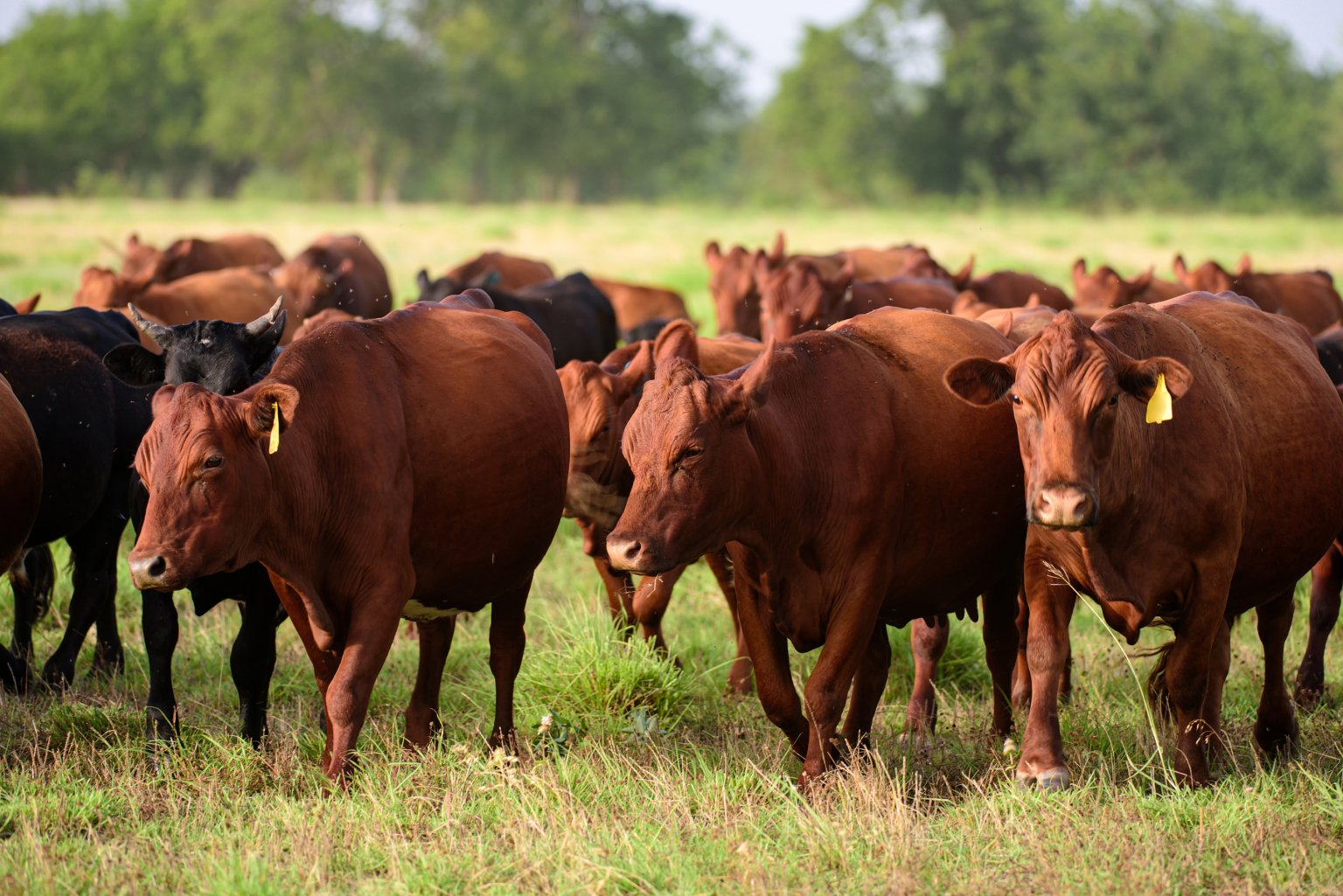
The U.S. cattle shortage continues putting pressure on beef prices as ranchers work to rebuild historically low herd numbers. Industry officials expect meaningful supply improvements could take several years as producers address ongoing challenges.
Government agricultural data shows the country entered 2026 with approximately 86.2 million cattle and calves. That figure represents the smallest national herd recorded since the early 1950s.
The current total also shows a substantial decline compared with 2019 levels. At that time, the United States had approximately 94.7 million cattle and calves across the country.
Therefore, the national herd has declined by more than eight million animals over several years. Rebuilding those numbers requires time because ranchers cannot immediately replace breeding animals lost during earlier herd reductions.
Drought has played an important role in the decline across major cattle-producing regions. Extended periods of dry weather have reduced available grassland, water supplies, and affordable feed for ranching operations.
As conditions worsened, many producers faced difficult decisions about maintaining their herds. Some ranchers sold cattle earlier than planned because available pasture could no longer support existing animals.
Those sales sometimes included breeding cows that would otherwise produce future calves. Consequently, reducing breeding numbers can slow herd recovery even after weather conditions begin improving.
The effects now extend throughout the beef supply chain and into grocery stores. Consumers have faced higher prices as limited cattle supplies restrict the amount of beef available for processing.
Recent retail data shows the price increase clearly across the market. Choice beef reached approximately $10.49 per pound in July 2026, compared with about $8.51 two years earlier.
That represents an increase of roughly 23% during the period. Meanwhile, consumers continue purchasing beef despite higher prices, maintaining demand while supplies remain constrained.
Meat processors have also adjusted their operations because fewer cattle are available for slaughter. Tyson Foods recently announced plans involving several beef processing facilities as the company responds to changing supply conditions.
The company plans to close facilities in Illinois and Utah while pursuing the sale of another operation. Such changes reflect the challenges processors face when cattle supplies remain below historical levels.
However, the current cattle shortage developed over several years rather than appearing suddenly. Weather conditions, production costs, pasture availability, and herd management decisions have all influenced the national supply.
Drought remains particularly important because cattle producers depend heavily on adequate pasture and water. When those resources become scarce, maintaining large herds becomes significantly more expensive and difficult.
Consequently, ranchers may need several favorable seasons before they can substantially expand their breeding herds. Producers must first restore financial stability and rebuild the animals required for future calf production.
The recovery process also depends on cattle reproduction, which naturally limits how quickly supplies can increase. Ranchers cannot simply purchase enough replacement animals to restore the entire national herd immediately.
Instead, producers must retain breeding cows and allow new calves to enter the production cycle. That process creates a longer timeline before additional cattle reach processing facilities and grocery markets.
Industry executives therefore expect beef prices to remain elevated for the foreseeable future. Meaningful improvements could emerge later, but supply recovery will likely happen gradually.
Consumers may consequently continue facing higher beef costs while ranchers rebuild their operations. However, future weather conditions will play an important role in determining how quickly producers can increase herd numbers.
Improved rainfall and stronger pasture conditions could encourage ranchers to retain more cattle for breeding. Conversely, another period of severe drought could delay recovery and keep supplies under pressure.
The situation also demonstrates how agricultural conditions can influence everyday food prices across the economy. Changes that begin on ranches can eventually affect processors, retailers, restaurants, and household budgets.
For now, the cattle shortage remains one of the main factors affecting the U.S. beef market. Producers will need time, favorable conditions, and sustained investment before supplies return toward previous levels.
Ultimately, rebuilding the national herd offers the clearest path toward greater beef availability and potential price relief. Nevertheless, consumers should not expect a rapid turnaround because cattle production requires several years to recover.

