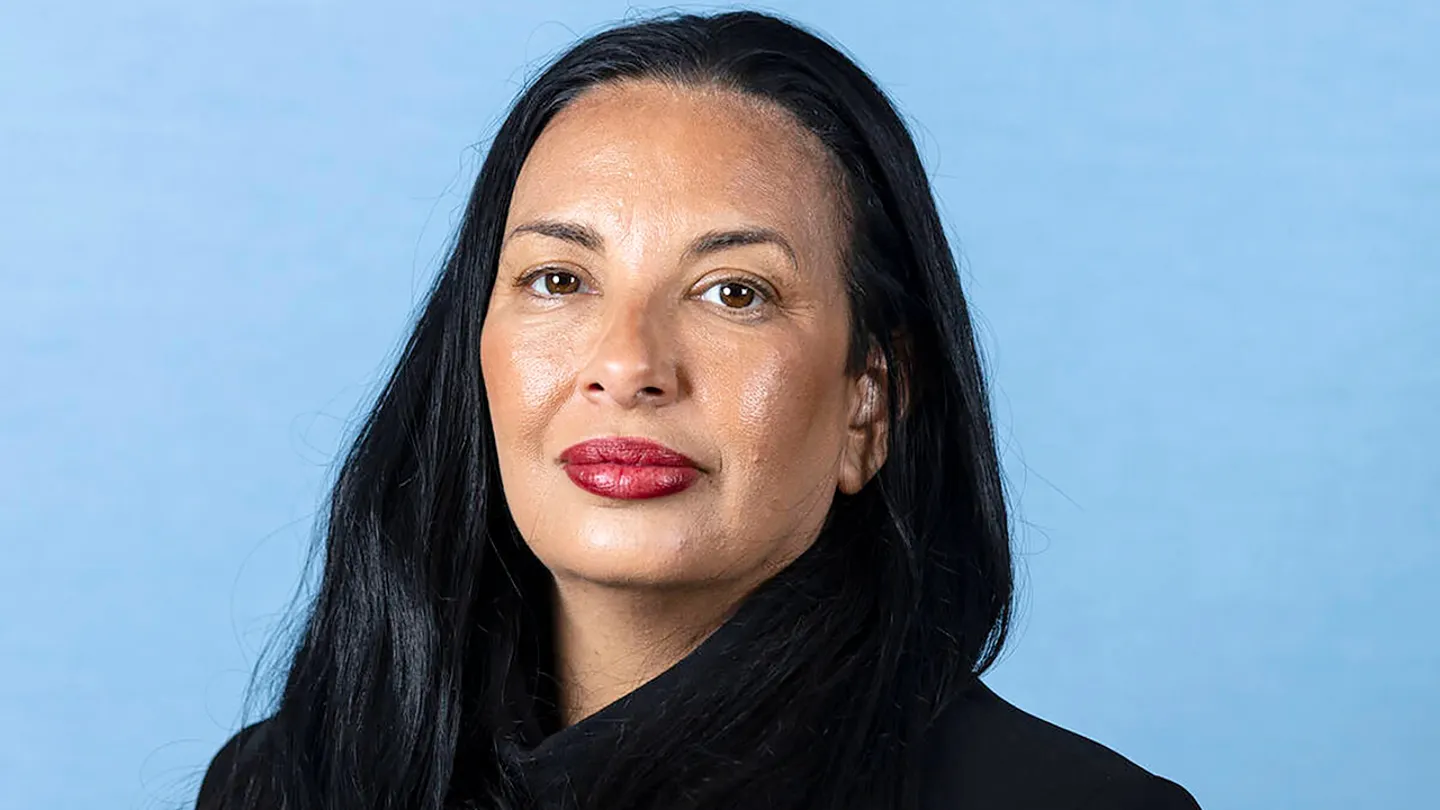
A federal appeals court has rejected the Trump administration’s attempt to keep Sigal Chattah as Nevada’s top federal prosecutor. The Chattah ruling determined that the Justice Department used an improper appointment process after her temporary term ended.
A three-judge panel of the Ninth U.S. Circuit Court of Appeals upheld an earlier decision removing Chattah from authority over federal prosecutions in Nevada. Consequently, she can no longer supervise three criminal cases that prompted challenges from federal public defenders.
Chattah previously served as Nevada’s Republican National Committeewoman before joining the Justice Department. In April 2025, the administration appointed her as interim U.S. attorney for Nevada, with federal law limiting that position to 120 days.
However, as her temporary appointment approached its expiration, the Justice Department pursued another method to keep her leading the office. Then-Attorney General Pam Bondi designated Chattah as the office’s first assistant U.S. attorney shortly before her interim appointment ended.
The department argued that designation allowed Chattah to become acting U.S. attorney under the Federal Vacancies Reform Act. Additionally, Bondi appointed Chattah as a special attorney while prosecutors maintained that delegation authority supported her continued role.
Federal public defenders challenged those arrangements in several unrelated criminal proceedings. They argued that Chattah lacked lawful authority and therefore should not oversee prosecutions involving their clients.
U.S. District Judge David Campbell agreed with the challengers in September 2025. Subsequently, the Trump administration appealed that decision to the Ninth Circuit.
The appeals court ultimately rejected the Justice Department’s interpretation of federal vacancy rules. Specifically, the judges determined that a first assistant could automatically become acting U.S. attorney only when occupying that position before the vacancy occurred.
The judges also rejected the administration’s alternative argument involving delegated authority. According to the panel, the attorney general could not effectively create an acting U.S. attorney simply by transferring the office’s responsibilities.
Therefore, the court concluded that Chattah could not legally continue exercising the powers associated with Nevada’s top federal prosecutor.
The unanimous panel included U.S. Circuit Judge Eric Miller, a Trump appointee, who wrote the decision. U.S. District Judge Stanley Blumenfeld Jr., another Trump appointee, also participated alongside U.S. Circuit Judge Sidney Thomas.
Importantly, the decision concerns federal appointment requirements rather than Chattah’s political background. Instead, the judges focused on whether the administration followed federal procedures when extending her authority.
The Chattah ruling represents another legal setback involving temporary federal prosecutors appointed during Trump’s administration. Earlier, another federal appeals court rejected the administration’s effort to keep former Trump attorney Alina Habba serving as New Jersey’s acting U.S. attorney.
Meanwhile, the Nevada dispute also highlights broader disagreements surrounding Senate confirmation requirements for U.S. attorney positions. The Senate Judiciary Committee’s traditional blue-slip practice can give home-state senators significant influence over prosecutorial nominations.
Trump ultimately did not nominate Chattah for Nevada’s permanent U.S. attorney position. Instead, the president nominated George Kelesis for the position in February 2026.
The court’s decision now limits Chattah’s authority while raising additional questions about how administrations handle temporary vacancies. More broadly, the case underscores the legal boundaries surrounding executive appointments when Senate confirmation remains necessary.
The Chattah ruling therefore centers on federal appointment law rather than the outcome of any individual prosecution.