
Gritt Robots are transforming solar construction after the startup secured $34 million to advance artificial intelligence systems. The funding will help the company expand automation for solar panel installation projects. Growing demand for renewable energy continues creating opportunities for smarter construction technology.
The company officially emerged from stealth while announcing a $26 million Series A funding round. Obvious Ventures led the investment. Union Square Ventures and Active Impact Investment also joined the round. Earlier seed funding increased the company’s total investment to $34 million.
Chief Executive Officer Puneet Puri and Chief Technology Officer Vishal Dugar founded the startup after studying robotics at Carnegie Mellon University. They believe modern AI models can finally operate successfully in changing outdoor construction environments. As a result, they expect robots to support infrastructure projects more efficiently than before.
Construction companies continue facing labor shortages as renewable energy projects increase worldwide. Therefore, Gritt designed intelligent robotic systems that work alongside experienced construction crews. The technology focuses on improving productivity instead of replacing skilled workers.
Rather than building custom robots, the company uses commercially available industrial equipment. It combines those machines with proprietary AI software and advanced machine vision technology. This strategy reduces costs while allowing faster deployment across multiple construction sites.
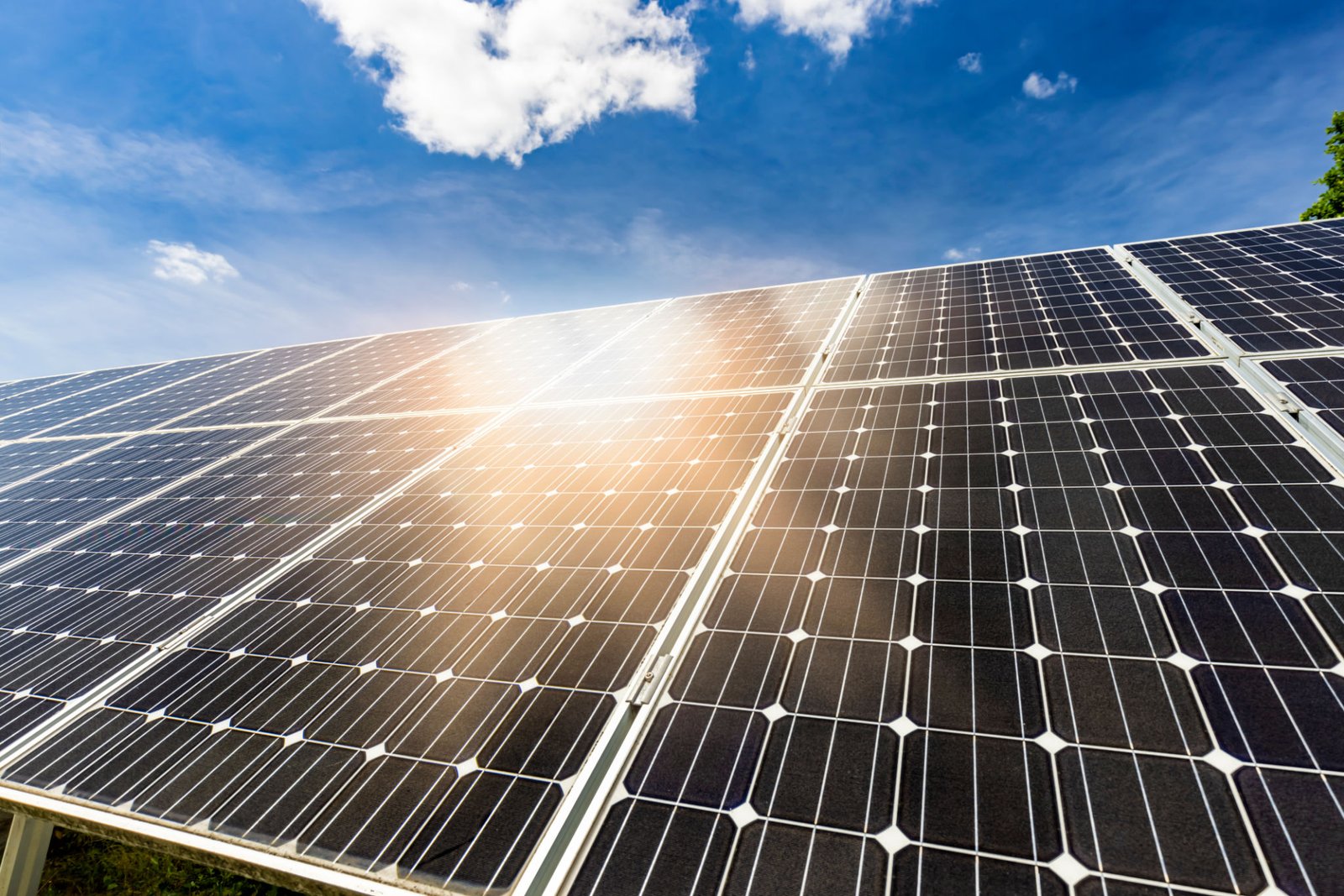
The first commercial application handles large glass solar panels during installation. Robots unload heavy panels and transport them toward mounting structures. Next, the systems position every panel with sub-millimeter accuracy before workers secure each panel into place.
Company leaders say this process significantly improves daily productivity. Workers still complete important installation tasks while robots handle demanding lifting and positioning work. Consequently, crews can complete projects more efficiently without increasing physical strain.
According to Puri, a traditional eight-person crew usually installs about 800 panels each day. However, crews using the company’s robotic systems can reportedly install between 3,000 and 4,000 panels daily. That increase demonstrates the technology’s potential across large renewable energy projects.
The startup already secured contracts supporting the installation of approximately 2.8 gigawatts of solar panels. Those projects will take place during the next 18 months. Additionally, company representatives say three of the ten largest U.S. power construction firms already use their technology.
Management also plans rapid expansion during the coming months. The company expects to operate 48 robotic systems within six months. Rising customer demand continues supporting those growth plans.
Investors believe the company’s software-first strategy offers important advantages. Instead of developing expensive hardware, Gritt integrates existing industrial machines with intelligent AI systems. That approach could improve scalability while controlling development costs.
Industry supporters also praised the founders’ robotics expertise and construction knowledge. They believe practical engineering experience strengthens the company’s long-term growth strategy. Furthermore, they expect intelligent automation to solve difficult labor challenges across construction projects.
Remote construction sites may especially benefit from the technology because recruiting workers often proves difficult. Robots also reduce repeated heavy lifting during daily operations. Consequently, construction companies could lower workplace injuries while improving overall efficiency.
The company competes with several businesses developing robotic solar installation systems. However, many competitors build proprietary hardware for their platforms. Gritt instead focuses on intelligent software that works with commercially available equipment.
Looking ahead, Gritt Robots will expand beyond positioning solar panels. Future capabilities may include fastening panels, drilling structural posts, assembling support racks, and tying reinforcing steel. Those additions would increase automation across construction projects.
The founders also envision intelligent monitoring tools for construction sites. Future systems could detect safety risks and identify missing inventory. They could also alert crews before weather conditions damage valuable equipment or unfinished work.
Artificial intelligence has accelerated software development during recent years. Engineers now train new construction tasks much faster than before. Similar capabilities that previously required weeks now require only days using the same AI framework.
Ultimately, Gritt Robots represent the company’s broader vision for intelligent construction automation. By combining robotics with advanced artificial intelligence, the startup hopes to improve productivity, reduce physical strain, and support faster infrastructure development across multiple industries.