
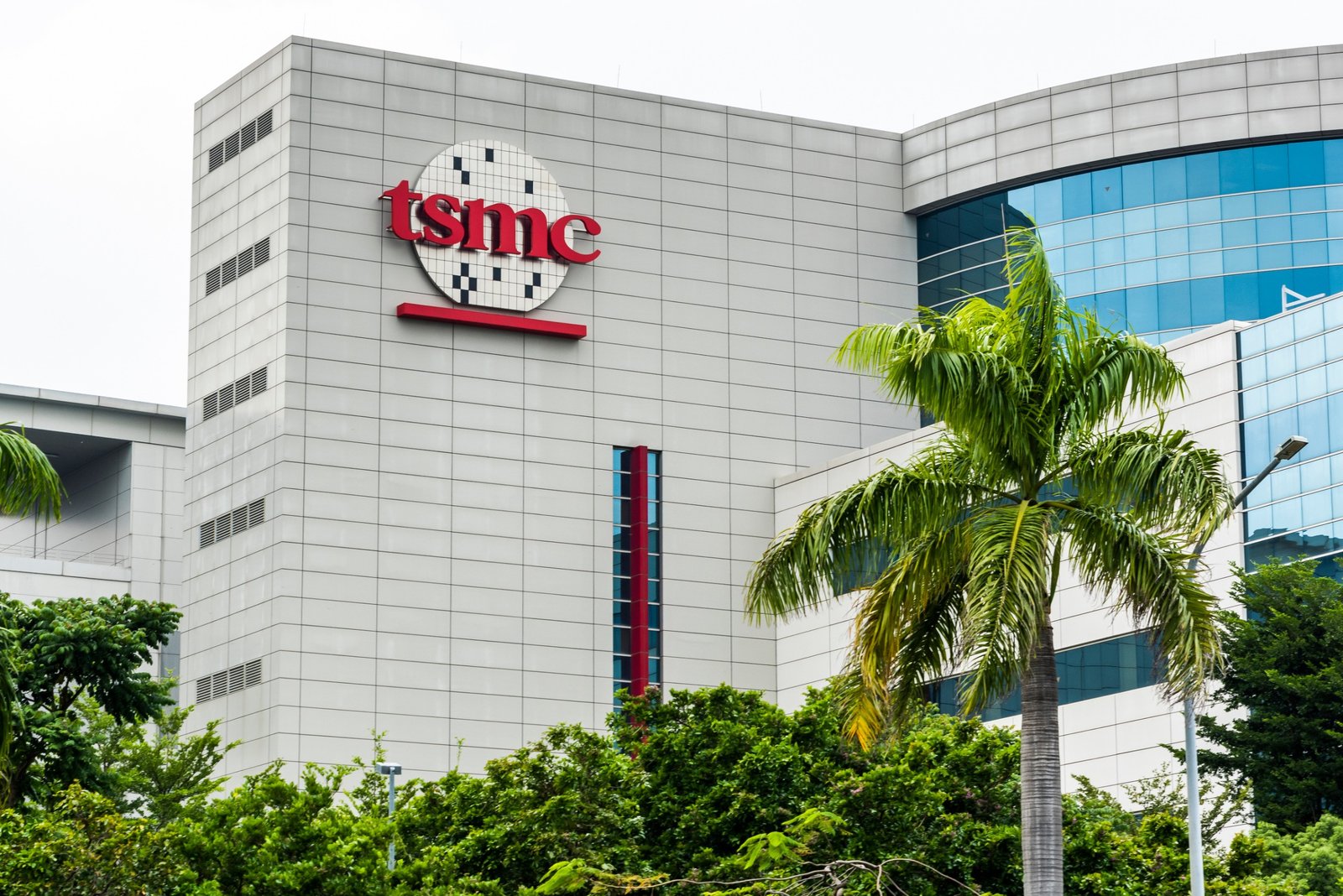
Arizona Chip Expansion continues gaining momentum as TSMC accelerates construction and investment to meet growing artificial intelligence demand. Company executives believe the long-term AI market will support stronger production capacity and sustainable business growth across several advanced semiconductor technologies.
TSMC recently confirmed that it will increase investment in its Arizona manufacturing operations by another $100 billion. This commitment raises the company’s total planned investment in the state to approximately $265 billion as expansion efforts continue.
Company leaders explained that strong customer demand and supportive government initiatives encouraged the decision to increase spending. They also expect artificial intelligence applications to generate steady demand for advanced semiconductor production over the coming years.
Chief Financial Officer Wendell Huang said the company sees a long-term growth opportunity driven by expanding AI adoption. Therefore, TSMC intends to increase manufacturing capacity instead of allowing competitors to capture additional market demand.
The company also raised its projected capital spending for the current year to between $60 billion and $64 billion. That increase reflects management’s confidence in sustained demand for advanced chips across several technology sectors.
Meanwhile, TSMC continues optimizing production at its most advanced manufacturing facilities to support increasing customer requirements. The company has accelerated the transition from 5-nanometer production toward newer 3-nanometer technology across selected manufacturing lines.
Smaller semiconductor manufacturing processes allow engineers to place more transistors onto each chip. Consequently, these designs deliver higher performance while improving energy efficiency for modern computing applications.
TSMC also confirmed that its first Arizona manufacturing phase already operates using 4-nanometer production technology. Company executives expect production output from the facility to increase steadily throughout the coming quarters.
Additionally, Huang described the company’s 2-nanometer process as an important source of future revenue growth. After generating initial revenue during the second quarter, the technology should contribute more significantly during the upcoming quarter.
Although manufacturing facilities in the United States cost substantially more than comparable plants in Taiwan, TSMC remains committed to expansion. Company leaders believe larger operations will strengthen America’s semiconductor manufacturing ecosystem despite higher construction expenses.
The latest investment will support additional wafer fabrication plants as well as advanced chip packaging facilities. Together, these projects will expand domestic semiconductor production while improving supply chain capabilities for future technologies.
Despite recent fluctuations in the company’s share price, executives continue focusing on long-term operational performance rather than short-term market movements. Management believes strong business fundamentals remain the most reliable driver of sustainable shareholder value.
TSMC also acknowledged that suppliers continue facing higher component costs across portions of the semiconductor industry. However, the company expects limited financial pressure because it specializes in premium manufacturing technologies serving advanced customers.
Regarding international operations, TSMC confirmed that it continues following all applicable export regulations while serving customers across different markets. Chinese customers currently account for approximately eight percent of the company’s total annual revenue.
Furthermore, TSMC continues exploring future opportunities beyond traditional semiconductor manufacturing through strategic technology partnerships. Its collaboration with Sony on image sensor development reflects broader plans to support emerging physical AI applications.
Looking ahead, Arizona Chip Expansion will remain central to TSMC’s long-term manufacturing strategy as artificial intelligence demand continues rising. Company executives expect additional production capacity to strengthen customer relationships while supporting future technological innovation and global semiconductor growth.