
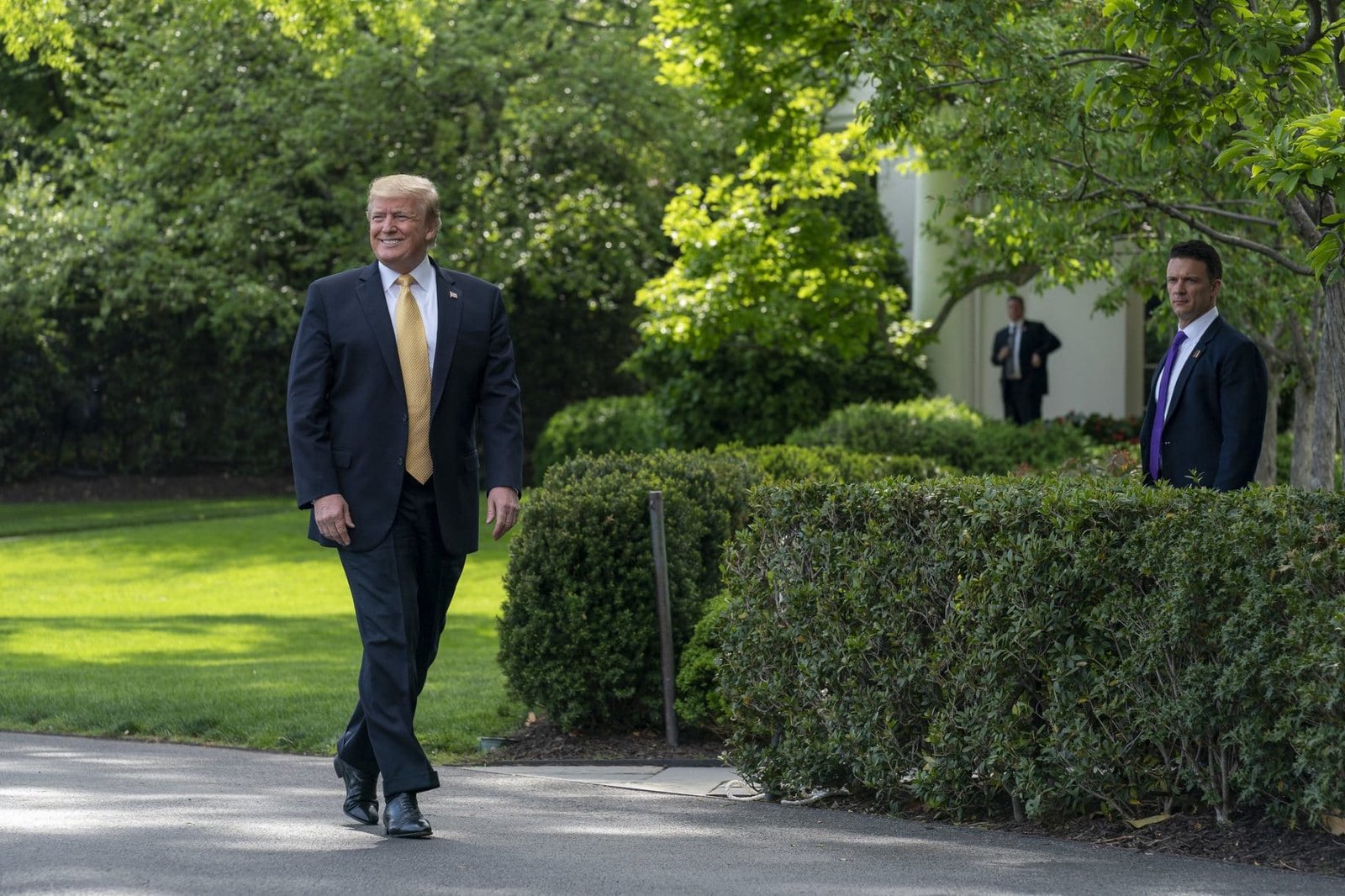
A small business policy discussion took center stage as Trump hosted entrepreneurs at the White House during a national business celebration. The small business policy event brought together business owners to discuss economic conditions and federal policy direction. Additionally, the meeting aligned with National Small Business Week, which highlights the role of entrepreneurs in the economy.
Trump addressed attendees and described small businesses as a major force within the national economy. He emphasized that combined small business activity represents a large share of overall economic output across the country. Furthermore, he praised entrepreneurs for driving job creation, innovation, and local community development.
Small business policy initiatives featured prominently as Trump outlined recent tax and regulatory changes. He referenced deductions that allow business owners to reduce taxable income under current federal rules. Additionally, he explained depreciation provisions that enable companies to recover investment costs more quickly.
The president also discussed estate tax adjustments that affect family-owned businesses and long-term planning decisions. He stated that updated thresholds help families transfer businesses across generations with fewer financial barriers. Moreover, he linked these changes to broader efforts aimed at strengthening economic stability.
Small business policy reforms also include regulatory reductions introduced during the current administration. Trump stated that federal agencies removed multiple regulations for each new rule introduced. Consequently, he argued that businesses now operate with fewer compliance burdens than in previous years.
He also pointed to changes in environmental and workplace regulations as part of the broader reform effort. However, he maintained that these adjustments balance economic growth with necessary safety considerations. Additionally, he said streamlined rules improve efficiency for companies operating in competitive markets.
Tariff policy also played a role in the discussion during the White House event with business leaders. Trump explained that trade measures aim to protect domestic producers from foreign competition in certain industries. Meanwhile, officials noted that many importers have applied for tariff-related relief programs.
The small business policy remains a key theme in the administration’s broader economic strategy and messaging. Supporters argue that tax reductions and deregulation encourage investment and support job creation nationwide. However, critics often raise concerns about long-term effects on regulation and industry oversight.
The White House event occurred during National Small Business Week, which recognizes contributions from entrepreneurs across the country. Attendees shared experiences about operating businesses under current economic policies and market conditions. Therefore, the gathering provided an opportunity for direct engagement between officials and business owners.
Trump concluded his remarks by reaffirming support for strengthening small business growth across the United States. He encouraged continued investment and emphasized entrepreneurship as a key driver of economic progress. Overall, the discussion focused on policy direction and the role of small businesses in the national economy.

