
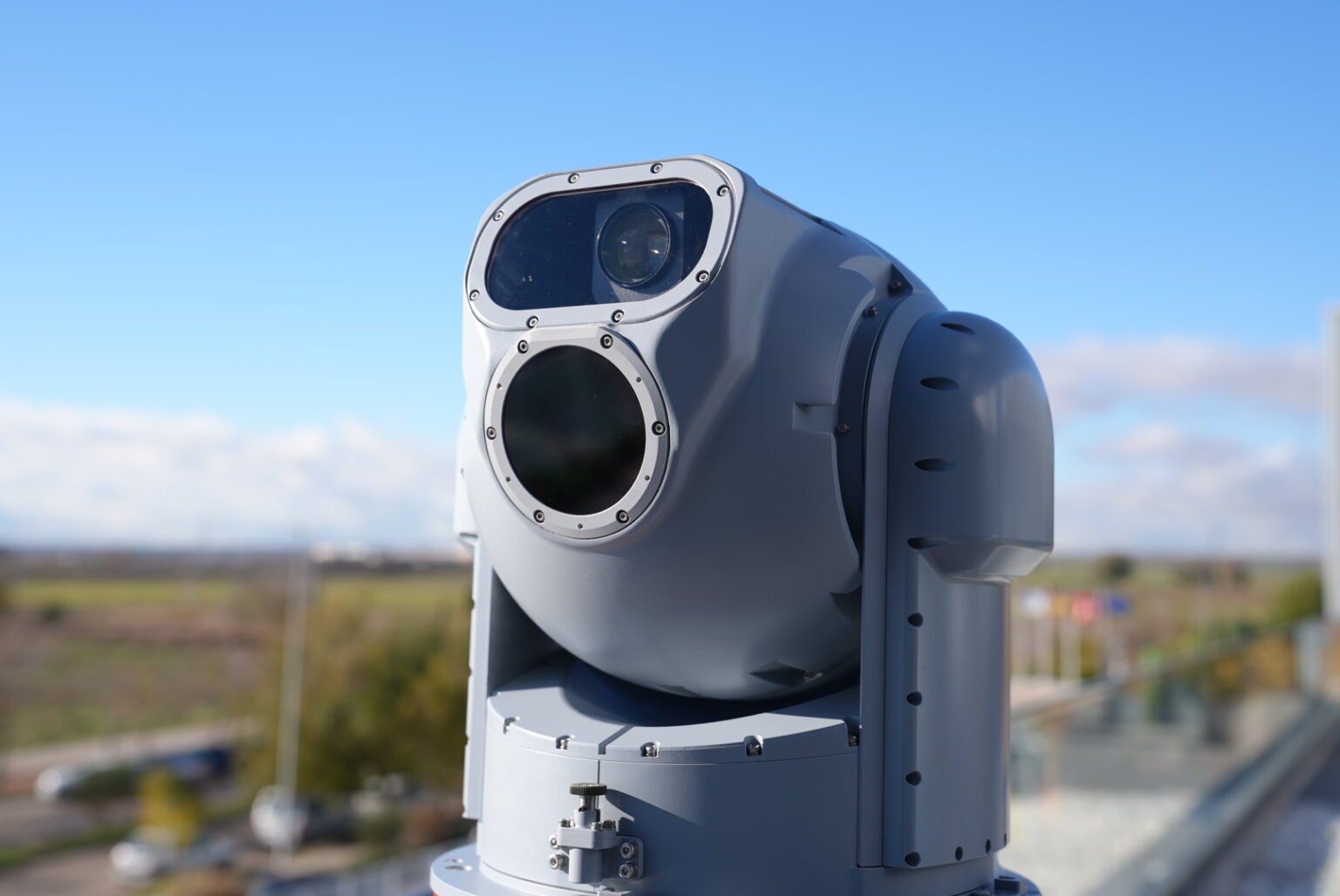
Wildfire AI system expands across the Western United States as agencies adopt new early detection tools to fight increasing wildfire risks. The wildfire AI system helps identify smoke early and alerts human analysts before fires grow into large disasters. Officials say this approach improves response speed and supports firefighting efforts in remote areas.
In Arizona, artificial intelligence detected early smoke signs through a forest camera system during routine monitoring. Human analysts reviewed the alert and confirmed a wildfire before it expanded beyond a small area. As a result, firefighters responded quickly and contained the blaze before it caused major damage.
The wildfire AI system now operates across multiple western states that face growing wildfire threats due to heat and drought. Utilities and fire agencies install hundreds of cameras across forests, mountains, and rural regions for continuous surveillance. Moreover, officials expand these networks to improve detection speed and reduce reliance on emergency phone calls.
Arizona Public Service uses dozens of AI-enabled cameras and plans further expansion before the end of the year. Colorado utilities also operate more than one hundred cameras across service areas to monitor fire risks. Therefore, agencies strengthen early warning systems to protect communities, infrastructure, and natural environments.
The wildfire AI system combines camera feeds, satellite data, and machine learning tools to identify smoke patterns accurately. Human experts still verify alerts to reduce false positives and improve system reliability over time. Additionally, analysts train algorithms using real wildfire data to enhance future detection performance.
Fire officials report that AI systems often detect wildfires faster than traditional emergency 911 calls in many cases. This faster detection allows crews to deploy aircraft and ground teams before fires spread widely. Consequently, early response helps reduce damage and lower wildfire containment costs significantly.
Technology companies report increased adoption of wildfire detection systems as fire seasons become more severe globally. They explain that climate conditions contribute to hotter and faster spreading wildfires in vulnerable regions. Therefore, demand increases for advanced monitoring tools that provide continuous alerts and rapid response support.
The wildfire AI system also helps map fire spread and predict smoke movement across affected regions. Researchers develop tools that assist authorities in planning evacuations and protecting communities more effectively. Furthermore, future systems may include air quality monitoring and predictive modeling for improved safety.
However, experts warn that technology cannot fully replace human judgment in wildfire response operations. Firefighters still decide tactics based on weather, terrain, and real-time field conditions. In addition, high costs and occasional false alarms remain challenges for wider adoption.
Despite limitations, officials describe AI as a valuable addition to modern wildfire response strategies. They expect continued expansion of monitoring systems as climate risks continue to rise. Ultimately, the wildfire AI system represents a growing shift toward technology-driven disaster management.