
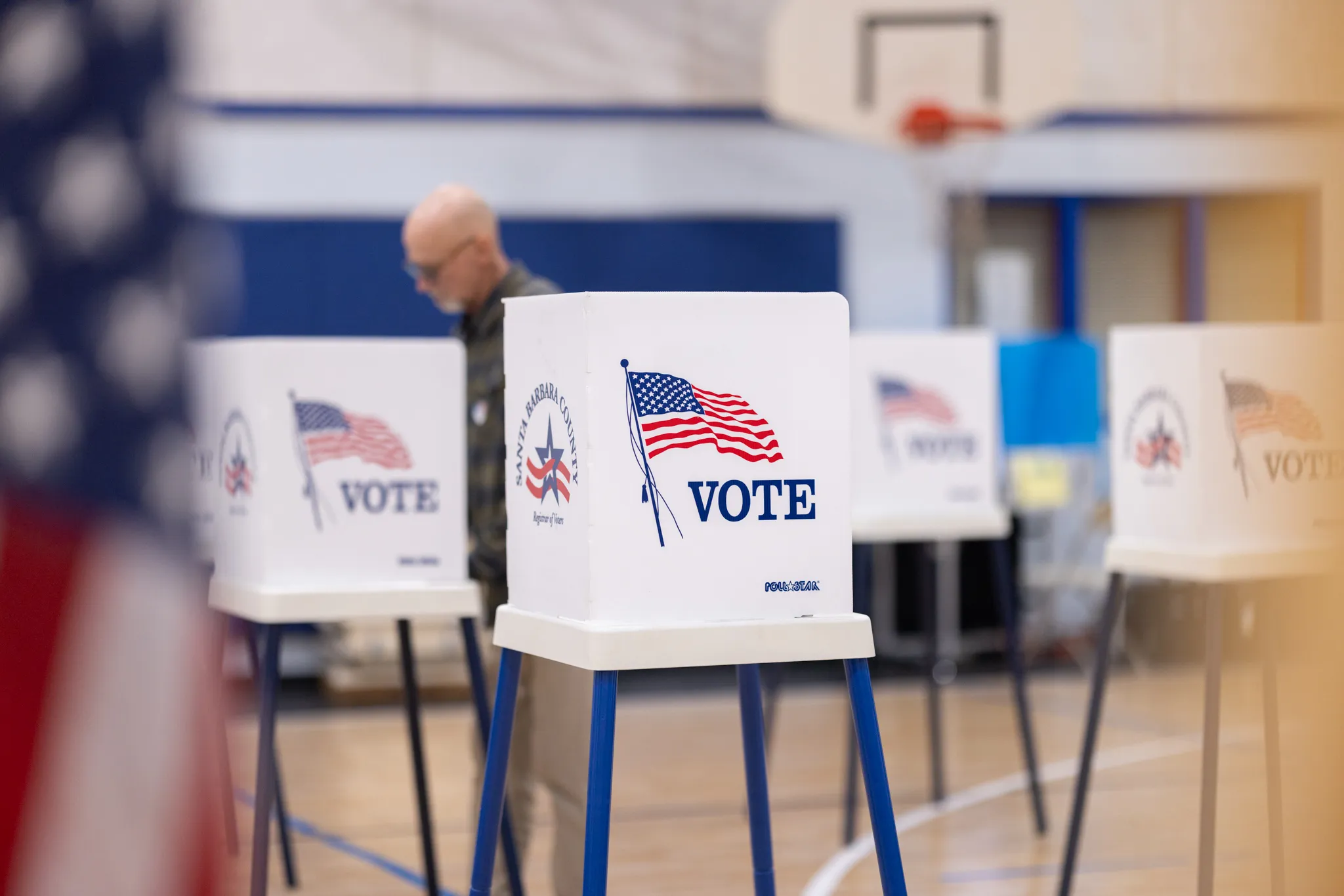
Michigan Senate control remained with Democrats after a critical special election victory Tuesday, closely watched. Michigan Senate control shaped political momentum and offered early signals for the upcoming national midterm elections. Chedrick Greene, a firefighter and Marine veteran, secured the seat, defeating Republican Jason Tunney decisively.
The contest centered in Michigan’s 35th Senate District, including Saginaw, Bay City, and nearby communities. Control of the chamber depended on this race because Democrats held a narrow one-seat majority. Greene addressed supporters, emphasizing his long service and promising continued advocacy in Lansing for constituents.
Meanwhile, Tunney conceded defeat, acknowledging shortcomings yet pledging another campaign during the upcoming November election. A Libertarian candidate trailed significantly and did not influence the overall outcome of the election. The seat had remained vacant since early 2025, leaving residents without representation for many months.
Observers closely monitored this election as a barometer for voter sentiment heading into competitive midterms. The district reflects broader Midwestern trends, combining urban centers with surrounding conservative rural regions nearby. Representative Kristen McDonald Rivet described the district as a microcosm mirroring national political dynamics today.
She argued results here could foreshadow how parties perform statewide and nationally in November contests. Governor Gretchen Whitmer faces term limits, increasing stakes for legislative control before her tenure concludes. Democrats can advance policy priorities despite Republican leadership in the House following this election outcome.
Republicans criticized the timing, arguing delays left constituents unrepresented for nearly five hundred days overall. Had Republicans won the seat, the chamber would have been tied, complicating Democratic legislative efforts significantly. Voters like John Hall cited economic pressures, including rising fuel costs affecting household budgets, recently.
Campaign spending and high-profile visits from national figures also shaped the race dynamics considerably statewide. Strategists cautioned against overinterpreting results, noting unique factors and heavy investment influencing voter turnout patterns. Despite Republican strength in recent presidential voting, the district remains competitive with shifting political alliances.
Previous elections showed narrow margins, highlighting how small changes in turnout can alter outcomes dramatically. Michigan Senate control will again face voters in November when the seat appears on ballots. The result ultimately underscores the importance of local races in shaping broader national political trajectories.