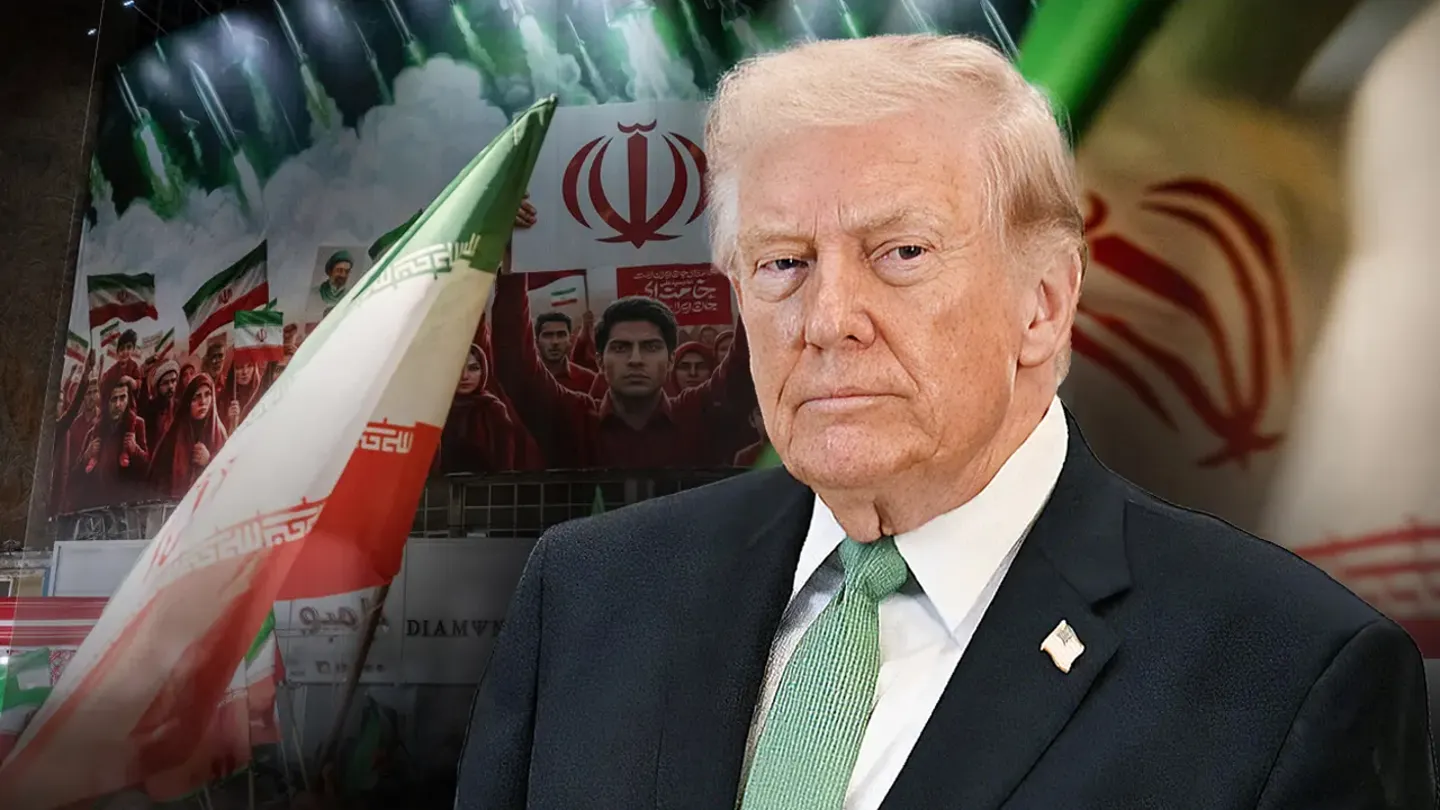
Economic pressure against Iran is intensifying as President Donald Trump warns other nations against supporting Tehran. Trump announced a major new campaign Wednesday and threatened severe financial consequences for countries providing assistance. The warning specifically targeted governments, financial institutions, businesses, airports, and other entities helping Iran maintain economic activity. Consequently, Washington is seeking to expand pressure beyond Iran by discouraging international partners from maintaining economic links.
Trump described the initiative as an unprecedented economic operation designed to isolate Iran internationally. He also characterized the campaign as an “economic D-Day,” signaling a significant escalation in Washington’s pressure strategy. Furthermore, the president warned that countries assisting Tehran could face substantial consequences from the United States. His announcement focused particularly on financial and commercial channels that could help Iran bypass restrictions.
According to Trump’s statement, Washington wants countries to prevent several mechanisms from supporting Iran’s economy. Those mechanisms include oil-smuggling operations, financial transfers, exchange houses, shipping registrations, and companies allegedly operating as fronts. Therefore, the administration appears focused on limiting Tehran’s ability to generate revenue through alternative financial networks. At the same time, Trump called on U.S. allies to cooperate with Washington’s effort to isolate Iran.
The president also claimed that Iran’s military capabilities have suffered significant damage during the ongoing conflict. He said Iranian naval and air forces had sustained major losses during the fighting. Additionally, Trump claimed that Iranian production facilities had suffered extensive destruction from military operations. He further described Iran’s currency and overall economic position as extremely weak.
However, Tehran continues to resist Washington’s demands despite the mounting economic and military pressure. Iranian officials have repeatedly criticized American sanctions and accused Washington of relying on economic measures. Iranian Foreign Ministry spokesman Esmail Baghaei previously characterized sanctions as a recurring response when diplomatic efforts fail. Meanwhile, Iranian leaders have warned neighboring Gulf countries against supporting American military operations.
The warnings have created additional pressure across the Gulf region as countries attempt managing regional security concerns. The United Arab Emirates has taken steps to distance itself economically from Iran amid escalating tensions. Emirati authorities cited Iranian military actions and missile attacks when announcing the decision. Consequently, the regional economic consequences of the conflict could extend beyond Washington and Tehran.
Iran has also relied on regional partners and allied groups during the conflict with the United States. Historically, Tehran has maintained close strategic relationships with both China and Russia. Nevertheless, Washington’s latest measures could increase pressure on countries and companies maintaining commercial connections with Iran. Economic pressure could therefore become an increasingly important component of the broader confrontation.
The Strait of Hormuz remains another major source of tension between Iran and the United States. The strategically important waterway handles a substantial share of global energy shipments. Consequently, disruptions there could affect oil markets, shipping costs, and energy security well beyond the Middle East. Both Washington and Tehran have repeatedly linked the waterway to broader negotiations surrounding the conflict.
Trump has also issued increasingly strong warnings concerning countries involved in efforts surrounding the strait. Earlier this week, he threatened Oman over concerns that its position could obstruct efforts to reopen maritime traffic. At the same time, Trump suggested that Washington could eventually resume discussions with Tehran. However, he indicated that alternative energy sources could reduce the strait’s previous importance.
The latest announcement therefore combines financial restrictions with broader efforts targeting Iran’s international economic connections. Rather than focusing exclusively on Tehran, Washington is warning third countries against maintaining channels that could support Iran. This approach could place additional pressure on governments balancing relationships with both Washington and Tehran. Nevertheless, the consequences for international businesses and financial institutions remain uncertain.
Economic pressure now represents a central element of Washington’s strategy toward Iran. The administration appears determined to restrict Tehran’s access to revenue, international finance, and commercial networks. Meanwhile, Iranian officials continue rejecting American demands while warning neighboring states against deeper involvement. As tensions continue, the effectiveness of Washington’s strategy will depend partly on whether other countries follow its warnings.
For now, Trump is demanding broader international cooperation in isolating Iran economically. His administration is also seeking to prevent financial and commercial networks from providing Tehran with alternatives. Meanwhile, regional governments face growing pressure as military tensions continue across the Gulf. The coming weeks could determine whether the campaign produces negotiations, further escalation, or additional economic disruption.