The Ohio governor’s race defines a high-stakes political contest as voters prepare for major statewide elections. In addition, the Ohio governor’s race signals broader shifts across congressional and Senate primaries throughout the state. As a result, both parties focus heavily on turnout and campaign strategy across Ohio districts.
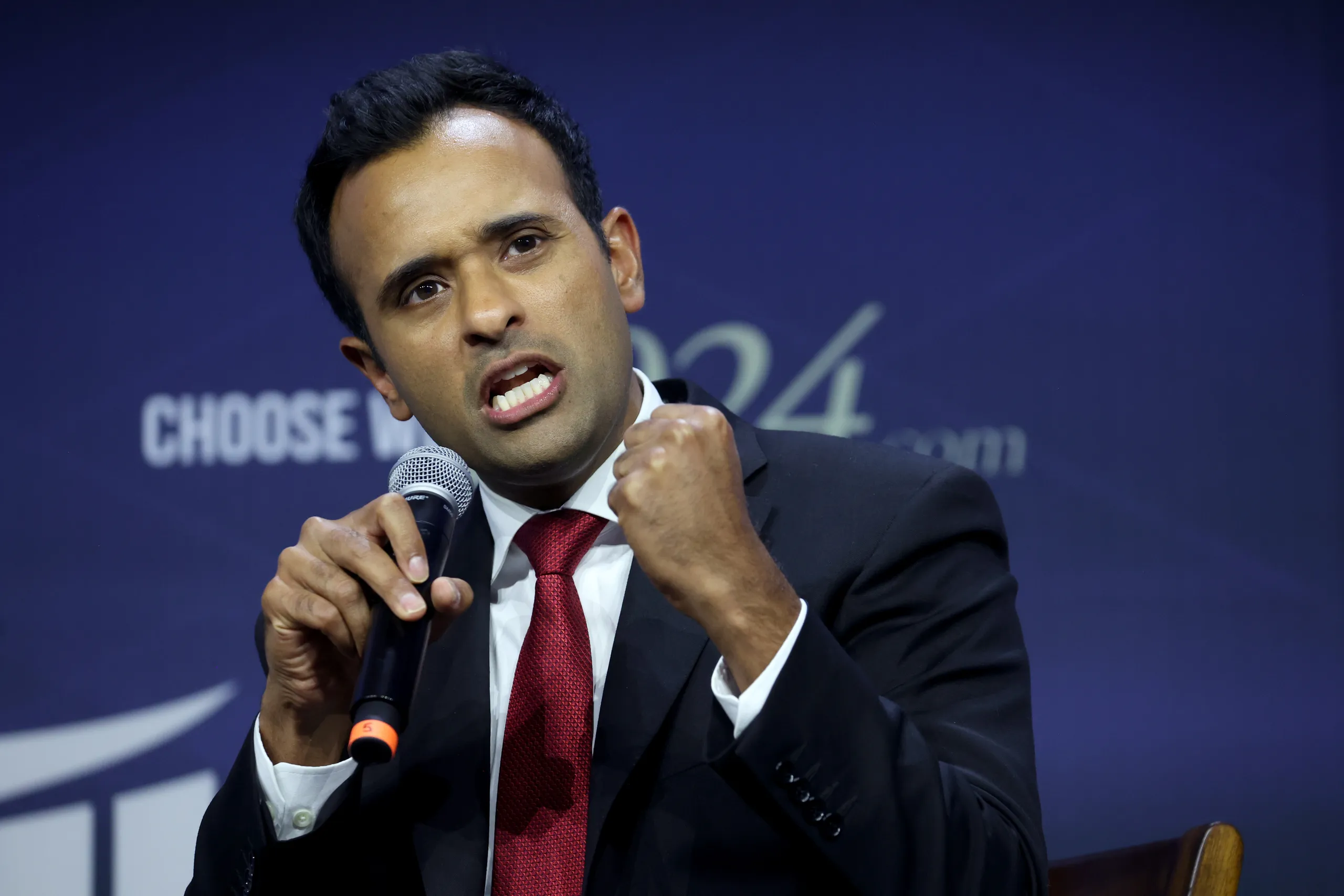
Vivek Ramaswamy enters the general election after securing Republican support in a crowded primary field. Meanwhile, Democratic candidate Dr Amy Acton advances without opposition and prepares for the fall campaign. The Ohio governor’s race now shifts toward a costly and competitive general election between the two candidates.
Ramaswamy builds his campaign around economic messaging and alignment with national Republican leadership figures. In contrast, Acton highlights her public health experience and visibility during the COVID nineteen response. Therefore, both candidates present sharply different visions for leadership and state governance priorities moving forward.
The Ohio governor’s race follows a period of political change that includes term limits across statewide offices. Additionally, shifting voter sentiment and national political debates influence campaign strategies on both sides. Consequently, Ohio becomes a central focus in discussions about broader national election trends this year.
Ramaswamy previously gained national attention during his presidential campaign before entering Ohio state politics. Moreover, he received backing from Republican leaders, which helped consolidate support during the primary contest. His campaign now focuses on economic concerns and policy debates linked to recent state and national issues.
Acton became widely known during early pandemic briefings alongside state leadership and public health officials. However, her role during emergency policies continues to generate both strong support and criticism statewide. As a result, her campaign emphasizes healthcare leadership and crisis management experience for voters.
The Ohio governor’s race also connects with competitive Senate and House contests across the state. Additionally, both parties invest heavily in advertising and voter outreach ahead of the November elections. Therefore, Ohio remains a key battleground that influences national political balance in upcoming election cycles.
Republican and Democratic candidates also compete in several congressional districts affected by redistricting changes. Meanwhile, campaign organizations adjust strategies to respond to shifting district boundaries and voter demographics. Consequently, redistricting plays a major role in shaping electoral competition across Ohio.
Voter turnout remains a central factor as early voting begins under updated election regulations statewide. Furthermore, campaigns closely monitor participation trends to refine outreach efforts and messaging strategies. The Ohio governor’s race continues to draw national attention because of its political and financial significance.
Analysts expect high campaign spending as both candidates prepare for a competitive general election. Additionally, political observers view Ohio as an important indicator for national electoral outcomes. Ultimately, the Ohio governor’s race shapes expectations for party performance heading into the midterm elections.