
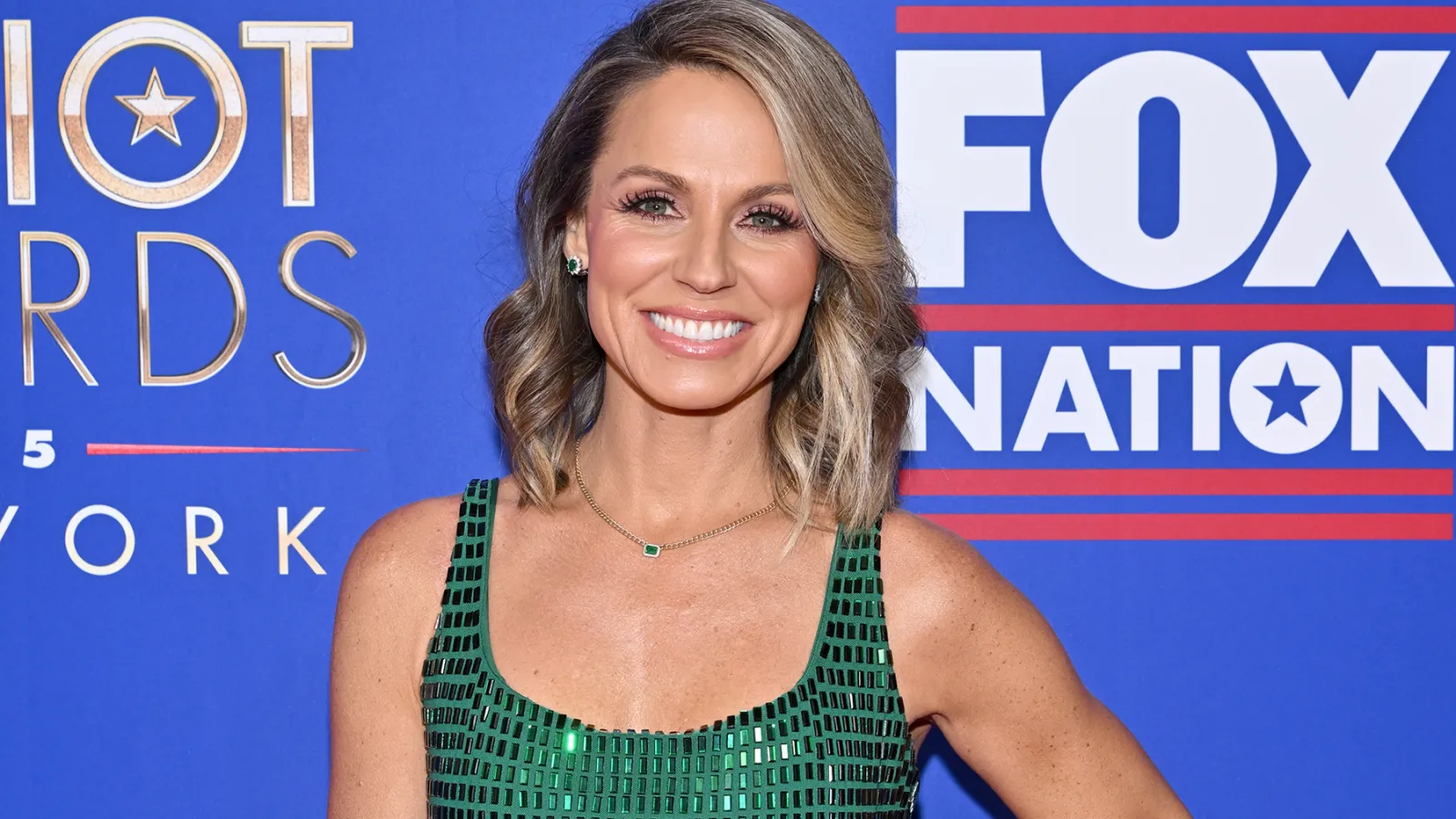
Nicole Saphier’s nomination has become the latest selection by former President Donald Trump for the role of U.S. surgeon general. Her appointment is now under consideration as part of the federal confirmation process.
Observers describe Saphier as a strong communicator who may navigate Senate approval without major obstacles. They note her experience in media and clinical practice as factors that could support her confirmation prospects.
At the same time, her record has drawn scrutiny from public health experts. Critics point to her past comments questioning routine childhood vaccine schedules and some public health measures during the COVID-19 pandemic.
The surgeon general’s position does not carry regulatory authority, but it plays a major role in shaping national health guidance and public messaging. Because of this influence, nominations often attract political and scientific attention.
Trump previously withdrew two other candidates for the role before selecting Saphier as his third nominee in the current cycle. Those earlier picks included Janette Nesheiwat and Casey Means, both of whom faced challenges during the selection process.
Saphier works as a radiologist and maintains a medical practice focused on breast imaging. She also appears regularly as a medical contributor on Fox News, where she discusses health policy and medical topics.
Supporters highlight her ability to communicate complex medical issues to broad audiences, especially conservative viewers. Former U.S. Surgeon General Jerome Adams has also publicly praised her communication skills and professional background.
However, some medical ethicists and public health specialists express concern about her views on vaccines and government health recommendations. They argue that such positions could influence public confidence in established medical guidance.
Saphier has also participated in discussions surrounding gender-affirming care and broader healthcare policy debates. Additionally, she promotes wellness products through her supplement company, which has raised questions about potential conflicts of interest.
She wrote a health-focused book that emphasizes lifestyle changes and personal responsibility in improving health outcomes. Through her public work, she often stresses prevention and individual decision-making in healthcare.
The nomination continues to generate debate across medical, political, and public health communities. As the confirmation process moves forward, discussions remain focused on her experience, communication style, and past public statements.