
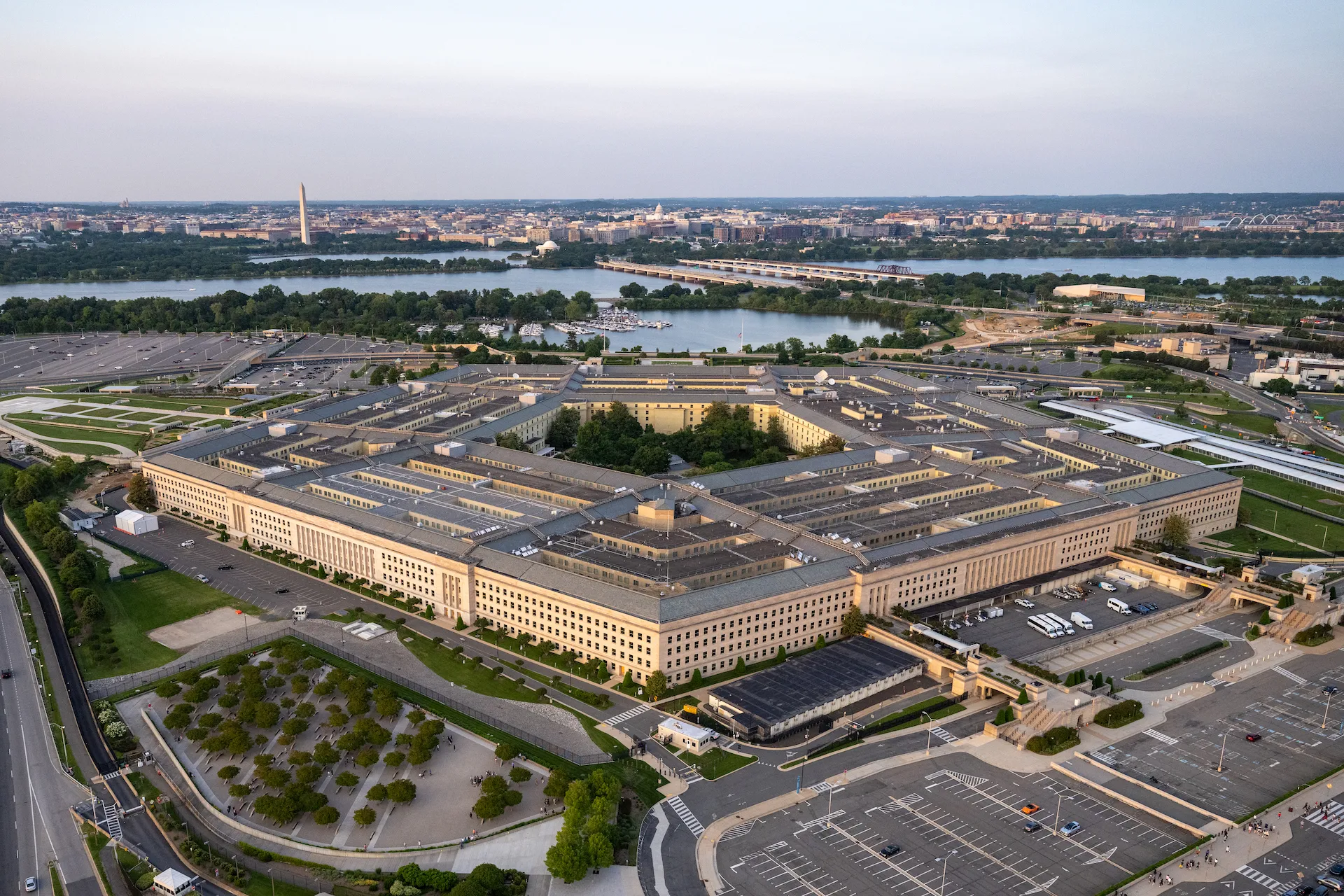
Troop withdrawal plan becomes a major point of discussion after the Pentagon announced a reduction of U.S. forces in Germany. Moreover, officials confirmed plans to withdraw about five thousand troops from the NATO ally over a period of six to twelve months. Consequently, the decision sparked immediate political attention in Washington as lawmakers reviewed the announcement.
In response, Senator Roger Wicker and Representative Mike Rogers publicly reacted to the decision and expressed concern about its timing. Additionally, both lawmakers lead the Senate and House armed services committees and requested further clarity on the strategy. As a result, they stated that they wanted more information on how the move would affect military readiness.
Meanwhile, defense officials explained that the troop withdrawal plan forms part of a broader realignment of U.S. military forces. Furthermore, they said the adjustment aims to improve global flexibility and support long-term strategic goals. At the same time, officials emphasized that the transition will happen gradually to reduce operational disruption.
Earlier, former President Donald Trump raised the possibility of withdrawing troops from Germany during discussions on NATO policy. In addition, his comments followed remarks from German Chancellor Friedrich Merz regarding U.S. involvement in international negotiations. Therefore, these statements contributed to renewed debate on alliance responsibilities and strategic priorities.
Similarly, Chancellor Friedrich Merz commented on ongoing Iran negotiations and described them as difficult for U.S. diplomatic efforts. Moreover, his remarks added context to wider discussions about international relations and cooperation among allied nations. Consequently, observers noted that these comments increased attention on defense and foreign policy coordination.
The troop withdrawal plan continues to be evaluated within broader U.S. defense restructuring efforts across multiple regions. Meanwhile, officials stated that implementation will occur in phases to maintain stability and operational continuity. In addition, they confirmed ongoing communication with NATO partners regarding the planned adjustments.
At the same time, members of Congress continue reviewing potential impacts on NATO readiness and European security arrangements. Furthermore, lawmakers are examining how the troop changes may affect long-term defense commitments in the region. As a result, discussions also include coordination with allied governments to ensure strategic balance.
In addition, Pentagon representatives stated that troop levels will adjust while maintaining core operational commitments in Europe. Moreover, they added that cooperation with NATO allies remains active throughout the planning and execution process. Consequently, officials expect additional updates as the timeline progresses in the coming months.
Ultimately, the troop withdrawal plan remains under review as policymakers assess military, diplomatic, and strategic factors together. Therefore, further statements from defense leaders are expected as the situation develops and planning continues.

