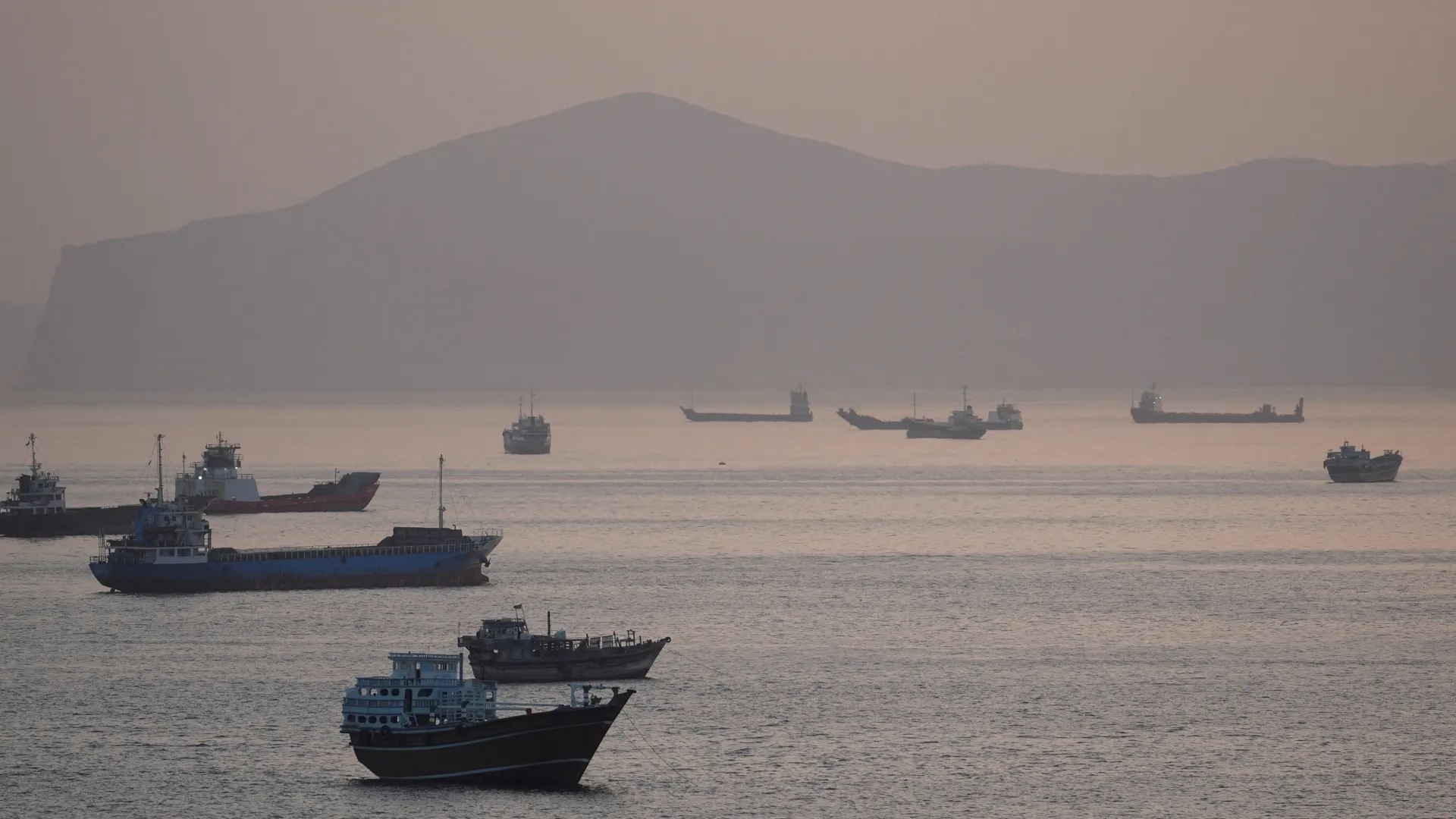
U.S. Iran tensions rise as the United States prepares a new naval operation in the Gulf. Iranian military leaders warned Washington against entering the Strait of Hormuz. At the same time, President Donald Trump announced a plan to guide stranded ships through the waterway. Consequently, the situation has become more fragile across the region.
Moreover, Iranian officials issued a direct warning to U.S. forces. They stated that any foreign military presence would face immediate response. In addition, they urged commercial vessels to avoid movement without coordination. Therefore, Iran aims to maintain control over maritime traffic in the strait.
Meanwhile, Trump introduced a campaign named Project Freedom. He explained that the United States would assist ships stuck in restricted waters. Furthermore, he described affected countries as neutral parties caught in conflict. He also stressed that crews on stranded vessels face shortages of food and supplies. Consequently, the United States plans to ensure safe passage for those ships.
In response, U.S. Central Command prepared a large-scale deployment. The operation includes thousands of personnel and multiple aircraft. Additionally, naval forces and drones will support the mission. U.S. officials argue that this action protects global trade routes. However, Iran views the move as a direct challenge to its authority.
At the same time, analysts warn that U.S. Iran tensions could escalate into direct confrontation. They highlight Iran’s use of drones and fast attack boats. Therefore, any confrontation could quickly intensify. Experts believe even a small incident could trigger wider conflict.
Furthermore, maritime security agencies raised the threat level in the area. They advised ships to consider alternative routes when possible. Some vessels already changed course toward safer waters. Meanwhile, reports indicated attacks on a tanker near the UAE coast. Fortunately, crews remained safe and no damage spread to the environment.
In addition, ongoing restrictions in the strait disrupted global energy flows. Iran limited shipping access, except for its own vessels. Consequently, oil and fuel prices increased sharply worldwide. In the United States, gasoline prices rose significantly. Therefore, consumers now face higher living costs and inflation pressures.
As a result, U.S. Iran tensions continue to impact global energy markets and shipping routes. At the diplomatic level, Iran proposed a plan to end the conflict. Officials confirmed they received a response from Washington. However, they described U.S. demands as difficult to accept. Leaders insist that ending the war remains their main priority.
Overall, the situation in the Strait of Hormuz remains highly unstable. Both sides continue to signal readiness for further action. Therefore, the risk of escalation stays high. As tensions grow, global markets and energy supplies remain under pressure.