
Michigan Senate race draws major attention as voters decide control of the state Senate in a special election. In addition, the contest signals broader political trends that may shape upcoming midterm elections across Michigan. Therefore, both parties treat this race as an important test of voter sentiment statewide today.
Democrat Chedrick Greene and Republican Jason Tunney compete for the vacant 35th district Senate seat. Meanwhile, Libertarian candidate Ali Sledz also joins the race, adding another option for voters in the district. The district sits north of Detroit and includes Saginaw, Bay City, and Midland communities.
The Michigan Senate race carries added significance because Democrats currently hold a narrow majority in the state Senate. As a result, this election could determine whether Democrats maintain control for the remainder of the term. Furthermore, Governor Gretchen Whitmer’s term limits increase attention on upcoming leadership changes in the state.
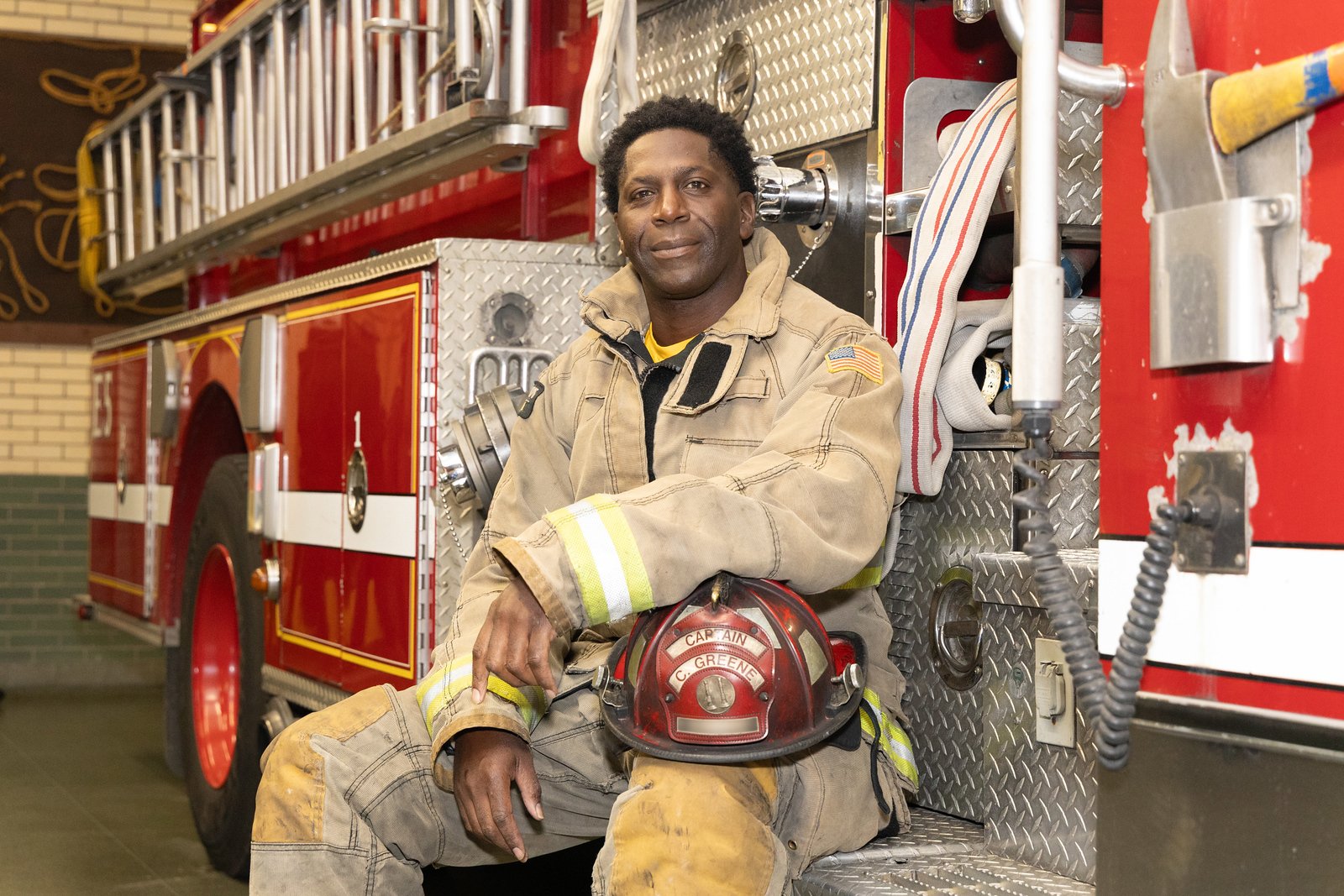
Greene campaigns as a fire captain and former Marine, focusing heavily on cost-of-living concerns. In contrast, Tunney runs as a conservative former prosecutor who emphasizes local roots and public safety experience. Both candidates highlight economic issues, although they present different policy solutions to voters.
Republican leaders criticize the timing of the special election and argue that officials delayed the process too long. However, Democratic leaders defend the scheduling and emphasize the importance of maintaining representation in the district. Consequently, this timing debate adds another layer of tension to the campaign.
The Michigan Senate race also attracts national attention because it may reflect broader voter behavior ahead of the midterms. Political analysts study turnout patterns closely to understand how different groups may vote in November elections. Moreover, both parties invest resources to test messaging strategies before the larger election cycle.
Democratic groups provide financial support and bring national political figures to campaign events in the district. At the same time, Republican candidates focus on local messaging and voter frustration with state-level policies. Therefore, outside involvement increases competition and raises the profile of the race.
The district includes a mix of union households, suburban communities, and rural conservative areas. As a result, campaigns focus heavily on turnout among different demographic groups across the region. Michigan Senate race continues to reflect this blend of political and social diversity within one district.
Historically, the district has shown closely contested results in both state and national elections. Furthermore, recent presidential voting patterns show a nearly even split between major political parties. Consequently, small changes in voter turnout could determine the outcome of this race.
Experts caution against reading too much into the results, although they still see value in the data. However, they agree that voter participation trends may provide useful insight for upcoming midterm elections. Ultimately, the Michigan Senate race remains an important indicator of political engagement and electoral momentum.

