
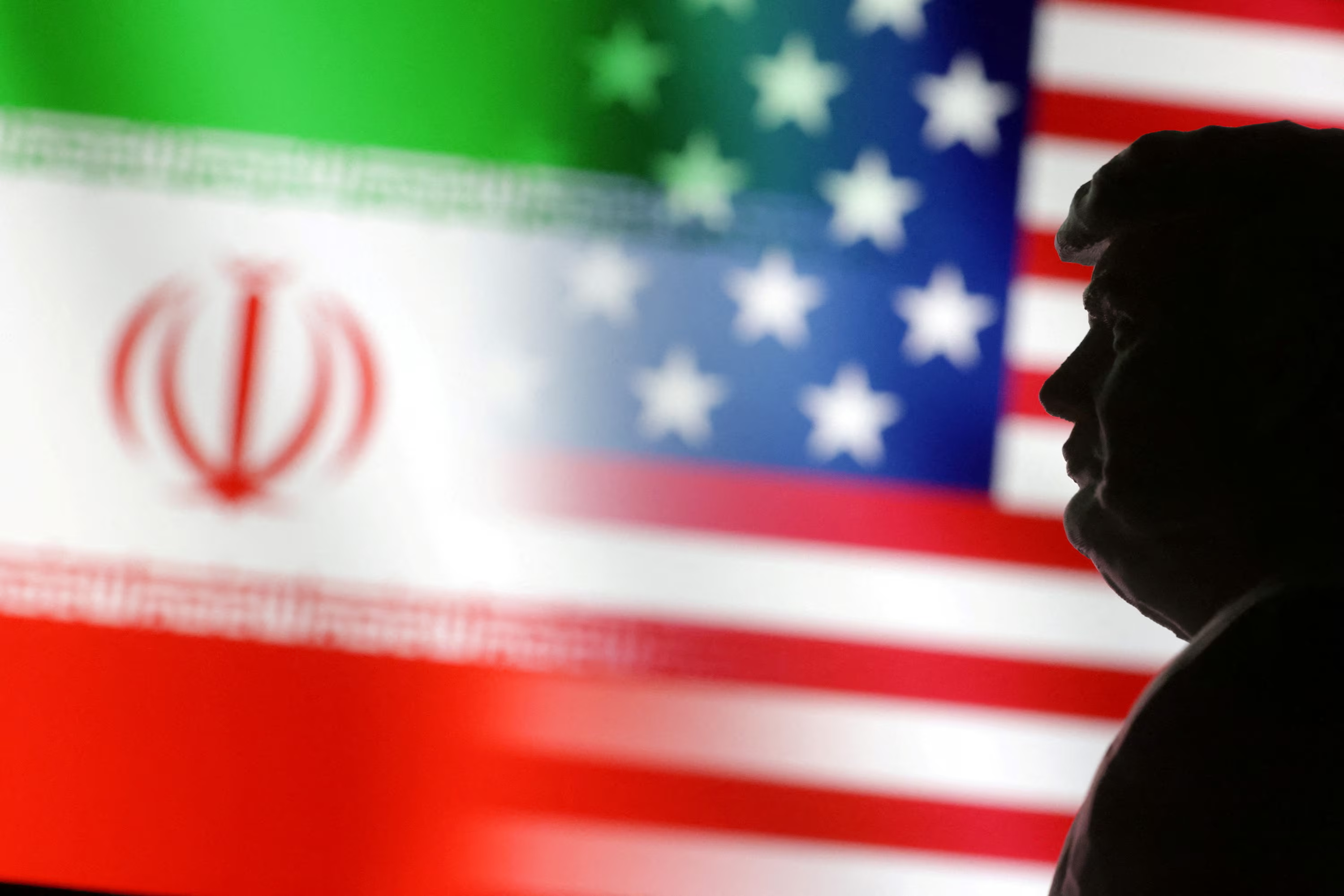
The United States and Iran are nearing a memorandum that could end the ongoing conflict. This Iran-U.S. deal development signals potential de-escalation after months of tension in strategic waters. Officials familiar with negotiations say both sides have recently moved closer toward a workable compromise. Mediators from Pakistan conveyed encouraging messages to Washington about Tehran’s willingness to adjust key positions. However, American officials remain cautious because previous diplomatic efforts collapsed unexpectedly during critical stage discussions.
Negotiators are now considering a concise one-page framework to declare an end to hostilities. The proposal would initiate thirty days dedicated to resolving remaining disputes between parties. Key issues include nuclear limits, frozen assets access, and arrangements in the Strait of Hormuz. Sources indicate the plan requires Iran to halt uranium enrichment for more than a decade. Earlier American proposals suggested longer restrictions, but negotiators now appear willing to consider shorter timelines. Another provision involves transferring enriched uranium stockpiles out of Iran under mutually agreed verification measures.
At the same time, Washington could ease economic sanctions and release billions of dollars in frozen funds. President Donald Trump emphasized achieving a diplomatic resolution while ensuring maritime routes reopen for global trade. He paused a naval escort mission after signs of progress emerged during the negotiation round. Officials argue military pressure strengthens hardline voices inside Iran, complicating efforts by moderates seeking compromise. Despite optimism president warned that failure to reach an agreement could result in intensified military action.
Diplomatic teams aimed to secure commitments on enrichment limits, sanctions relief, and navigation freedoms, announcing a ceasefire. President Vance and envoy Steve Witkoff planned talks before disagreements among Iranian leaders disrupted progress. Adviser Jared Kushner supported an initiative aiming to bridge divisions and encourage consensus within Iran’s political system. Regional observers believe incremental steps in this Iran-U.S. deal could build trust between standing adversaries. Still, uncertainties remain regarding enforcement mechanisms, verification standards, and the durability of any temporary arrangement.
Energy markets and shipping industries are monitoring developments because stability in the Strait directly affects supply chains. Analysts note reopening maritime traffic remains a central objective for Washington as negotiations advance cautiously. Iranian officials have not confirmed, but signals suggest internal debates continue between pragmatic and hardline factions. The coming days will determine whether the Iran-U.S. deal framework evolves into a lasting agreement. A successful memorandum could mark a turning point and reduce the risks of broader regional escalation.

