
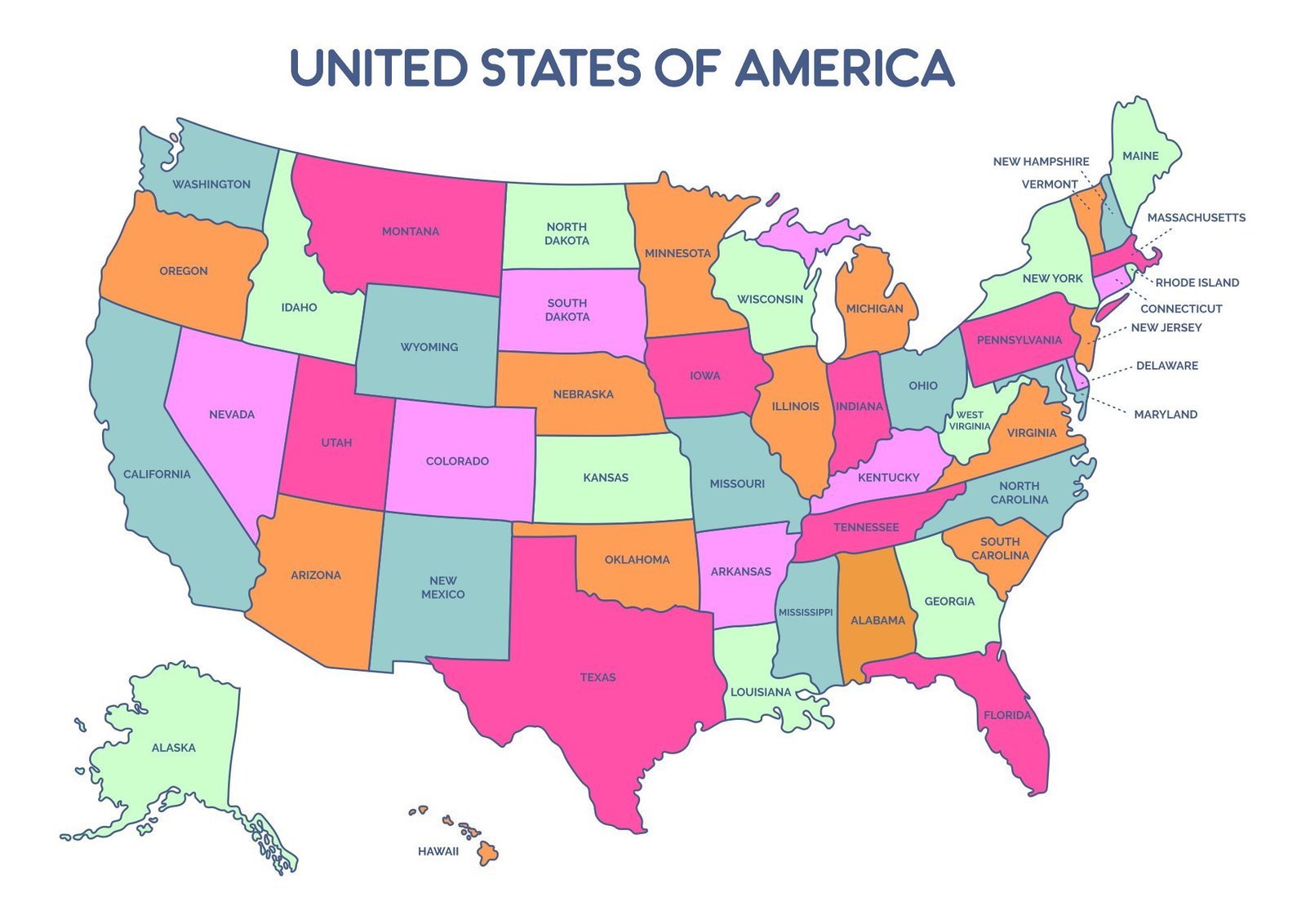
State Business Rankings are once again highlighting how U.S. states compete for investment, jobs, and economic growth. As companies pursue opportunities in artificial intelligence, healthcare, manufacturing, and defense industries, state leaders are working aggressively to attract major projects and business expansions.
Businesses face a complex economic environment that combines strong investment opportunities with persistent challenges. While emerging technologies continue creating new markets, companies also contend with inflation, supply chain pressures, rising operating expenses, and global uncertainty. Consequently, many firms are accelerating expansion plans and searching for locations that support long-term success.
States across the country are responding by promoting advantages that appeal to investors and corporate decision-makers. Many emphasize transportation networks, utility capacity, available development sites, and streamlined permitting processes. Additionally, economic stability has become an important selling point as businesses seek predictable environments for future growth.
The State Business Rankings evaluate all fifty states using a broad range of competitiveness measures. Researchers analyze economic performance, workforce quality, infrastructure strength, innovation capacity, and overall business conditions. Together, these categories provide a comprehensive picture of how effectively each state supports business activity and investment.
Infrastructure received the highest weighting in this year’s evaluation because companies increasingly prioritize speed and operational efficiency. Businesses want reliable highways, rail connections, ports, airports, broadband access, and dependable energy supplies. Furthermore, many organizations require development-ready sites that allow projects to move forward without lengthy delays.
Economic performance remains another critical factor in determining rankings. Analysts review job creation, gross domestic product growth, state finances, entrepreneurial activity, and overall economic stability. Strong fiscal management and diversified economies often help states attract both domestic and international investment.
Workforce quality also plays a major role in business competitiveness. Employers continue seeking skilled workers in technology, engineering, healthcare, manufacturing, and other specialized sectors. Therefore, states receive recognition for educational attainment, workforce training programs, talent attraction efforts, and productivity levels.
In addition, quality of life considerations have become increasingly important for employers and employees alike. Healthcare access, public safety, childcare availability, environmental conditions, and workplace protections influence where people choose to live and work. As a result, these factors contribute significantly to overall state competitiveness.
Technology and innovation represent another major component of the rankings. Researchers examine patent activity, research funding, semiconductor development, advanced computing resources, and artificial intelligence growth. States that support emerging industries often gain advantages in attracting future-focused investments.
The study also evaluates business costs, regulatory efficiency, education systems, access to capital, and living expenses. Moreover, researchers rely on extensive data from federal agencies, universities, economic organizations, research institutions, industry groups, and private analytics firms. This approach helps create a detailed and data-driven assessment of state performance.
State Business Rankings ultimately provide valuable insight into how states position themselves in a highly competitive economic landscape. As investment opportunities continue expanding, state governments will likely increase efforts to strengthen infrastructure, develop talent, encourage innovation, and improve business conditions. Those initiatives may determine which states secure the next generation of economic growth and corporate investment.