
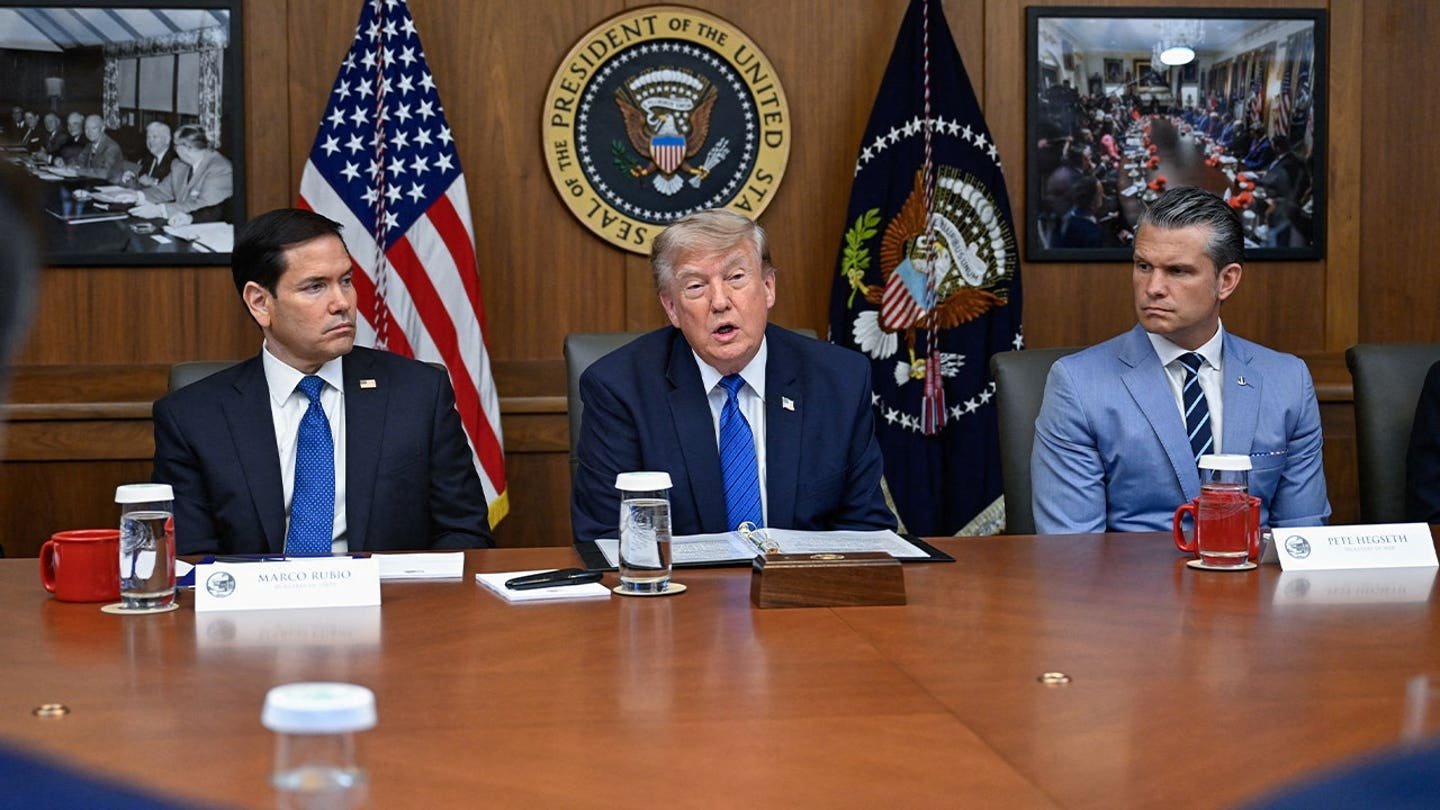
Iran Conflict remains at the center of U.S. foreign policy after President Donald Trump warned that fighting with Iran could continue despite earlier hopes for renewed negotiations. He also expressed growing skepticism about reaching a diplomatic agreement while accusing Tehran of misrepresenting its position during indirect discussions.
President Donald Trump said Americans should prepare for additional fighting as tensions with Iran continue across the region. He stated that Iran could continue launching attacks before its military capabilities gradually weaken over time. Nevertheless, he maintained confidence that the United States would ultimately prevail despite the prolonged conflict. Trump also urged continued vigilance because changing battlefield conditions could quickly alter the security situation. His comments came during a Cabinet meeting held at Camp David in Maryland.
Trump acknowledged that the conflict could continue longer than previously expected because both sides remain actively engaged. He said Iran might temporarily regain limited capabilities before suffering additional military setbacks. However, he argued sustained military pressure would steadily reduce Tehran’s ability to continue large-scale attacks. At the same time, he emphasized that American forces should remain prepared for unexpected developments. Consequently, administration officials continue monitoring the evolving security situation throughout the region.
The president also expressed growing doubts about achieving a diplomatic agreement with Iranian leaders. He said his confidence in ongoing negotiations had weakened because he questioned Tehran’s sincerity during discussions. Furthermore, Trump accused Iranian officials of providing misleading information throughout recent diplomatic contacts. As a result, he suggested future negotiations may become increasingly difficult without meaningful changes from Iran. Those remarks reflected a noticeable shift from earlier optimism regarding possible diplomatic progress.
Recent military operations have also influenced the administration’s current assessment of the regional conflict. U.S. forces launched additional strikes against Iranian military targets following attacks on American positions. Military officials said the operations targeted command centers, missile facilities, drone infrastructure, coastal defenses, and related military assets. According to defense officials, those strikes aimed to reduce Iran’s operational capabilities across several strategic locations. Nevertheless, Iranian forces have continued launching attacks despite previous military setbacks.
The renewed hostilities followed the collapse of an earlier agreement intended to reduce regional tensions. That understanding sought to restore stability and improve commercial shipping through the Strait of Hormuz. However, fighting resumed after attacks targeted vessels traveling through the strategically important waterway. Consequently, diplomatic momentum slowed as military operations again became the primary focus for both sides. Regional security conditions have remained uncertain since those developments unfolded.
Several countries continue supporting diplomatic efforts aimed at restoring negotiations between Washington and Tehran. Oman, Qatar, Pakistan, and Egypt have encouraged renewed dialogue despite continuing military exchanges. However, disagreements over sanctions, maritime security, and Iran’s nuclear program continue delaying meaningful progress. Additionally, recent attacks have further complicated discussions between officials seeking a peaceful resolution. Diplomatic representatives nevertheless remain engaged while searching for acceptable compromises.
The ongoing Iran Conflict has also increased political attention as the United States approaches upcoming elections. Lawmakers and analysts continue examining the administration’s strategy for addressing the prolonged military confrontation. Meanwhile, officials face growing questions regarding future military objectives and possible diplomatic alternatives. The administration maintains that protecting American interests remains its highest priority throughout the conflict. As developments continue, the Iran Conflict remains a defining issue shaping both foreign policy and regional security discussions.

