
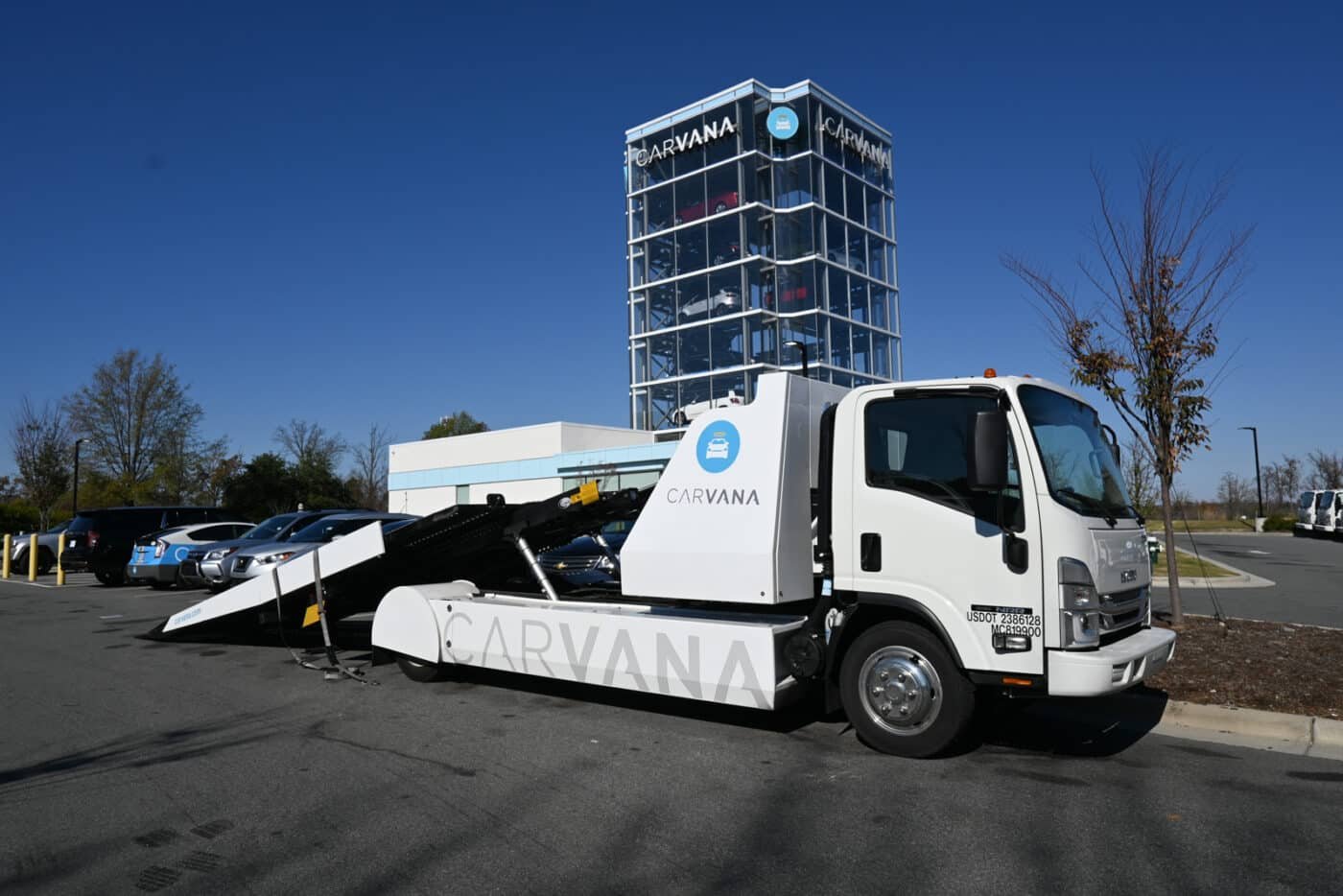
Carvana Expansion has entered a new phase as the company moves beyond used vehicle sales. The strategy could influence how consumers purchase vehicles and how dealerships operate nationwide.
The online automotive retailer recently acquired several franchised dealerships that primarily represent Chrysler, Dodge, Jeep, and Ram brands. Through these acquisitions, the company gained a stronger position within the highly competitive new vehicle market. Industry observers believe the move could create significant changes across the traditional dealership landscape.
For years, Carvana focused almost exclusively on buying and selling used vehicles through digital platforms. Customers typically completed transactions online before receiving vehicles through delivery services or designated pickup locations. However, the company’s latest investments signal a broader effort to expand revenue opportunities and strengthen market influence.
One recently acquired dealership in Arizona has demonstrated remarkable growth under the company’s ownership. Sales volumes increased dramatically compared with previous performance levels, drawing attention from automotive executives and dealership operators. Consequently, many industry participants now closely watch Carvana’s next strategic decisions.
In addition, the expansion provides benefits that extend beyond new vehicle sales alone. Franchise ownership gives Carvana access to dealer-exclusive vehicle auctions and additional trade-in opportunities. As a result, the company can potentially increase used vehicle inventory while improving sourcing efficiency. Analysts view this development as an important competitive advantage within the automotive retail sector.
The Carvana Expansion strategy also allows the company to participate in more areas of the vehicle ownership cycle. Traditional dealerships generate revenue from new vehicle sales, used vehicle sales, financing products, and service operations. Previously, Carvana concentrated primarily on used vehicles and financing-related activities. Now, the company appears positioned to broaden its business model significantly.
Nevertheless, entering the franchised dealership market introduces new challenges and regulatory requirements. New vehicle sales operate under state-specific rules that often differ from regulations governing used vehicles. Furthermore, franchise owners must meet manufacturer standards involving facilities, customer support, inventory management, and service capabilities.
Despite these obstacles, Carvana possesses infrastructure advantages that many competitors may find difficult to replicate. The company built a nationwide logistics network capable of moving vehicles efficiently across multiple markets. Additionally, its digital sales platform allows customers to complete large portions of the buying process online. These capabilities could help streamline operations and improve customer convenience.
Automotive experts also point to the company’s large processing and reconditioning facilities as valuable assets. Existing capacity significantly exceeds current vehicle sales volumes, creating opportunities for future growth. Therefore, the company may possess the resources necessary to support expanded dealership operations and additional customer services.
The Carvana Expansion initiative continues to generate discussion throughout the automotive industry as stakeholders evaluate its long-term impact. Dealers acknowledge that increased competition may encourage innovation and operational improvements. Meanwhile, consumers could benefit from greater purchasing flexibility and more digital buying options. As the company expands its presence, industry leaders will closely monitor whether this approach reshapes the future of automotive retailing across the United States.

