
The Tax Exempt Status became the focus of a growing political dispute after new legislation emerged in Congress. The proposal targets the Southern Poverty Law Center and seeks to remove its nonprofit designation under federal law.
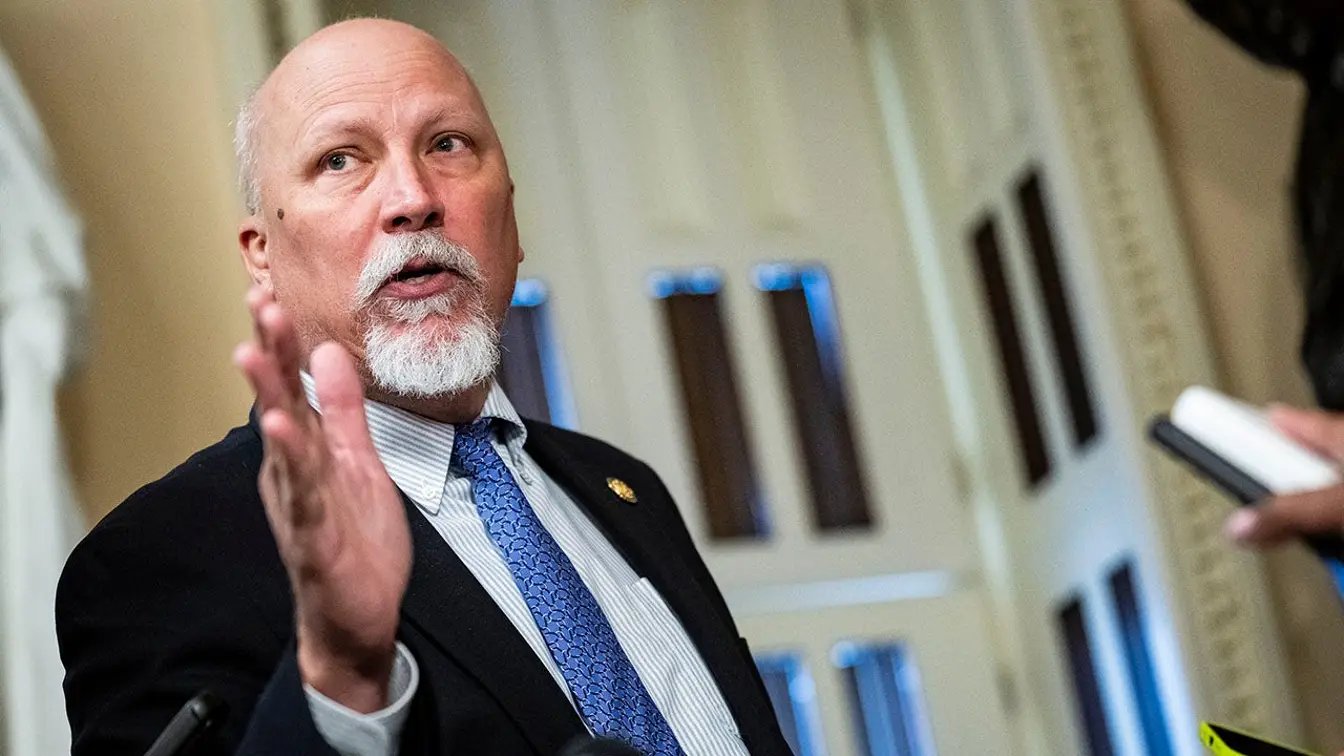
Representative Chip Roy of Texas introduced the measure following a contentious congressional hearing involving the organization’s leadership. Additionally, the proposal arrived as federal authorities continue examining allegations connected to financial practices and organizational activities.
Roy argued that nonprofit benefits should support organizations serving broad public interests rather than partisan objectives. Consequently, he stated that Congress should review whether certain groups still qualify for favorable tax treatment under existing regulations.
The legislation follows recent oversight hearings where lawmakers questioned Bryan Fair, the organization’s interim chief executive. During those proceedings, members of Congress examined the group’s public designations of various political and advocacy organizations.
Several Republican lawmakers challenged the organization’s classification methods and questioned how it identifies extremist movements. Furthermore, they raised concerns regarding groups included on annual monitoring lists and the standards applied during evaluations.
Meanwhile, the nonprofit rejected accusations of political targeting and maintained that its research follows established criteria. Organization representatives also stated that religious affiliation alone does not determine whether a group receives a particular designation.
Tax-Exempt Status entered a broader debate after allegations surfaced involving financial transactions connected to an informant program. Federal investigators continue reviewing claims that funds reached extremist organizations through concealed arrangements over multiple years.
The organization has defended its past activities and insisted that certain programs supported public safety objectives. However, critics argue that congressional investigators deserve clearer explanations regarding financial oversight and operational procedures.
Lawmakers also highlighted the nonprofit’s substantial financial resources during committee discussions. According to figures cited during hearings, the organization controls significant assets, maintains a large endowment, and receives considerable annual revenue.
Additionally, committee members questioned whether the organization’s classifications apply consistently across different political and ideological movements. Several lawmakers asked why certain groups appear on monitoring lists while others remain excluded.
Fair defended the organization’s approach during testimony and rejected claims of partisan bias. Nevertheless, several lawmakers remained unconvinced and continued pressing for additional answers throughout the hearing.
Tax-exempt status could face increased scrutiny if Congress advances the proposed legislation through committee review. Although the bill faces several legislative hurdles, supporters believe it will encourage broader examination of nonprofit accountability standards.
The debate now extends beyond one organization and touches larger questions about nonprofit oversight. As investigations continue and lawmakers pursue additional inquiries, congressional attention remains focused on transparency, financial practices, and compliance with federal regulations.