
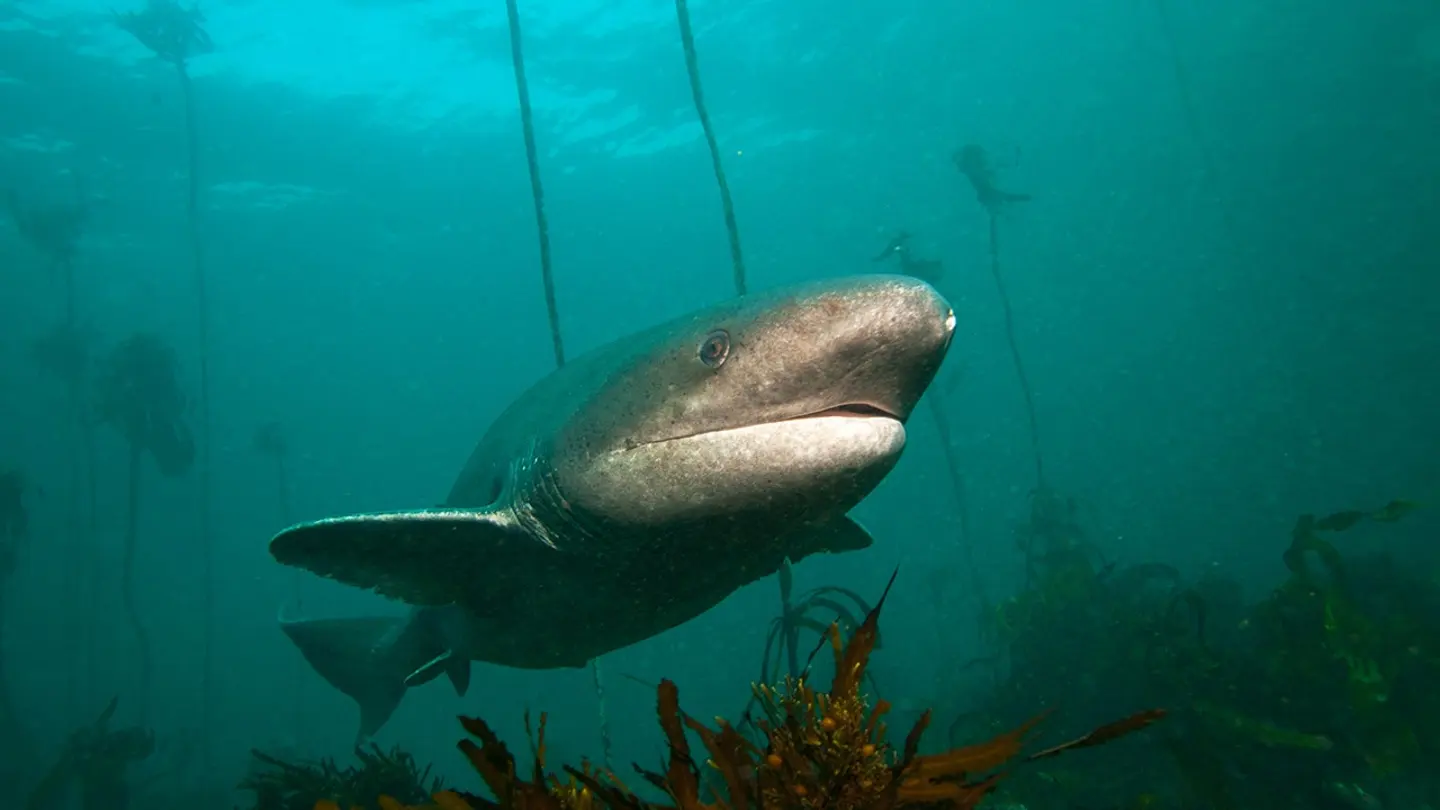
Protected sharks remain at the center of a criminal case after Washington authorities charged an Oregon man following a lengthy wildlife investigation. Officials allege the suspect repeatedly targeted protected shark species despite regulations designed to safeguard vulnerable marine populations. Investigators believe the case highlights growing concerns about illegal fishing activities shared through social media platforms.
The Washington Department of Fish and Wildlife announced charges against Connor Seifert, a 27-year-old Oregon resident, after months of monitoring reported incidents. According to investigators, officers reviewed multiple public complaints, examined online content, and conducted surveillance before taking enforcement action. Authorities ultimately concluded sufficient evidence existed to move forward with criminal charges connected to several alleged violations.
Officials stated the investigation focused on bluntnose sixgill sharks and broadnose sevengill sharks inhabiting Puget Sound during sensitive developmental periods. Wildlife experts describe the region as an important nursery where younger sharks mature before eventually migrating into larger ocean environments. Consequently, state regulations prohibit anglers from intentionally targeting these protected species or removing them from the water.
Body camera footage released by authorities captured an officer confronting the suspect during an encounter in Pierce County during June. The officer explained that removing protected sharks from the water could severely affect both adult animals and developing offspring. Furthermore, officials emphasized that pregnant sharks experience extreme stress after prolonged struggles, potentially reducing survival rates among unborn pups.
Investigators alleged the suspect repeatedly ignored established fishing regulations despite possessing knowledge of applicable conservation rules. Officers claimed he removed sharks from the water, handled them on shore, and posed with them for photographs. Additionally, authorities alleged he shared images and videos online that documented the encounters and supported the investigation.
The suspect reportedly told investigators he accidentally hooked the sharks rather than deliberately pursuing protected species during recreational fishing trips. However, investigators argued the collected evidence suggested repeated conduct inconsistent with accidental catches. Officials pointed to photographs allegedly showing the suspect sitting on sharks, holding their tails, and forcing their mouths open.
Authorities ultimately charged Seifert with nine counts of unlawful recreational fishing in the second degree. Prosecutors also filed one count alleging he knowingly provided false or misleading information to a public servant. If convicted, the misdemeanor and gross misdemeanor charges could carry financial penalties and possible jail sentences under Washington law.
Wildlife officials explained that increasing social media attention surrounding unusual shark catches has complicated conservation efforts throughout the region. Consequently, enforcement officers have increased monitoring activities while encouraging anglers to report suspected violations involving protected marine wildlife. Officials believe public cooperation remains essential for preserving sensitive shark populations and maintaining healthy marine ecosystems.
According to investigators, the department received approximately fourteen complaints connected to the suspect before filing criminal charges. Many reports alleged similar interactions involving protected sharks and prompted officers to expand their investigation over several months. Investigators eventually coordinated surveillance efforts designed to observe fishing activity directly instead of relying solely upon digital evidence.
Conservation officials continue encouraging recreational anglers to familiarize themselves with species-specific fishing regulations before entering Washington waters. They stressed that compliance protects vulnerable wildlife populations while supporting sustainable recreational fishing opportunities for future generations. Moreover, they reminded anglers that conservation laws exist to preserve fragile ecosystems rather than discourage responsible outdoor recreation.
Wildlife authorities classify bluntnose sixgill sharks among species facing elevated conservation concerns because their populations recover slowly after losses. Likewise, broadnose sevengill sharks remain vulnerable due to habitat pressures and reproductive characteristics limiting rapid population growth. Therefore, officials continue strengthening education efforts alongside enforcement actions intended to reduce unnecessary harm.
The investigation involving Protected sharks illustrates how wildlife agencies increasingly combine public reports, surveillance, and digital evidence during enforcement efforts. Officials believe these methods improve accountability while discouraging unlawful behavior affecting vulnerable marine species. Meanwhile, prosecutors will determine the next legal steps as the criminal proceedings continue through the Washington court system.
Protected sharks remain an important conservation priority because healthy populations contribute significantly to balanced marine ecosystems throughout the Pacific Northwest. Authorities maintain that enforcing existing regulations protects these species while supporting responsible recreational fishing for everyone. As the case proceeds, investigators hope the outcome reinforces compliance with wildlife protection laws and increases awareness regarding Protected sharks across regional fishing communities.