
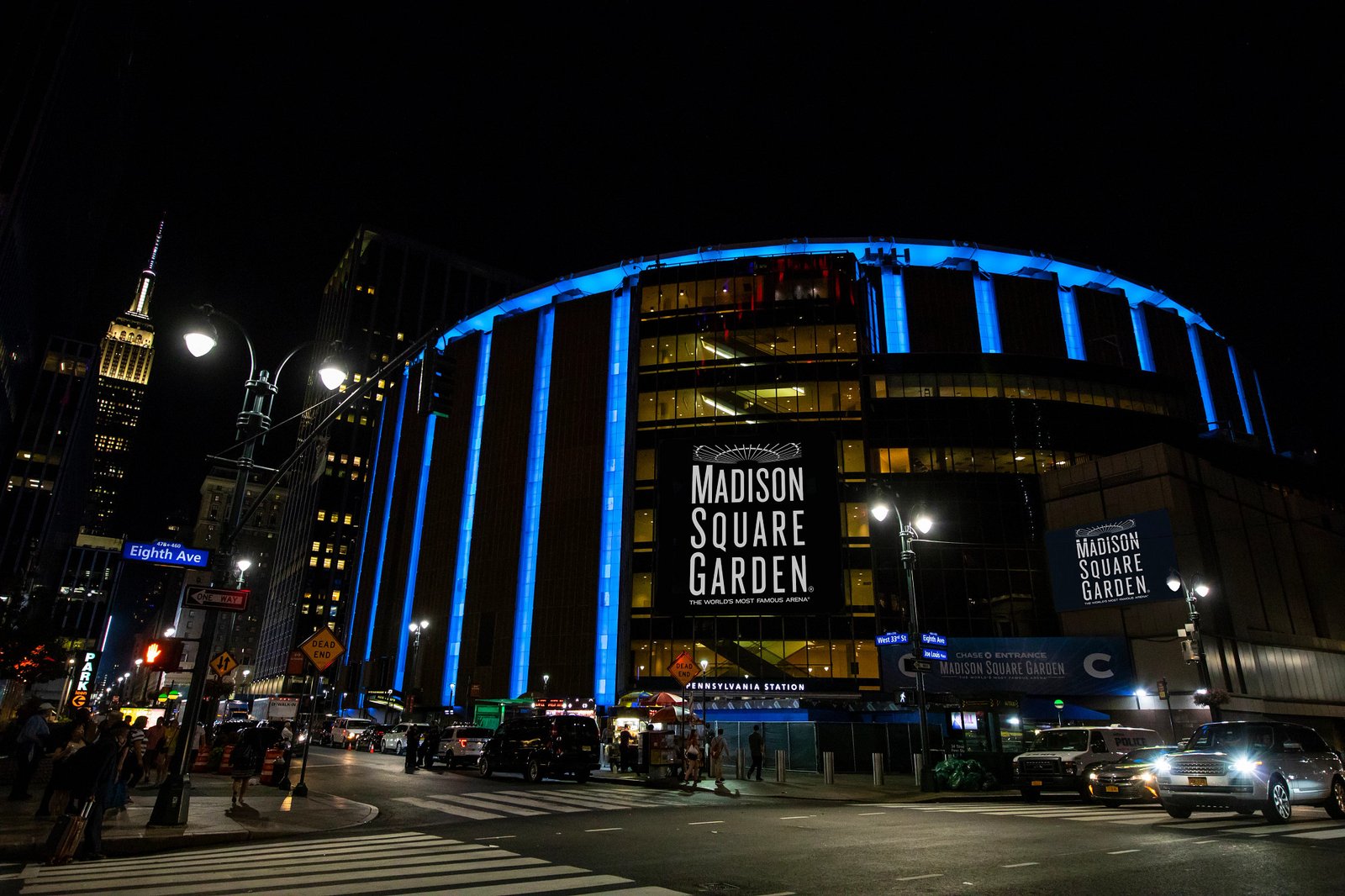
Watch Party discussions dominated New York sports conversations after Madison Square Garden canceled a planned Game 4 fan event. The decision arrived only hours before tipoff and sparked debate among city officials, team executives, and basketball supporters across the city.
The cancellation followed disagreements regarding security measures surrounding Madison Square Garden before the championship matchup. City officials introduced a strict safety plan that included controlled access points, screening procedures, and expanded crowd management operations. However, arena representatives argued that those restrictions would limit fan participation and reduce the event’s atmosphere.
Madison Square Garden leadership stated that officials approved attendance for fewer than one thousand people. Consequently, executives believed many dedicated fans would remain outside the event area without opportunities to participate. Therefore, organizers decided not to proceed with the outdoor gathering despite receiving authorization.
Meanwhile, city leaders defended the security strategy and emphasized public safety concerns following recent incidents. Officials noted that large crowds gathered around previous playoff events and occasionally created dangerous situations. As a result, authorities maintained that enhanced precautions remained necessary for protecting visitors, businesses, and nearby residents.
The Watch Party dispute intensified after city representatives publicly challenged claims that officials blocked celebrations. Leaders explained that organizers received permission for the event and could have moved forward under approved conditions. Furthermore, police officials stated they had already prepared resources and personnel to support crowd management efforts.
Despite the cancellation, hundreds of enthusiastic supporters still gathered outside the arena before and during the game. Fans stood behind barriers, cheered loudly, and followed developments through mobile devices. Additionally, many celebrated major moments as sounds from inside the venue echoed through the surrounding streets.
Security concerns remained a central issue because several incidents occurred during recent championship celebrations. Authorities reported arrests, injuries, property damage, and other disturbances connected to large gatherings around playoff games. Consequently, officials viewed stricter controls as a necessary response to prevent additional problems.
At the same time, arena representatives argued that restrictions negatively affected businesses surrounding the venue. Restaurant owners, retailers, and local establishments often benefit from increased visitor traffic during major sporting events. Therefore, executives claimed tighter controls could reduce economic activity during one of the city’s busiest periods.
Inside the arena, numerous celebrities and notable guests attended the highly anticipated contest. Meanwhile, excitement continued to build as fans hoped the home team could strengthen its position in the championship series. The game ultimately delivered a dramatic comeback victory that energized supporters throughout New York.
The Watch Party controversy highlighted ongoing tensions between public safety priorities and large-scale fan celebrations. Nevertheless, both city officials and arena leadership emphasized their commitment to creating safe experiences for attendees. As the series continues, discussions regarding security and fan access will likely remain an important topic throughout future events.