
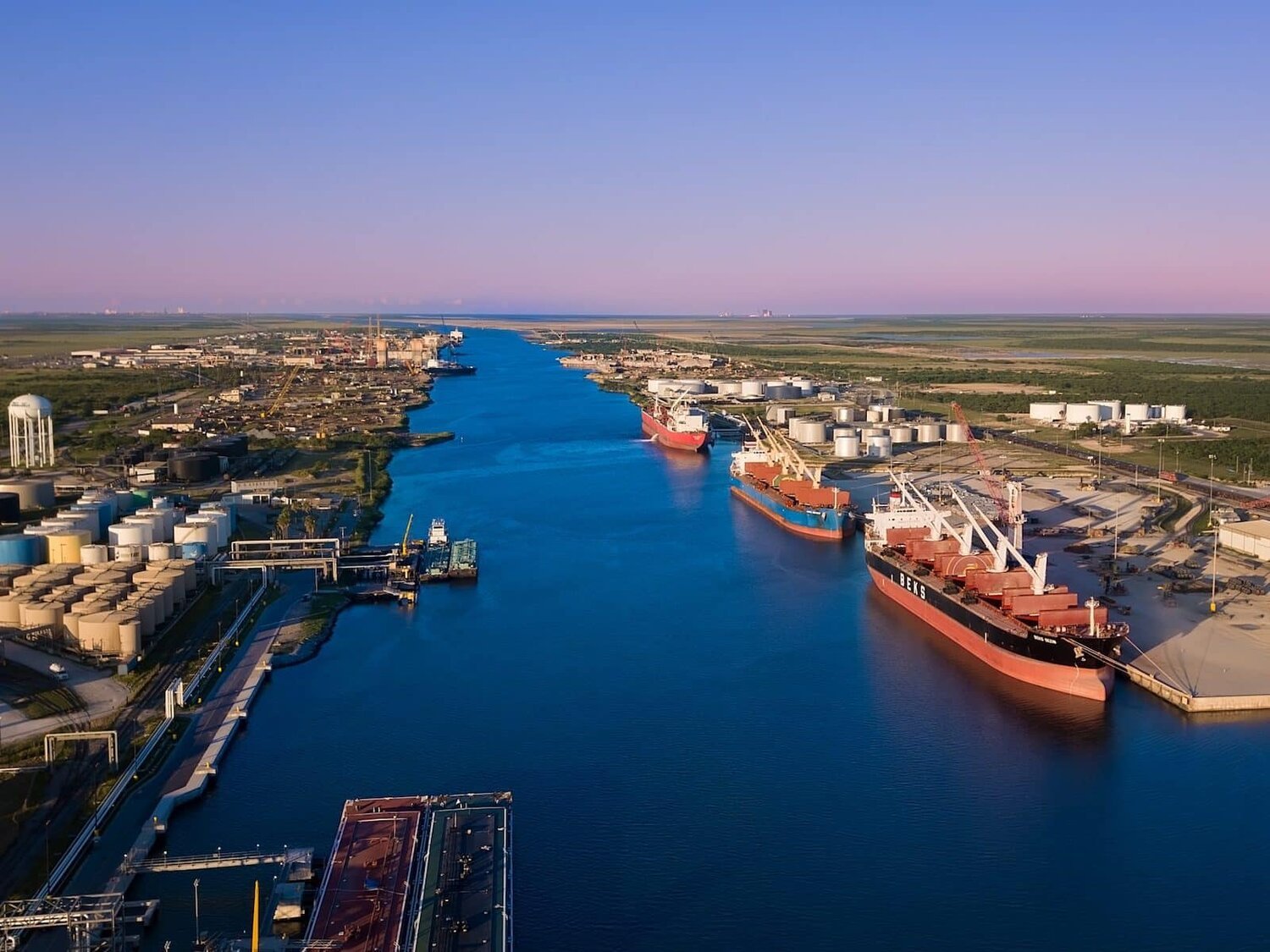
Port Expansion has become a major focus after the Port of Brownsville completed a significant channel improvement project. The $295 million infrastructure upgrade increases shipping capacity and strengthens the port’s role in regional trade. Officials said the project allows larger vessels to enter the channel while supporting growing cargo activity between the United States and Mexico.
The completed Brazos Island Harbor Improvement Project deepened the Brownsville Ship Channel by 10 feet. As a result, vessels can now carry heavier loads and operate more efficiently through the port. The upgrade changes the port’s capabilities because deeper waterways create opportunities for additional maritime business.
The project increased the main navigation route from 42 feet to 52 feet. Meanwhile, entrance and jetty channels also expanded from 44 feet to 54 feet. These improvements help reduce previous restrictions that affected larger commercial vessels entering the facility.
Located in southern Texas near the Gulf of Mexico, the Port of Brownsville serves as an important connection point for international commerce. Furthermore, the port handles a large amount of trade linked to Mexico, including industrial materials, petroleum products, and steel shipments.
Port leaders described the investment as a long-term transformation for the facility. They explained that the deeper channel improves cargo movement, supports energy exports, and creates stronger competition with other maritime locations.
Additionally, the project reflects broader efforts to improve supply chain networks across North America. Companies continue seeking reliable transportation routes, and upgraded ports can help meet rising demand from manufacturers and exporters.
Port Expansion also connects with other regional economic developments. Specialty chemical distributor Palmer Holland recently expanded its operations into Mexico, establishing facilities and local support teams in Querétaro. The company said the move strengthens its ability to serve customers throughout the region.
At the same time, TexAmericas Center is considering a possible battery materials manufacturing project in Northeast Texas. The proposed facility could represent hundreds of millions of dollars in investment and support production for energy storage and electric vehicle industries.
The potential development would depend on final approvals, financing, and additional planning steps. However, officials believe the project could contribute to advanced manufacturing growth in the area.
Overall, the Brownsville channel upgrade demonstrates how infrastructure investments can reshape trade routes. The project improves vessel access, expands economic opportunities, and positions the region for future industrial growth. Port Expansion remains central to efforts aimed at improving logistics connections across borders and supporting modern commerce.