
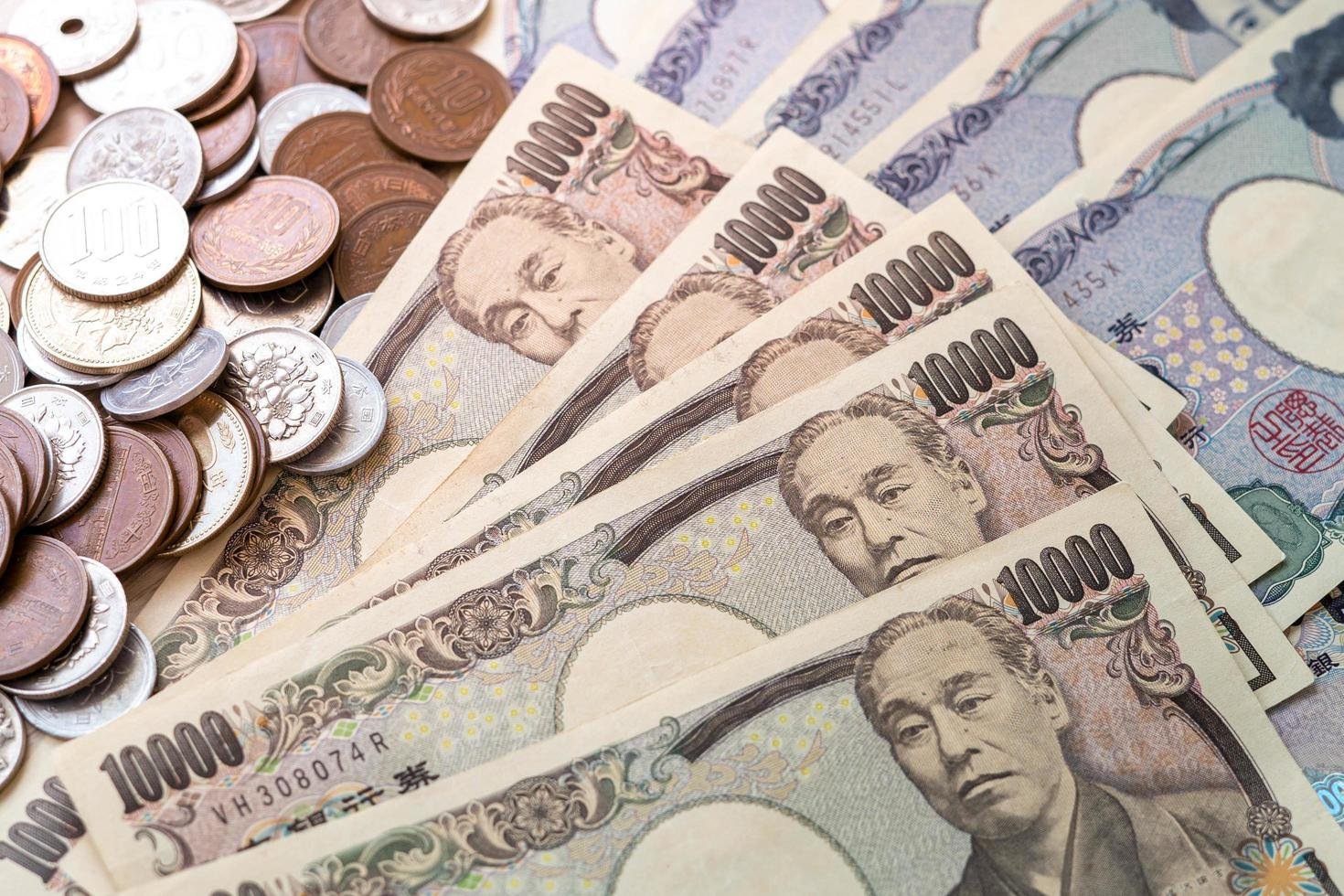
Yen intervention remains a major option for Japan as officials consider further action against renewed currency weakness.
Japan appears to have substantial financial resources available for additional efforts to support its currency, according to Goldman Sachs estimates. The country holds roughly $1 trillion in U.S. dollar reserves, providing considerable capacity for potential market operations.
Around $200 billion of those reserves could exist in cash or highly liquid assets, according to the bank’s assessment. That amount roughly matches the scale of Japan’s major currency operation during July.
Consequently, Japanese authorities could potentially conduct several interventions of similar size without exhausting their readily available resources. Moreover, access to a Federal Reserve liquidity facility could theoretically provide Japan with greater flexibility when raising dollars.
Japanese officials have indicated that they remain prepared to intervene if market conditions create excessive pressure on the yen. The credibility of that warning increased after the United States participated in the recent operation.
The coordinated action marked the first time Washington directly joined Japan in supporting the yen since 1998. Additionally, other major economies previously coordinated currency measures with Japan during periods of significant market disruption.
The latest intervention followed a sharp yen decline toward 164 against the U.S. dollar. At that level, the Japanese currency approached its weakest position in several decades.
Japanese authorities reportedly deployed tens of billions of dollars during the opening stages of the operation. Goldman estimates that Japan may have used approximately $85 billion during the first two days.
Initially, the intervention strengthened the yen and pushed it above its 200-day moving average. However, those gains have gradually weakened as traders again moved the exchange rate toward 160.
Yen intervention can temporarily change market conditions, but analysts warn that it cannot permanently address underlying economic pressures. Therefore, Japan may need broader monetary and economic adjustments to support a sustained currency recovery.
One important factor involves the interest-rate gap between Japan and the United States. Investors can currently earn substantially higher yields from U.S. government debt compared with Japanese government securities.
That difference encourages investors to maintain dollar positions and sell yen through carry-trade strategies. As a result, the interest-rate differential continues exerting significant downward pressure on Japan’s currency.
The Bank of Japan’s upcoming September policy meeting could therefore become particularly important for currency markets. Financial markets currently assign a significant probability to another quarter-point Japanese interest-rate increase.
Markets also expect additional monetary tightening before the end of 2026. However, analysts warn that delaying or reducing those expectations could quickly increase selling pressure against the yen.
A faster pace of Japanese rate increases could narrow the yield gap supporting dollar demand. Nevertheless, U.S. monetary policy will also influence the currency relationship throughout the coming months.
For example, weaker American economic data could reduce expectations for higher U.S. interest rates. Consequently, lower Treasury yields could reduce the incentive for investors to favor dollar-denominated assets.
Recent inflation figures offered some support for that possibility, although the data largely matched market expectations. Consumer prices increased modestly during July, while the annual inflation rate declined from the previous month.
Meanwhile, U.S. Treasury yields moved lower following the inflation report. That movement could reduce some pressure on the yen if investors begin anticipating easier American monetary policy.
Still, another sharp yen decline could increase expectations for renewed Japanese intervention. Traders may become increasingly cautious about selling the currency near levels where officials could act.
Yen intervention therefore remains closely connected to both monetary policy and market positioning. Japan has substantial financial resources, but officials still face challenges in achieving lasting currency stability.
Ultimately, sustained yen strength will likely require changes in interest-rate expectations rather than intervention alone. Until those conditions change, markets may continue watching Japan’s reserves and policy signals closely.
For now, Japan retains significant capacity to respond if the yen approaches levels officials consider unacceptable. The next major test could arrive around the Bank of Japan’s September policy decision.