
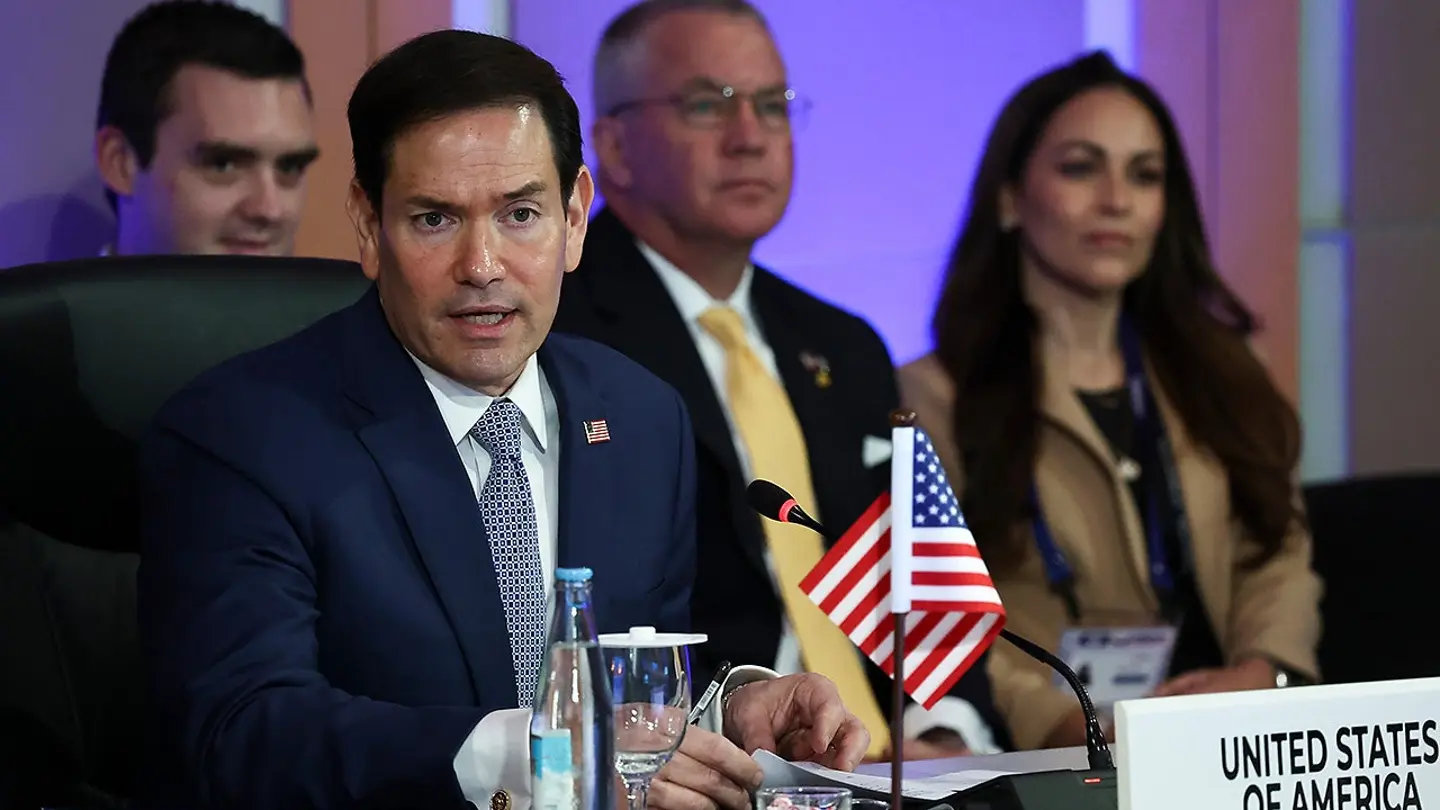
The State Department has ended Biden-era DEI Guidance that encouraged diplomats to address diversity issues with foreign governments. The Trump administration says American diplomats should instead prioritize national interests and practical diplomatic objectives abroad. Officials describe the policy shift as part of a broader effort to reshape Foreign Service operations. The changes also remove DEI-related expectations from employee evaluations and promotion considerations.
Under the previous administration, State Department guidance encouraged senior officials to discuss social inclusion, racial equity, gender equity, disability issues and LGBTQI+ matters. Those topics could appear during high-level meetings with foreign officials and within bilateral discussions. The guidance specifically asked diplomatic leadership whether personnel raised such subjects with foreign counterparts. It also encouraged officials to address these issues when appropriate in countries where they remained controversial.
The Biden-era policies also extended into internal workplace practices across the Foreign Service. Employees faced expectations involving allyship, bias awareness and participation in diversity initiatives. Additionally, officials received encouragement to identify potential bias involving race, ethnicity, gender, sexual orientation and disability. The guidance also urged employees to develop their own understanding of diversity policies.
Furthermore, diplomatic offices received instructions concerning DEIA councils and related workplace programs. Offices without such councils faced expectations to support their establishment. Meanwhile, employees were encouraged to provide feedback about ways missions could advance diversity initiatives. The guidance also called for localized training programs involving American and locally employed personnel.
However, the Trump administration has now removed those requirements from personnel assessments. State Department officials say diplomats should concentrate on professional qualifications and core diplomatic responsibilities. Consequently, DEI Guidance no longer forms part of employee performance evaluations under the current administration.
State Department spokesperson Tommy Pigott said the department wants diplomacy to serve American interests. He described the administration’s approach as a significant restructuring of Foreign Service priorities. According to Pigott, officials now emphasize merit and practical diplomatic abilities over ideological requirements.
The administration also plans to revise Foreign Service training around skills directly connected to diplomacy. Those changes include preparation for international challenges facing the United States and its allies. Therefore, officials argue that diplomats should spend their time advancing specific American policy objectives.
The policy change represents another significant reversal of Biden-era practices at the State Department. President Donald Trump’s administration has pursued broader changes involving diversity programs throughout the federal government. Similarly, other agencies have reviewed or removed policies that officials consider ideological rather than operational.
Secretary of State Marco Rubio has supported efforts to refocus the department around national security and diplomatic effectiveness. His leadership has emphasized competition with major powers and strengthening America’s position abroad. At the same time, the administration says professional standards should guide personnel decisions across the Foreign Service.
The Biden-era DEI Guidance remains relevant because it illustrates the differing priorities between the two administrations. While Biden officials emphasized institutional diversity and inclusion, Trump officials emphasize merit and national interests. Nevertheless, the department’s changes do not establish that every previous policy violated federal law. Instead, they reflect a different administrative approach to diplomacy and personnel management.
Overall, the State Department’s decision marks a clear shift in how American diplomats approach workplace policies and foreign engagement. The Trump administration argues that diplomatic personnel should represent American priorities without promoting domestic ideological frameworks overseas. Meanwhile, the department continues restructuring its Foreign Service around professional skills, national security and traditional diplomatic responsibilities.