
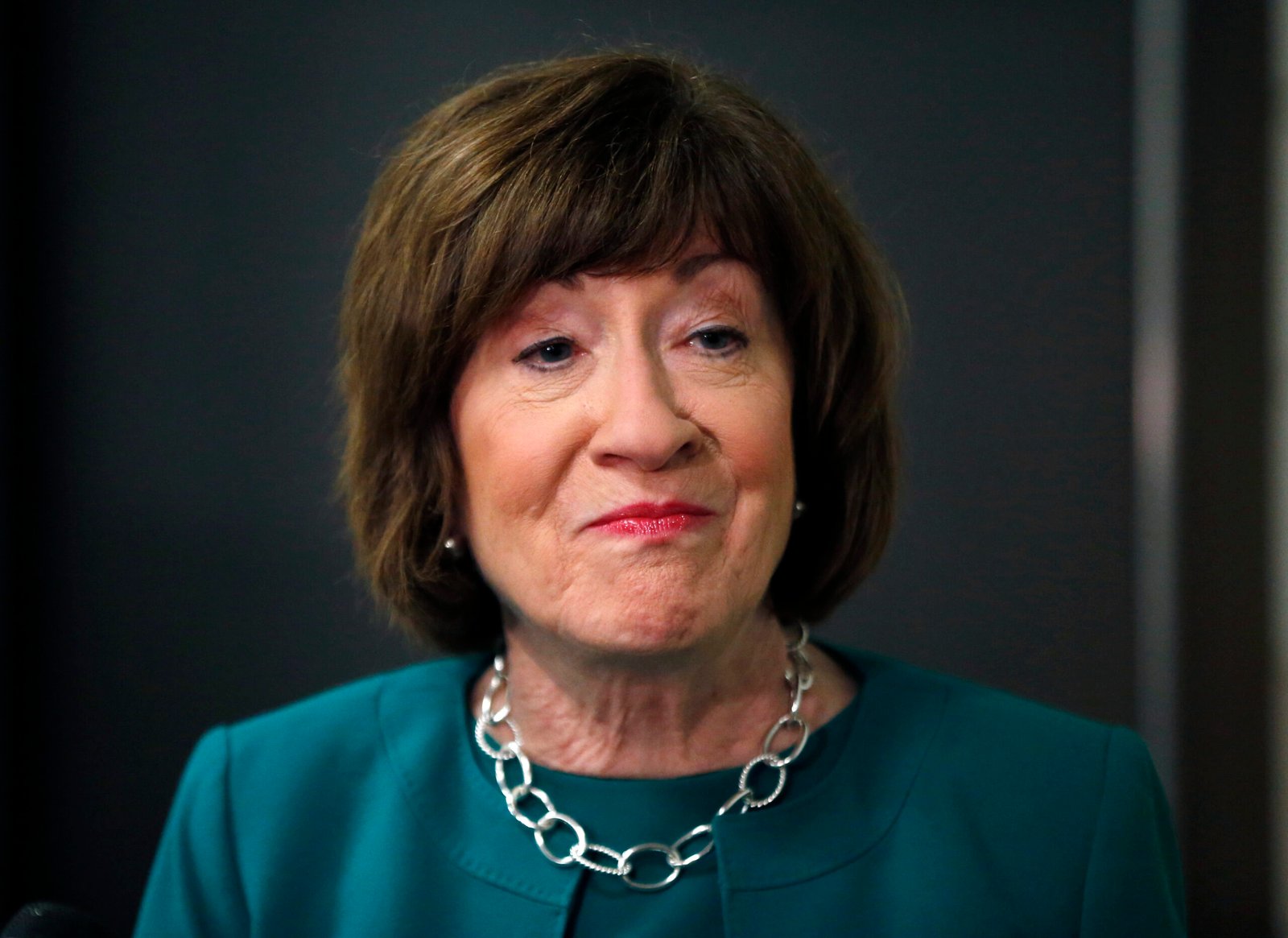
The debate over Pentagon funding has placed renewed attention on Senator Susan Collins and her role in shaping federal defense spending. The Pentagon funding debate centers on how Congress should approve military appropriations while lawmakers face growing political divisions ahead of the next budget cycle.
Collins serves as chair of the Senate Appropriations Committee and also sits on the Senate Select Committee on Intelligence. She is also a member of the Senate Committee on Health, Education, Labor and Pensions. Her committee assignments place her at the center of negotiations over federal spending and national security priorities.
As Appropriations Committee chair, Collins works closely with Senate Armed Services Committee Chairman Senator Roger Wicker on defense funding legislation. Their responsibilities include ensuring the military receives funding needed to support national defense and long-term readiness.
Collins has built a reputation for consistent participation in Senate business during her decades in office. She recently cast her 10,000th consecutive Senate roll call vote, extending an uninterrupted voting record that began in 1997. The milestone made her the first senator to reach that number without missing a single recorded vote.
Lawmakers now face decisions about funding military modernization as technology rapidly changes modern warfare and intelligence operations. Budget discussions include investments in ships, submarines, the B-21 bomber, cyber capabilities, and other defense systems. Congress must also address immediate security needs while preparing for future strategic challenges.
The article argues that Collins will play an important role as lawmakers debate funding priorities during a politically divided period. It says Congress must balance current military operations with long-term investments in emerging technologies and national defense capabilities.
The discussion also highlights ongoing security concerns involving Iran and China. It states lawmakers must consider immediate military requirements while addressing China’s expanding military capabilities under President Xi Jinping.
The opinion piece notes that Collins faces these responsibilities during an election year. It also references her Democratic challenger, Graham Platner, describing him as a self-described communist. The article argues that the election could affect Collins’ continued influence within the Senate and the appropriations process.
Congress must soon determine how to proceed with defense spending for fiscal year 2027 and beyond. The Senate Armed Services Committee is responsible for drafting the National Defense Authorization Act, which establishes defense policy and spending priorities. However, lawmakers must still approve appropriations before funding becomes available.
The article states that many senators prefer following the traditional legislative process. That approach includes committee hearings, bill markups, and negotiations between the House and Senate before final passage. It argues that political disagreements could make completing that process more difficult this year.
According to the opinion piece, Senate Minority Leader Chuck Schumer may oppose Republican efforts during upcoming budget negotiations. It claims that partisan disagreements could contribute to a government shutdown before the midterm elections. Those statements reflect the author’s perspective rather than established fact.
The article also argues that relying on continuing resolutions creates uncertainty for military planning. It says repeated short-term funding measures make it more difficult for the Defense Department to prepare for evolving threats and long-term procurement programs.
The opinion piece further contends that future election results could significantly influence defense spending decisions. It argues that Democratic majorities would reduce military funding while prioritizing other domestic spending proposals. Those claims represent the author’s political opinion.
The Pentagon funding debate also includes discussion of using the budget reconciliation process instead of the standard appropriations procedure. The article argues that Republican senators, including Collins, Roger Wicker, John Thune, Lindsey Graham, and Tom Cotton, should consider reconciliation if regular legislative procedures fail.
Budget reconciliation allows Congress to advance certain tax and spending legislation under different procedural rules. The opinion piece suggests that approach could provide stable defense funding if lawmakers cannot reach bipartisan agreement through the traditional appropriations process.
The article also recalls Collins’ previous work with then-Senator Marco Rubio on the Paycheck Protection Program during the CARES Act negotiations in 2020. It cites that effort as an example of using major legislative procedures during periods of national urgency.
The Pentagon funding debate remains closely tied to broader discussions about defense policy, congressional procedure, and future federal spending decisions. Lawmakers will continue weighing legislative options as negotiations over the next defense budget move forward.