
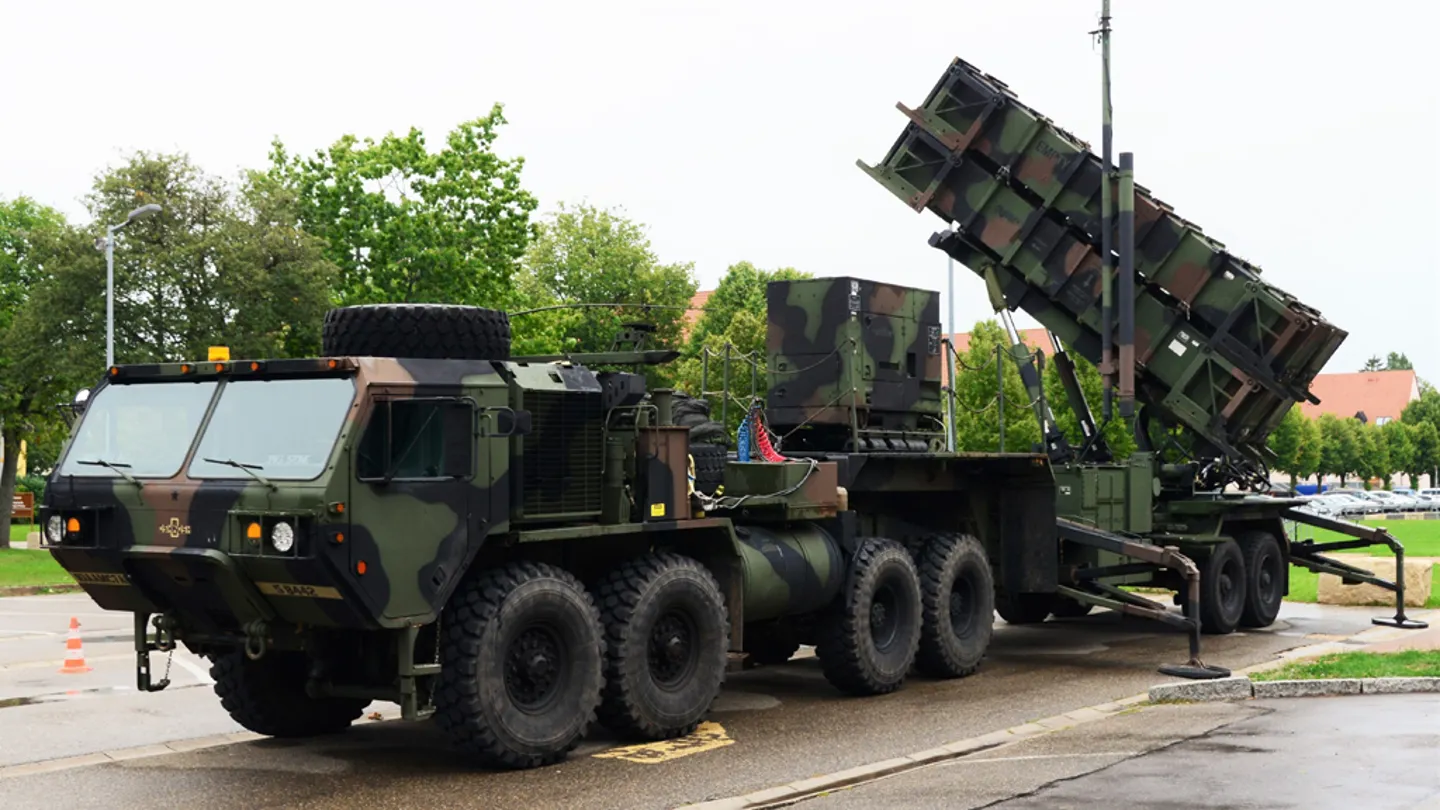
Missile stockpiles have become a growing concern for U.S. defense planners following years of intense combat. The Pentagon now plans a major expansion of interceptor purchases as officials confront depleted inventories. Meanwhile, concerns about China’s expanding missile capabilities have added urgency to efforts strengthening America’s air defenses.
The Army’s fiscal 2027 budget proposes dramatically increasing purchases of Patriot PAC-3 MSE and THAAD interceptors. Those systems form important layers of protection against ballistic missiles threatening American forces and strategic facilities. However, expanding procurement will require substantial funding, manufacturing capacity, specialized components, and sustained support from defense contractors.
The shift marks a significant departure from recent procurement levels, which remained relatively modest despite growing international missile threats. Army records show purchases of PAC-3 MSE interceptors declined from 328 missiles during fiscal 2022. Procurement then dropped to 252 missiles in fiscal 2023 and reached 214 during fiscal 2025.
The Army’s fiscal 2026 request represented an initial increase, seeking funding for approximately 320 PAC-3 MSE missiles. However, officials later raised the acquisition objective dramatically, reaching 13,773 missiles as military planners reassessed requirements. That figure represents a substantial increase compared with earlier procurement objectives.
The Pentagon’s experience across several recent conflicts has contributed to the renewed focus on interceptor supplies. American forces and allies have relied heavily on sophisticated air-defense systems during missile-intensive confrontations. Consequently, military planners now face the difficult task of replacing expensive weapons while preparing for potential future conflicts.
Retired Rear Adm. Mark Montgomery has argued that the current shortage reflects decades of insufficient ammunition purchases. According to defense analysts, policymakers repeatedly faced difficult choices involving military priorities, available funding, and competing modernization programs. Therefore, officials must now balance immediate replenishment with longer-term investments in manufacturing capacity.
PAC-3 MSE interceptors provide shorter-range protection against incoming ballistic missiles and other threats. THAAD systems operate at higher altitudes and provide another defensive layer against ballistic missile attacks. Together, these systems can help protect military bases, personnel, infrastructure, and other critical targets.
However, increasing orders does not immediately replenish American inventories. Advanced interceptors require specialized factories and extensive networks of suppliers producing motors, guidance equipment, seekers, and other components. Furthermore, expanding those industrial capabilities can take years rather than months.
The Army’s fiscal 2027 proposal also calls for a substantial increase in THAAD production. The request supports 857 interceptors through a combination of regular funding and additional munitions-related financing. That increase demonstrates how military planners have shifted toward accelerating production after recent battlefield demands.
Nevertheless, Congress must approve the necessary funding before the proposed expansion can become reality. Defense companies must also expand manufacturing lines and secure enough workers, suppliers, equipment, and raw materials. Therefore, the Pentagon’s plans represent the beginning of a lengthy effort rather than an immediate solution.
The concern extends beyond replenishing weapons used during the Iran conflict. Defense planners increasingly focus on China, whose large missile arsenal could create significantly greater demands during a major Indo-Pacific conflict. American forces could face sustained missile attacks against bases, ships, aircraft, and other military infrastructure.
Analysts say such a scenario would require significantly deeper inventories than current estimates indicate. One defense assessment estimates that the United States could need thousands of additional PAC-3 MSE and THAAD interceptors. However, exact American inventory levels remain classified, preventing the public from determining the precise size of the shortfall.
China’s growing missile capabilities therefore create additional pressure for Washington to strengthen production capacity. At the same time, military leaders must prepare for other global threats that could consume American munitions. As a result, missile stockpiles now occupy a much more prominent position within broader defense planning.
The Pentagon’s new approach ultimately reflects lessons from recent conflicts and concerns about future warfare. Yet rebuilding America’s interceptor reserves will require consistent congressional funding and years of industrial expansion. For now, the proposed procurement surge signals a strategic effort to ensure U.S. forces possess enough defensive weapons for prolonged conflicts.