
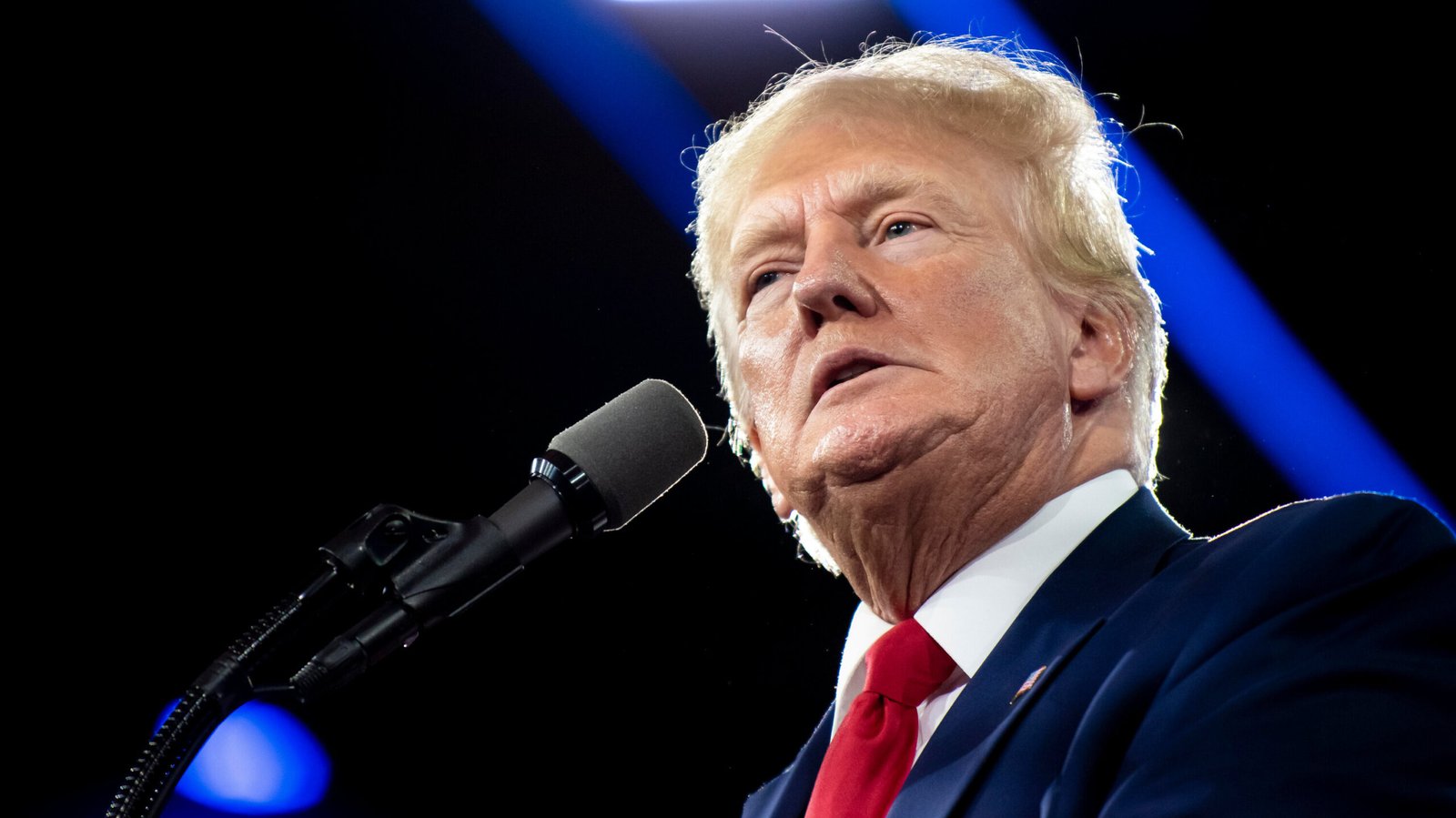
President Trump advances government investment policy while reviewing Spirit Airlines’ decision and broader strategy today. Officials examined Spirit Airlines’ situation as federal discussions continued over corporate participation and restructuring options.
Administration leaders compared the airline case with technology sector investments involving multiple large American companies today. Supporters argued that government participation improves economic security and strengthens supply chain resilience in the overall framework nationwide.
Critics raised concerns about market distortion and long-term efficiency impacts across industries debate continues. Officials emphasized job protection and national competitiveness goals within the evolving industrial policy discussions within an ongoing framework.
Spirit Airlines entered financial distress after fuel costs rose and operations weakened significantly in the recent period. Negotiators explored restructuring options but failed to reach an agreement before the airline closure occurred in the final stage.
Government investment discussions influenced broader debates about federal roles in private industry sectors’ policy direction. Analysts reviewed global comparisons and noted varying approaches to state involvement in the international view.
Some experts linked industrial strategy to competition with China, economic security priorities, and strategic planning. Government investment expanded as policymakers considered equity stakes in strategic national companies during this period.
Officials stated approach aims to strengthen domestic production and long-term resilience policy continues forward. Republican lawmakers expressed mixed opinions regarding federal ownership expansion in companies across the current economic debate.
Some legislators supported targeted investment, while others preferred limited government involvement, and overall ongoing discussion point. Economists noted debate about the risks and benefits of government participation in the economic policy review.
Observers tracked international responses as countries evaluated similar industrial policies globally comparative economic strategy analysis. Financial markets reacted cautiously while investors assessed potential long-term outcomes. Market sentiment remains cautious.
Government officials continued evaluating policy tools for industrial support and investment future economic planning framework. The government investment debate continues as policymakers assess long-term industrial strategy and national policy focus.
Industry leaders expressed interest in clearer rules governing federal ownership decisions, and regulatory clarity discussions are ongoing. Policy analysts recommended formal frameworks to guide future investment and participation structured governance policy approach.
The situation highlights the ongoing evolution of economic policy in modern governance systems continued policy shift. Overall developments indicate continued debate about the government’s role in shaping the national industries’ ongoing assessment phase.

