
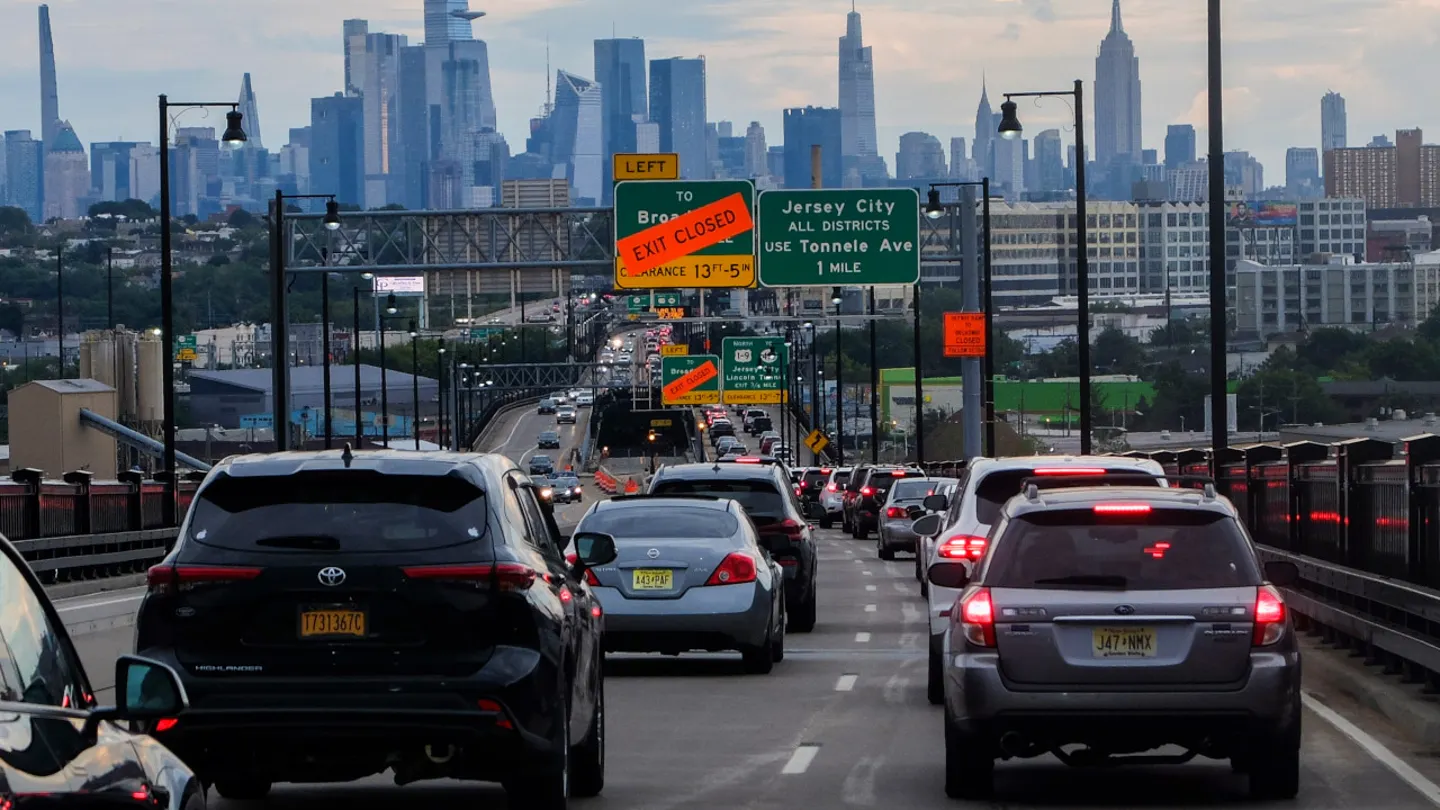
Air Quality in Manhattan showed no statistically significant improvement during the first year of New York City’s congestion toll.
The $9 charge reduced traffic entering the designated Manhattan zone, yet pollution levels remained largely unchanged.
According to a city health analysis, researchers examined several traffic-related pollutants across the congestion pricing area.
However, officials found insufficient evidence connecting the toll directly with measurable improvements in overall pollution.
The congestion program began in January 2025, charging drivers entering Manhattan below 60th Street during designated periods.
During peak weekday hours, E-ZPass customers generally pay the daily $9 charge when entering the zone.
Meanwhile, drivers entering during designated off-peak periods face a substantially lower charge of $2.25.
Those without E-ZPass can also encounter higher toll-by-mail charges depending on their payment arrangements.
Despite the limited environmental improvement, city officials highlighted several other effects associated with congestion pricing.
For example, traffic levels declined by approximately 11% following the toll’s introduction across the affected Manhattan area.
Additionally, officials pointed to faster journeys, improved public transportation, reduced noise, and fewer traffic disruptions.
Nevertheless, the health department’s findings indicate that those changes have not produced measurable overall pollution reductions.
One important factor involves the relatively small contribution vehicles make to New York City’s overall pollution.
City officials estimate that transportation sources account for approximately one-tenth of the city’s pollution.
Consequently, reducing the number of vehicles alone may not substantially change broader urban pollution levels.
Instead, several other sources contribute significantly to emissions across the densely developed city environment.
New York’s extensive building stock represents one major source of emissions affecting the city’s environment.
Many buildings rely on fuel systems for heating and producing hot water throughout colder months.
Furthermore, restaurants and electricity-generating facilities contribute additional emissions across the metropolitan area.
Therefore, transportation reductions may produce noticeable neighborhood benefits without dramatically changing citywide pollution measurements.
The findings could nevertheless intensify criticism surrounding the financial burden placed on drivers and businesses.
Opponents argue that commuters, small businesses, and working families continue paying for limited environmental returns.
Meanwhile, supporters maintain that congestion pricing delivers broader transportation benefits beyond changes in measured pollution.
They also argue that toll revenue provides important funding for public transit improvements throughout New York City.
Governor Kathy Hochul has previously defended the program as an important transportation and environmental initiative.
She has argued that congestion pricing can reduce gridlock while supporting safer streets and cleaner urban conditions.
However, the latest findings provide critics with new evidence challenging some of those environmental claims.
As a result, the debate increasingly centers on whether transportation improvements justify the program’s financial costs.
The congestion program has also become part of a broader political dispute over transportation policy.
President Donald Trump and Transportation Secretary Sean Duffy have criticized the toll since its implementation.
The administration previously attempted to challenge federal approval for the congestion pricing program.
However, a federal judge later rejected that effort, allowing the tolling system to continue operating.
For now, the program remains active despite the limited environmental changes documented during its first year.
Traffic has fallen, while city officials continue promoting public transit investment funded through congestion pricing revenues.
At the same time, researchers will likely continue monitoring pollution levels across Manhattan and surrounding neighborhoods.
Future measurements could determine whether longer-term changes eventually produce stronger environmental effects than currently observed.
Air Quality remains one of the central issues surrounding the future of congestion pricing.
The first-year results show that reducing traffic does not automatically translate into measurable citywide pollution improvements.
Therefore, policymakers may need broader environmental strategies addressing buildings, energy production, restaurants, and transportation simultaneously.
For drivers, however, the $9 charge remains an immediate financial cost with continuing political consequences.