
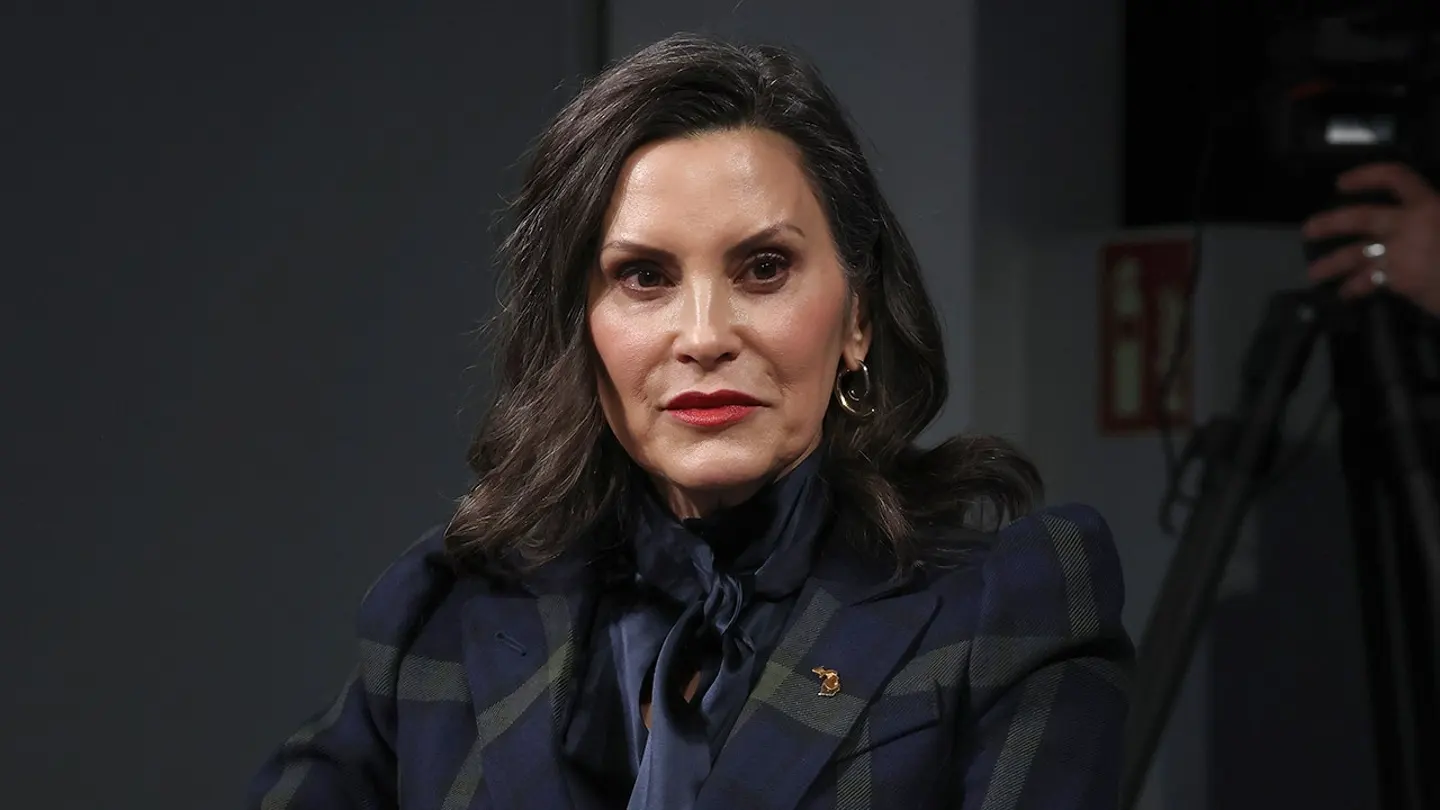
Michigan Senate Primary entered a new phase after Gov. Gretchen Whitmer publicly endorsed Democratic nominee Abdul El-Sayed following his narrow primary victory. Meanwhile, Democratic leaders shifted their attention toward the upcoming general election as they emphasized party unity across Michigan.
Gov. Gretchen Whitmer congratulated Abdul El-Sayed and other Democratic nominees after voters finalized primary election results across the state. Although she supported Rep. Haley Stevens during the competitive primary campaign, Whitmer pledged her full support behind the party’s nominees moving forward. Furthermore, she encouraged Democrats to unite before the general election and focus on winning statewide contests in November.
Whitmer also praised Democratic candidates who secured victories in races across Michigan during the primary election. Additionally, she stressed the importance of working together to advance shared priorities and strengthen the party’s position before voters return to the polls. Her message reflected a broader effort to unify Democrats after several closely contested nomination battles.
The Michigan Senate Primary remained highly competitive as Abdul El-Sayed defeated Haley Stevens by a narrow margin of approximately one percentage point. Consequently, the closely watched contest attracted significant attention from political observers because the outcome could influence the balance of power in the U.S. Senate. Election officials completed vote counting before confirming El-Sayed as the Democratic nominee.
Following the certified results, Haley Stevens publicly congratulated El-Sayed and expressed support for his general election campaign. She thanked Michigan voters for participating throughout the campaign while reaffirming her commitment to supporting Democratic candidates statewide. Moreover, Stevens stated that defeating the Republican nominee remained the party’s shared objective heading into November.
El-Sayed responded by thanking Stevens for her campaign and acknowledging the effort required to compete in a statewide election. He emphasized that Democrats would now focus on common priorities rather than differences highlighted during the primary contest. Additionally, he encouraged supporters from every campaign to unite ahead of the general election.
Michigan Senate Primary now shifts toward a statewide contest between Democratic nominee Abdul El-Sayed and Republican candidate Mike Rogers. Rogers previously sought a Michigan Senate seat during the 2024 election cycle before launching another statewide campaign this year. Therefore, both parties are preparing for a closely watched race expected to attract national political attention.
Democratic leaders have increasingly emphasized party unity following several competitive primary elections across the country. Consequently, endorsements exchanged after primary contests have become an important part of strengthening support before general election campaigns begin. Whitmer’s endorsement reflected that broader strategy as party leaders sought to consolidate Democratic voters.
Political analysts expect affordability, economic policy, healthcare, and public safety to remain central issues throughout the Michigan Senate campaign. Meanwhile, candidates from both major parties continue organizing campaign events, fundraising efforts, and voter outreach before November. Each campaign will likely expand advertising and grassroots operations during the coming months.
El-Sayed enters the general election after building support among Democratic primary voters across multiple regions of Michigan. His campaign emphasized economic issues, public services, and expanding opportunities for working families throughout the state. Additionally, he continues encouraging Democratic voters to remain united after the closely contested nomination process.
Rogers now prepares to challenge El-Sayed in what many observers consider one of the nation’s most competitive Senate races. Republican organizers also continue strengthening campaign operations while emphasizing issues they believe will resonate with Michigan voters during the general election. Consequently, both campaigns are expected to increase public appearances and policy messaging.
Whitmer’s decision to immediately endorse the Democratic nominee highlighted efforts to move beyond primary competition without prolonging internal divisions. Likewise, Stevens’ public message supporting El-Sayed reinforced calls for cooperation among Democratic leaders before the statewide campaign intensifies. Those endorsements may help unify supporters who previously backed different candidates.
Michigan Senate Primary officially concluded with Democratic voters selecting Abdul El-Sayed as their nominee after a closely contested election. As both parties prepare for November, campaign strategies will increasingly focus on persuading independent voters while energizing existing supporters across Michigan. Therefore, political attention will remain fixed on one of the nation’s most closely monitored Senate contests throughout the remainder of the election season.

