
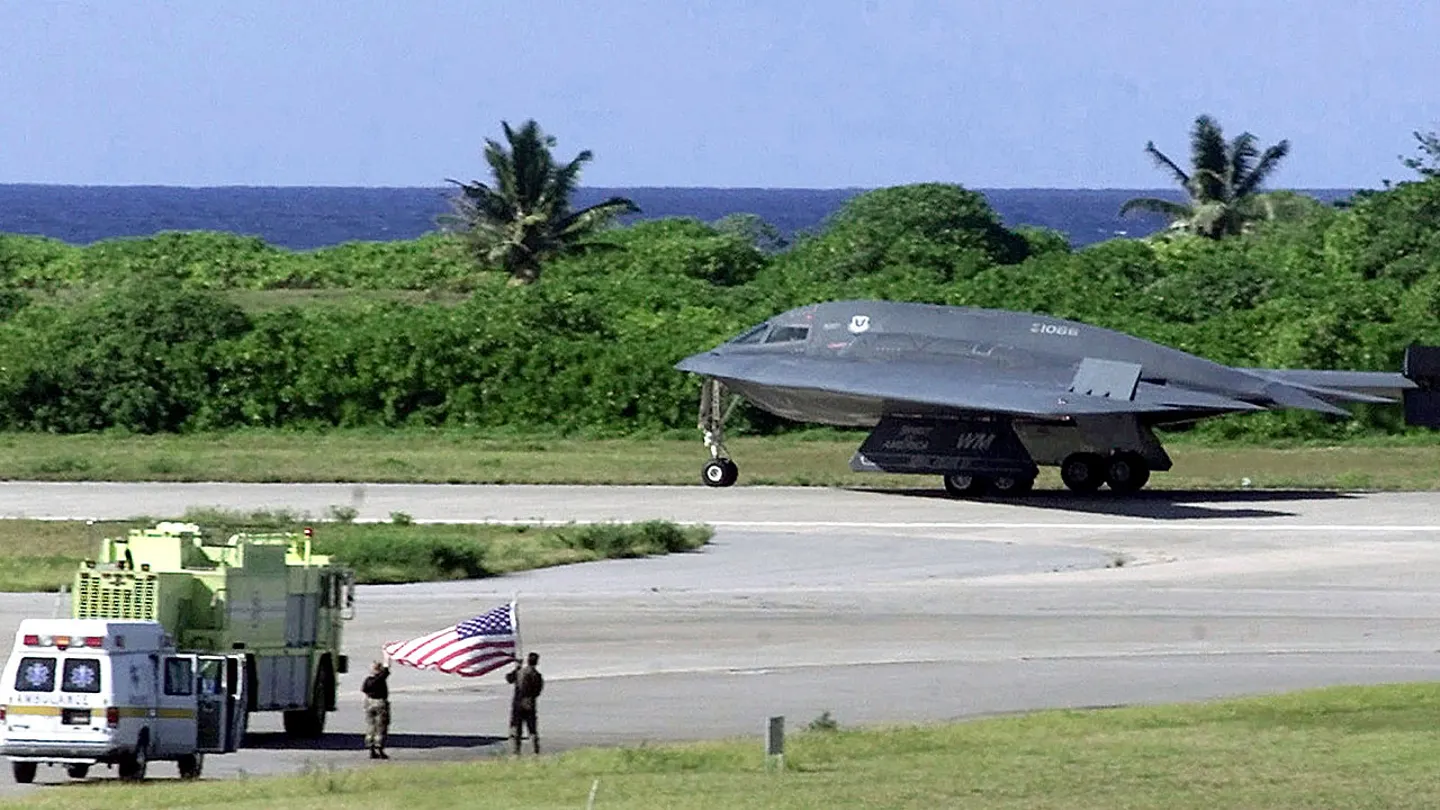
Strategic base Diego Garcia has gained renewed attention as American forces adjust military logistics during the Iran conflict. The remote installation sits within the Chagos Archipelago, deep in the Indian Ocean. Moreover, its location provides American forces with an alternative to installations closer to Iran. Recent attacks have therefore highlighted the facility’s continuing value for regional military operations.
James Tumbridge, an international lawyer representing a self-described Chagossian government-in-exile, described the installation as essential. He argued that recent developments demonstrate why Washington continues to value the remote military facility. According to Tumbridge, the base supports security interests involving Britain, America, and their regional allies.
The United States has reportedly shifted portions of its wartime logistics network toward Diego Garcia. Consequently, American forces can reduce their reliance on facilities that remain vulnerable to Iranian missile attacks. However, moving supplies across longer distances also creates additional transportation demands for military planners.
The shift followed Iranian attacks against American military facilities elsewhere in the region. Therefore, the Indian Ocean installation has assumed greater importance for supporting operations farther west. Its considerable distance from Iran also provides American planners with another logistical option.
At the same time, the facility remains connected to an ongoing sovereignty dispute. Mauritius claims sovereignty over the wider Chagos Archipelago, while Britain has historically administered the territory. Meanwhile, Washington has maintained a longstanding military presence on Diego Garcia through an agreement with Britain.
Britain and Mauritius reached an agreement in 2025 concerning sovereignty over the Chagos Islands. Under that arrangement, Britain would transfer sovereignty while retaining control of the military facility initially. However, implementation later faced delays amid American concerns surrounding the proposed sovereignty arrangement.
Tumbridge argued that transferring sovereignty could complicate future decisions involving American military operations. He maintained that Washington would prefer continued access without requiring approval from another government. Nevertheless, the sovereignty question remains separate from the installation’s immediate operational role.
Mauritius has pursued its sovereignty claim for decades and received international backing for its position. In 2019, the International Court of Justice issued an advisory opinion concerning Britain’s administration. Subsequently, United Nations action further increased international pressure surrounding the territorial dispute.
Meanwhile, Iranian forces have also attempted to target the remote installation during the conflict. Reports indicated that two ballistic missiles traveled toward the facility earlier this year. One missile reportedly failed during flight, while another faced interception by American defensive systems.
British officials later said one missile fell short while American defenses intercepted the other. Despite those incidents, officials have continued assessing the facility’s security and operational importance. Furthermore, Tumbridge argued that the attacks demonstrated limitations within Iran’s targeting capabilities.
The renewed attention comes as American naval forces continue extended deployments across the region. The USS Abraham Lincoln has spent months supporting American operations in the broader Middle East. Meanwhile, American commanders have prepared additional carrier movements to maintain regional military capabilities.
President Donald Trump recently confirmed that another aircraft carrier would move toward the region. The deployment would eventually provide relief for forces currently operating after an extended mission. Consequently, American planners face continuing demands involving personnel, supplies, ships, aircraft, and regional bases.
The developments have also renewed debate surrounding the future of the Indian Ocean facility. For American military planners, its distance offers advantages despite the logistical challenges involved. For Britain and Mauritius, however, its future remains connected to a larger sovereignty dispute.
Overall, the conflict has placed greater attention on the facility’s role in American strategy. At the same time, its importance could influence future discussions surrounding territorial control and military access. For now, American operations continue relying on multiple regional facilities and long-distance logistical routes.

