Michigan Primary has become one of the most closely watched political contests of the 2026 election cycle. The competitive Senate race highlights growing divisions within the Democratic Party while Republicans also test the strength of President Donald Trump’s endorsements in several key statewide contests.
Michigan voters head to the polls as Democrats decide their nominee for an important U.S. Senate seat. Furthermore, political observers view the contest as a defining moment for the party’s future direction. The outcome could influence campaign strategies in competitive races across the country.
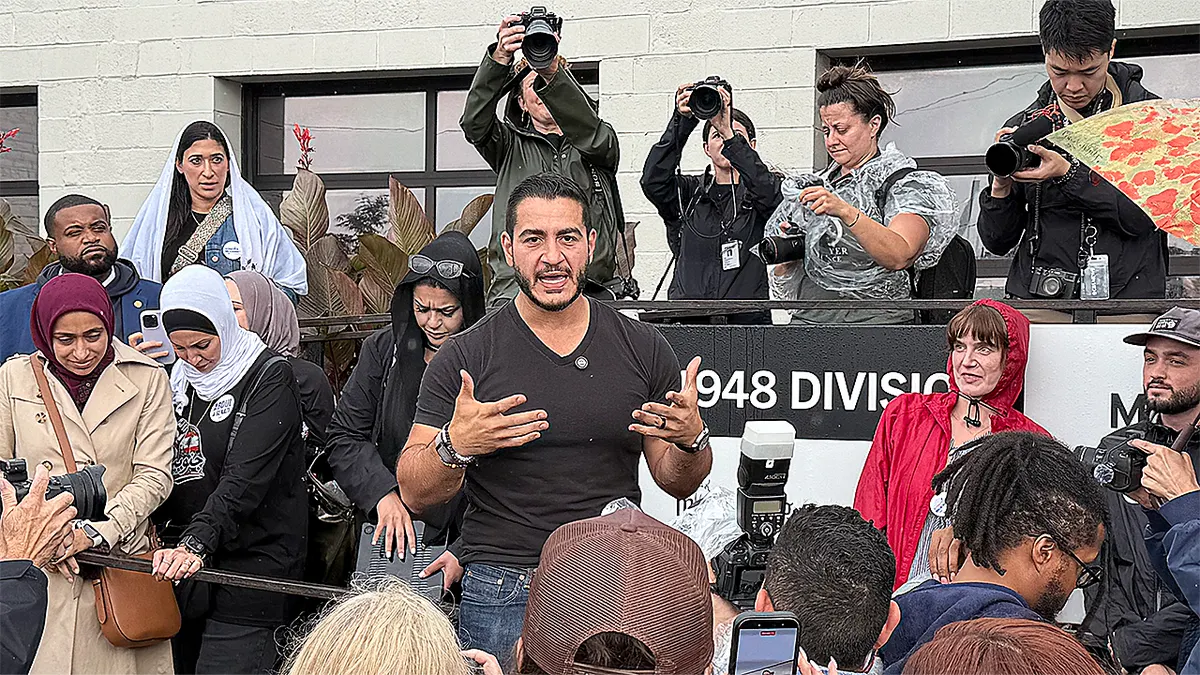
The Democratic primary features former Wayne County Health Department director Abdul El-Sayed and Representative Haley Stevens. Both candidates seek to replace retiring Senator Gary Peters in a race carrying major national significance. Additionally, Democrats consider the seat essential to their efforts during the upcoming midterm elections.
Michigan Primary also reflects broader disagreements between progressive activists and more moderate Democratic leaders. Progressive organizations have celebrated several recent victories in congressional primaries across traditionally Democratic districts. Consequently, supporters hope to extend that momentum into another high-profile statewide contest.
El-Sayed promotes progressive healthcare proposals and has campaigned on broader structural reforms throughout his statewide campaign. He also pledged not to accept political action committee contributions during his Senate campaign. Supporters argue his platform offers voters a different direction for the Democratic Party.
Stevens has received endorsements from several prominent Democratic officials at both state and national levels. Her supporters argue she has demonstrated success in competitive elections and appeals to a broader group of voters. They also believe her campaign offers the strongest opportunity to retain the Senate seat.
Campaign spending has reached historic levels as outside organizations invest heavily in the competitive nomination battle. Consequently, the contest has become one of the most expensive Democratic Senate primaries on record. Both campaigns have criticized the influence of outside spending throughout the election.
The winner will advance to face former Representative Mike Rogers in the general election this November. Rogers has secured support from President Donald Trump and remains the leading Republican candidate. He has repeatedly expressed confidence about defeating either Democratic nominee in the statewide election.
Democratic candidates have nevertheless emphasized the importance of party unity after the primary concludes. Both campaigns acknowledged the importance of presenting a united front before the general election campaign begins. Party leaders also expect supporters to shift their focus toward the November contest.
Michigan Primary extends beyond the Senate race and includes several closely watched congressional contests. In Michigan’s Seventh Congressional District, progressive and moderate Democrats continue competing for their party’s nomination. The eventual nominee will challenge Republican Representative Tom Barrett in the general election.
Another significant Democratic contest unfolds in Michigan’s heavily Democratic Thirteenth Congressional District. Representative Shri Thanedar faces a challenge from state Representative Donovan McKinney in another ideological contest. Progressive lawmakers and organizations have lined up behind McKinney during the campaign.
Similar political divisions also appear in Missouri, where Representative Wesley Bell faces former Representative Cori Bush. Their rematch continues the broader debate between progressive and establishment Democratic candidates across multiple states. Political analysts consider these races important indicators of future party leadership.
Republicans also face important statewide contests testing President Trump’s influence within the party. Michigan voters will decide the Republican gubernatorial nomination between Representative John James and businessman Perry Johnson. The winner will compete in the general election to succeed Governor Gretchen Whitmer, who cannot seek another term.
Kansas Republicans also vote in a competitive gubernatorial primary featuring several candidates seeking the nomination. President Trump has endorsed State Senate President Ty Masterson in that closely watched contest. Meanwhile, additional congressional and legislative primaries continue across Washington State and Virginia.
Michigan Primary remains one of the most significant contests of the election season because its outcome could influence Senate control and future Democratic leadership. The results may also shape campaign strategies for both major parties as they prepare for the highly competitive general election.