
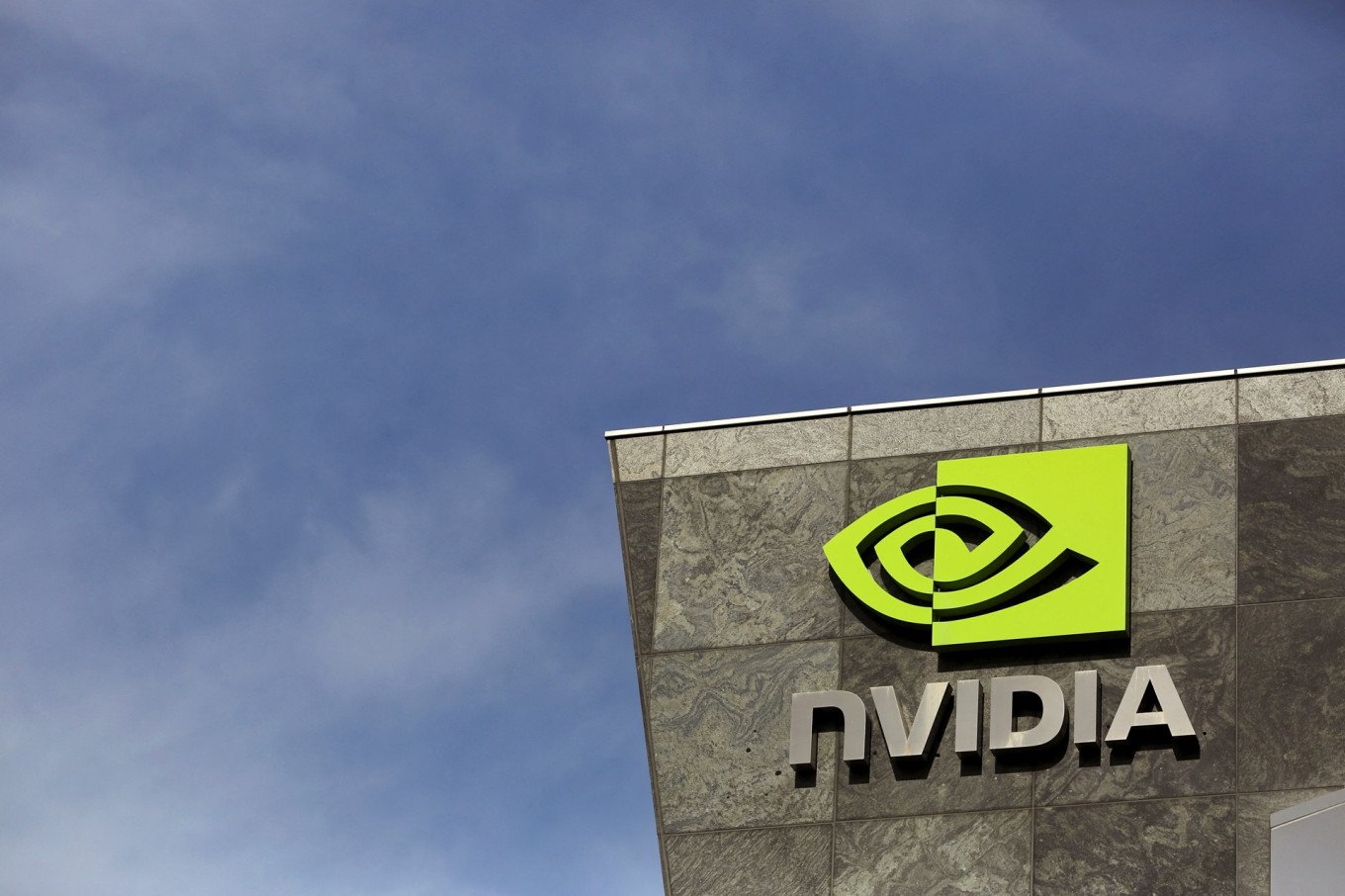
The AI Manufacturing Boom is becoming a major focus as Nvidia expands its artificial intelligence strategy into American factories. The company believes advanced AI systems could strengthen manufacturing, create jobs, and transform industrial production across the United States.
NVIDIA, a leading developer of advanced computer chips, is investing heavily in the infrastructure needed to support future AI systems. The company recently announced a major partnership connected to a manufacturing facility in Texas. The project aims to increase the production of specialized components that help powerful computer systems communicate faster and operate more efficiently.
The Texas facility represents a significant test for Nvidia’s broader vision. Company leaders believe artificial intelligence can become a tool that supports workers instead of replacing them. Therefore, the expansion will show whether AI technology can deliver new employment opportunities while improving factory performance.
The upgraded facility will produce materials used in advanced optical technology. These components allow multiple computer chips to work together as one powerful system. Consequently, manufacturers can access faster computing capabilities while reducing energy consumption and improving operational efficiency.
NVIDIA has grown beyond its original role as a chip producer. The company now focuses on creating complete AI systems designed for businesses and industrial applications. As a result, executives see artificial intelligence infrastructure as a foundation for a new era of manufacturing.
Furthermore, the company believes domestic production can help strengthen supply chains. NVIDIA has increased its focus on U.S. manufacturing locations, including major operations connected to chip production and assembly. This approach aims to create a more reliable technology ecosystem within the country.
The Texas project also highlights cooperation between private companies and government programs. Officials from different administrations have supported semiconductor and technology investments designed to increase domestic production. Additionally, the expansion is expected to create thousands of construction, engineering, and technical positions.
The factory project could add around one thousand jobs, including many advanced manufacturing roles. Company executives expect the expansion to significantly increase production capacity and support rising demand for AI technology. Therefore, the facility has become an example of how AI investment may influence future employment patterns.
The AI Manufacturing Boom also raises broader questions about technology’s impact on society. While artificial intelligence offers opportunities for economic growth, some experts remain concerned about energy demands, workforce disruption, and national security challenges. However, supporters argue that AI can help companies become more productive and competitive.
Researchers and economists have suggested that large technology investments could significantly increase AI’s contribution to the U.S. economy. As adoption expands, businesses may use AI systems to improve operations, develop products, and bring more manufacturing activity back domestically.
NVIDIA’s strategy reflects a wider shift toward integrating artificial intelligence with physical industries. The company aims to provide the computing power needed for factories of the future. Ultimately, the AI Manufacturing Boom will depend on whether these investments successfully create growth, improve productivity, and deliver meaningful benefits for American workers.

