
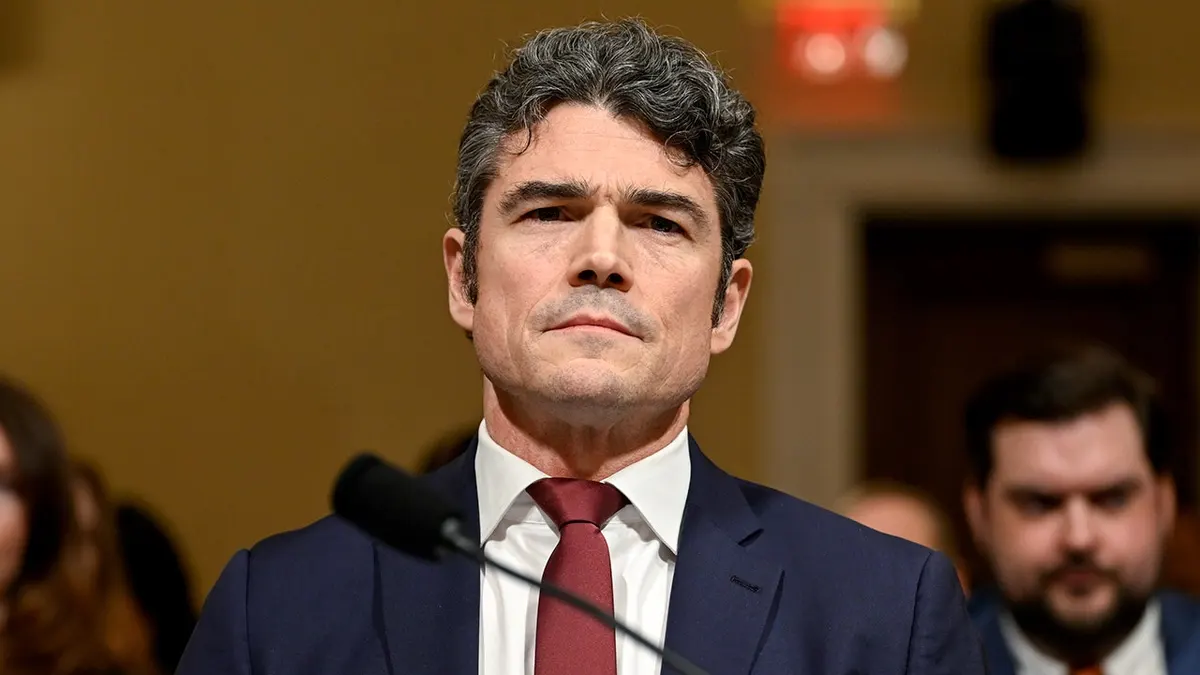
US Troop Withdrawal returned to the center of national security discussions after former National Counterterrorism Center Director Joe Kent renewed his call for American forces to leave the Middle East. He argued that withdrawing military personnel would reduce the risk of additional casualties as tensions with Iran continue rising.
Kent made the remarks following reports of recent attacks involving U.S. military personnel stationed in the region. Consequently, he urged American leaders to remove troops before further violence places additional service members at risk.
In a public statement, Kent argued that immediate action could help prevent a large-scale attack against American forces. Furthermore, he said current conditions make continued deployments increasingly dangerous as regional tensions remain elevated.
His comments followed announcements from U.S. Central Command regarding recent military casualties connected to ongoing operations in the Middle East. Officials reported the deaths of American service members and confirmed that recovery efforts continued after an Iranian attack in Jordan.
Military officials also stated that search teams recovered unidentified remains from the attack site during ongoing operations. However, authorities explained that forensic examinations remain underway before confirming the identities of those recovered.
Separately, military officials reported that another U.S. service member died during operations in northern Iraq. According to official statements, the incident occurred while personnel carried out a controlled detonation involving unexploded ordnance from a downed Iranian attack drone.
Officials also confirmed that another service member suffered minor injuries during the same operation. Medical personnel provided treatment, and authorities reported that the injured individual continues receiving appropriate care.
US Troop Withdrawal has remained one of Kent’s most consistent policy positions since leaving government service earlier this year. He resigned from his leadership role because he opposed the administration’s military approach toward Iran.
Following his resignation, Kent publicly argued that Iran did not present an immediate threat to the United States before the conflict began. Additionally, he claimed outside political pressures significantly influenced decisions that ultimately expanded military involvement.
Kent has repeatedly maintained that reducing the American military presence would decrease opportunities for further attacks against U.S. personnel. Therefore, he believes withdrawal represents a strategic adjustment rather than a retreat from national security responsibilities.
He also argued that military bases across the region have become increasingly vulnerable under modern battlefield conditions. Consequently, he suggested removing troops and military infrastructure would reduce potential targets available to hostile forces.
Kent further proposed pairing a military withdrawal with diplomatic negotiations aimed at easing regional tensions. Specifically, he suggested sanctions relief could become part of future discussions if Iran guarantees freedom of navigation through the Strait of Hormuz.
According to Kent, combining military repositioning with diplomatic engagement could encourage greater regional stability over time. However, he acknowledged that such negotiations would require significant political commitment from multiple governments.
Meanwhile, military operations across the region continue as American forces respond to ongoing security threats. Defense officials have continued monitoring developments while maintaining military readiness throughout several strategic locations.
The conflict has intensified debate among policymakers regarding America’s long-term military strategy in the Middle East. Some leaders support maintaining a strong regional presence, while others argue changing security conditions require a different approach.
Questions surrounding troop deployments have become increasingly important as military casualties receive greater public attention. Consequently, discussions about future strategy continue across both national security and political circles.
US Troop Withdrawal also remains connected to broader debates about balancing military deterrence with diplomatic engagement. Supporters believe reducing troop levels could limit future risks, while critics argue maintaining deployments protects American interests and regional allies.
For now, government officials continue evaluating developments as military operations proceed across the region. At the same time, Kent continues urging policymakers to reconsider America’s military posture before additional violence further escalates the conflict.