Election Integrity became the center of a new political dispute after the Republican National Committee announced an unusual offer to Maine Democrats. The proposal came ahead of the party’s upcoming Senate nominating convention and immediately attracted political attention.
Instead of issuing a routine political statement, Republican officials released a letter offering election lawyers, trained observers, and additional resources. At the same time, they criticized the Democratic nomination process.
The letter targets both the Democratic National Committee and the Maine Democratic Party. Democrats are preparing to select a replacement Senate nominee after former candidate Graham Platner suspended his campaign earlier this month. His withdrawal followed allegations that prompted widespread calls for him to step aside.
Republican officials described the proposal as an effort to promote transparency throughout the convention process. However, the letter also included several sarcastic remarks directed at Democratic leaders and their previous election-related criticism.
According to the letter, the Republican National Committee offered experienced election attorneys and trained observers. It also offered election integrity specialists to assist with delegate credentialing, ballot counting, and convention procedures.
Additionally, the proposal included assistance with election law compliance and convention operations. Republican officials argued these resources could improve confidence in the nomination process.
At the same time, the letter questioned whether Democratic organizers planned to use safeguards often discussed during national election debates. Those safeguards included voter identification, residency verification, and independent observation.
Republican leaders requested clarification about those procedures before the convention begins. Furthermore, they described the request as an effort to encourage transparency rather than make formal accusations.
The letter also referenced Democratic criticism of Republican election policies during previous election cycles. Consequently, Republican officials argued Democrats should welcome similar oversight during their own nominating process.
Another section focused on the reported ban on proxy voting during the convention. Republican officials suggested that requiring delegates to vote in person highlighted the value of direct participation.
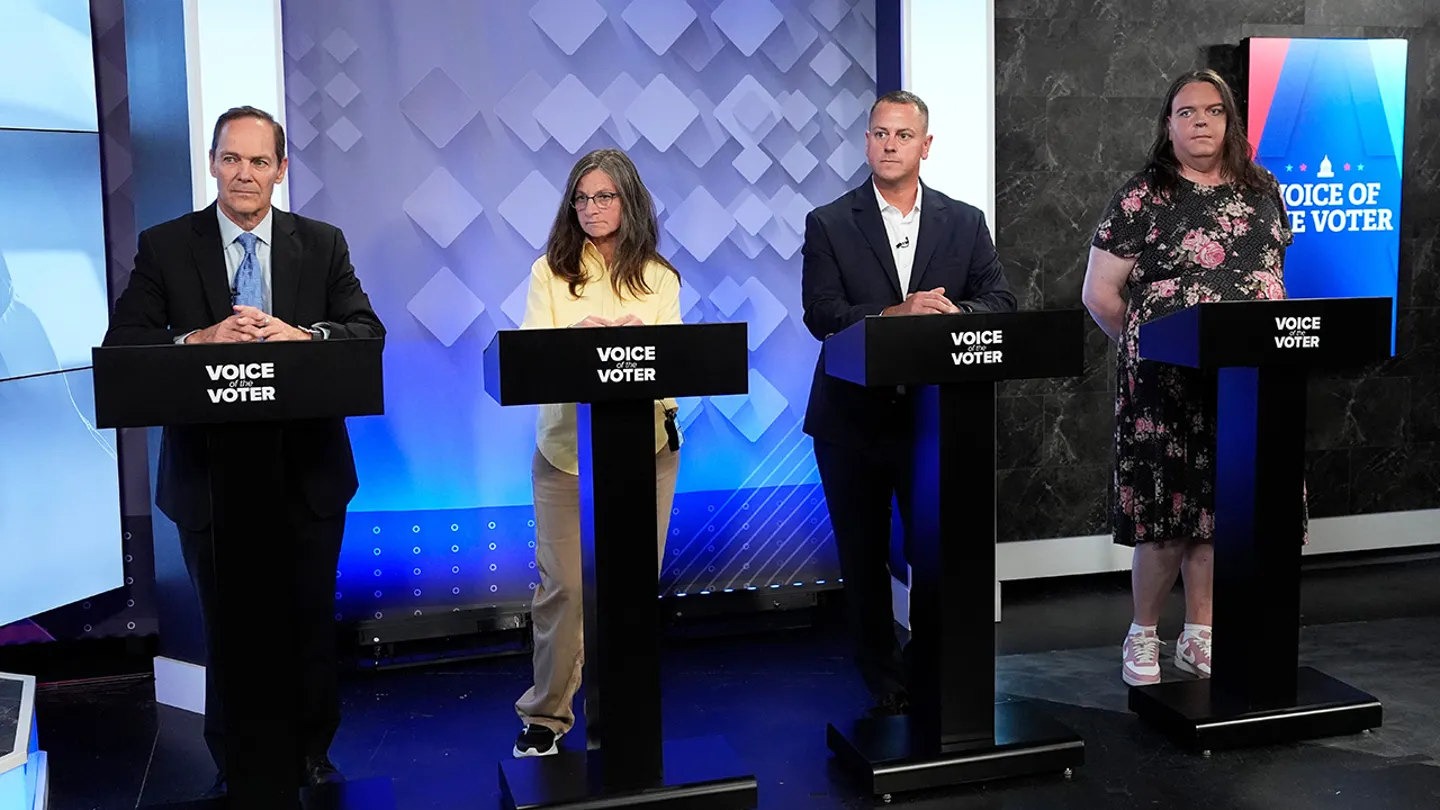
Meanwhile, Democrats continue preparing for the convention after several candidates entered the abbreviated race. Recent delegate elections strongly favored former Maine Senate President Troy Jackson.
Jackson secured overwhelming delegate support before the official convention vote. Therefore, he appears well positioned to become the Democratic nominee for the Senate race against Republican Senator Susan Collins.
Even so, delegates will formally choose the nominee during the statewide convention scheduled for next weekend. The final vote will officially determine the party’s Senate candidate.
Election Integrity also remained central because the Republican letter connected the convention with broader national election debates. Republican officials argued transparency should apply equally to party conventions and public elections.
The letter also referenced Platner’s public statements after he suspended his campaign. Before withdrawing, Platner said Democratic voters deserved an open and transparent process to select his replacement.
Republican officials cited those remarks while encouraging Democratic leaders to conduct a fair nomination process. Consequently, they argued their proposal matched Platner’s publicly stated expectations.
Another section mentioned reports about the Democratic National Committee’s financial challenges. Republican officials suggested budget concerns could make outside assistance helpful, although the comment clearly carried political criticism.
The exchange reflects increasingly aggressive political messaging before the midterm elections. Control of the Senate could depend on several closely contested races across the country.
Although Democratic leaders are unlikely to accept the proposal, the letter attracted widespread attention. It combined political satire with broader arguments about election administration and transparency.
Election Integrity continues influencing political discussions beyond traditional voting procedures. As Maine Democrats prepare for their convention, delegates will soon determine the party’s Senate nominee under growing public and political scrutiny.