
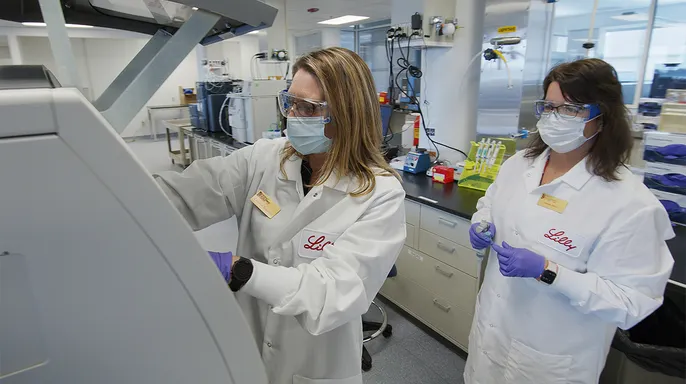
Domestic manufacturing has become a major focus of new federal efforts aimed at strengthening America’s pharmaceutical supply chain. Meanwhile, regulators are introducing new initiatives designed to increase drug production, improve supply reliability, and create thousands of skilled jobs.
Federal health officials say the United States still depends heavily on overseas facilities for manufacturing many prescription medicines. Consequently, policymakers continue searching for ways to reduce supply chain risks while expanding domestic pharmaceutical production.
According to federal data, more than 70 percent of primary manufacturing facilities supplying prescription drugs to Americans operate outside the United States. As a result, disruptions affecting foreign production can create shortages that impact patients, healthcare providers, and pharmacies across the country.
The Trump administration has promoted policies encouraging companies to build pharmaceutical manufacturing facilities within the United States. Furthermore, officials argue that expanding domestic production strengthens national security while supporting long-term economic growth.
One major initiative involves the Food and Drug Administration’s new PreCheck Pilot Program. Specifically, the program aims to reduce regulatory delays that often slow construction and approval of new pharmaceutical manufacturing facilities.
The program introduces an early readiness phase that allows companies to receive technical guidance before beginning full-scale operations. Additionally, manufacturers can address potential compliance issues sooner, reducing costly delays later in the approval process.
A second phase provides closer communication between regulators and manufacturers during application reviews. Therefore, companies can resolve manufacturing questions more efficiently while preparing facilities for regulatory inspections.
Federal officials believe this approach will improve regulatory predictability and accelerate approval timelines for qualifying facilities. Moreover, they expect the streamlined process to help bring new medicines to market more quickly.
Seven companies currently participate in the initial phase of the program, including Eli Lilly, Regeneron, Amneal, Cellares, Fujifilm Biotechnologies, Kriya Therapeutics, and Kyowa Kirin. Together, these companies plan to expand American production of medicines ranging from advanced gene therapies to commonly used intravenous medical products.
Officials expect the participating companies to create thousands of permanent positions for scientists, engineers, technicians, manufacturing specialists, and other highly skilled workers. Consequently, many communities could experience long-term economic benefits through additional employment opportunities and industrial investment.
Domestic manufacturing also remains a priority for generic medicines because those products account for the overwhelming majority of prescriptions filled nationwide. However, many generic medications currently rely on foreign production, increasing vulnerability during international supply disruptions.
In addition to the pilot program, federal regulators have proposed draft rules supporting distributed manufacturing technologies and increasing transparency surrounding foreign pharmaceutical suppliers. Likewise, officials continue reviewing additional regulatory changes that could encourage greater investment inside the United States.
Health officials also announced broader efforts to modernize pharmaceutical research and clinical development. Accordingly, they hope additional reforms will encourage companies to conduct more clinical trials and product development activities within the country.
Supporters of the strategy argue that stronger domestic production could improve medicine availability during emergencies while reducing dependence on overseas manufacturing networks. Furthermore, they believe increased investment could strengthen both healthcare preparedness and the nation’s industrial workforce.
Domestic manufacturing remains central to the administration’s broader strategy for expanding pharmaceutical production and improving supply chain resilience. Ultimately, federal officials expect these initiatives to support reliable medicine access while creating new economic opportunities across the United States.

