
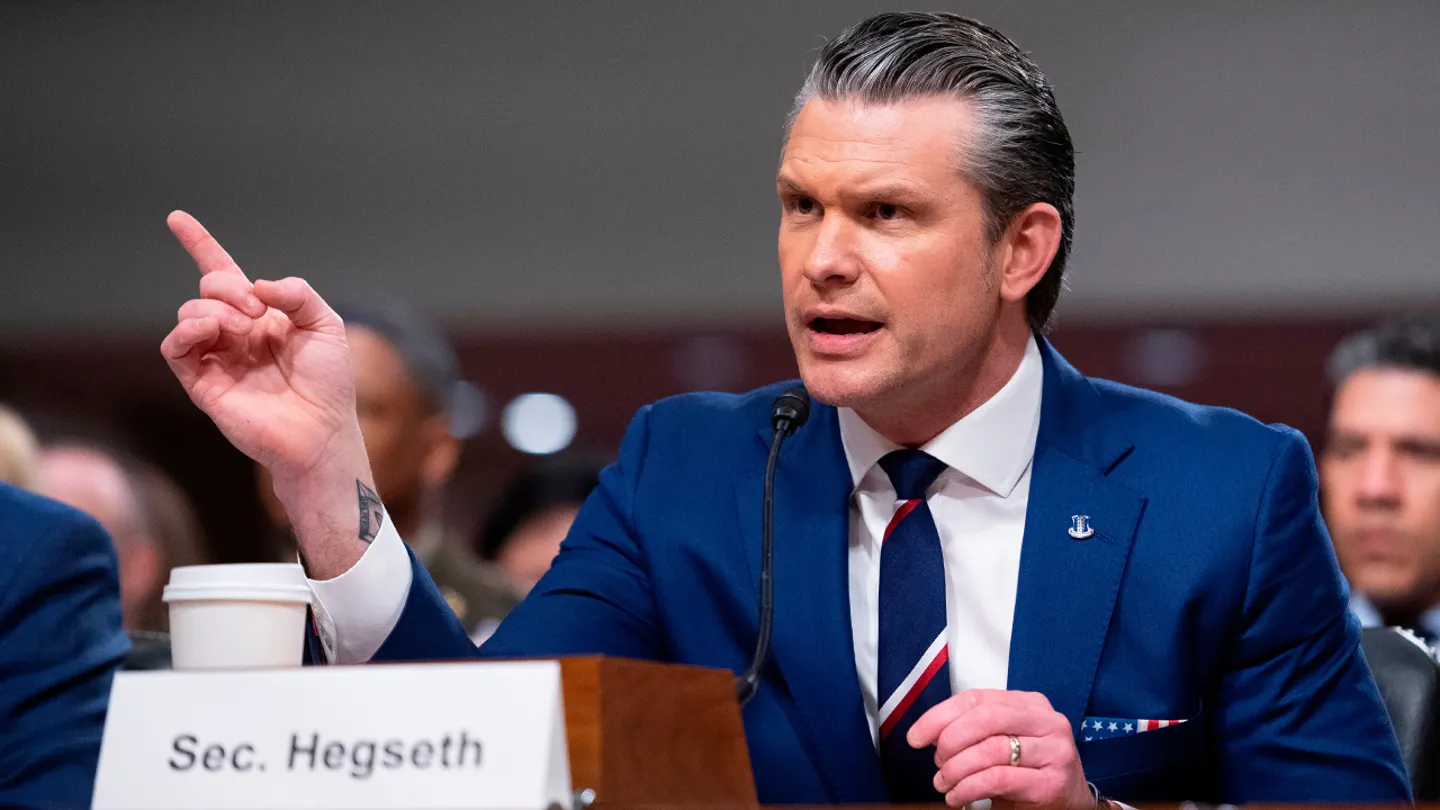
Senate Clash dominated a tense congressional hearing as Defense Secretary Pete Hegseth defended the administration’s military strategy, budget priorities, and leadership during ongoing operations involving Iran. Furthermore, lawmakers sharply questioned the administration’s long-term plans while reviewing a proposed defense budget that would significantly increase military spending for the coming fiscal year. Consequently, the hearing became one of the most heated exchanges during this year’s defense funding debate.
Senator Gary Peters of Michigan led several questions regarding the administration’s military strategy during the extended hearing. Specifically, he challenged Hegseth over whether the administration had developed a clear plan for ending the conflict with Iran. Peters argued that American service members deserved a comprehensive strategy supported by consistent leadership throughout the military campaign.
Additionally, Peters claimed the United States now faced greater challenges than when the conflict initially began. He urged the defense secretary to explain how the administration planned to achieve lasting success while protecting American interests abroad. The senator also questioned whether current military operations aligned with broader national security objectives.
Hegseth immediately rejected those criticisms and defended both the administration’s strategy and military leadership. Instead, he argued that congressional funding disagreements had complicated efforts to strengthen America’s armed forces. He also accused Democratic lawmakers of allowing partisan disputes to influence decisions involving defense appropriations and military readiness.
During the exchange, Hegseth insisted that members of Congress should approve the resources requested for the Department of Defense. Furthermore, he argued that military personnel deserved reliable funding regardless of political disagreements surrounding other legislative priorities. According to Hegseth, lawmakers should demonstrate stronger support for troops through consistent budget decisions.
The defense secretary also criticized what he described as years of inadequate military planning under previous leadership. He argued that earlier administrations failed to modernize the armed forces quickly enough while emerging global threats continued evolving. Therefore, he maintained that significant investment remains necessary to strengthen America’s long-term defense capabilities.
Hegseth specifically referenced concerns surrounding hypersonic missile technology during his testimony. He argued that rival nations advanced rapidly while previous defense leadership failed to prioritize sufficient investment in comparable capabilities. Consequently, he said the current administration inherited several modernization challenges requiring immediate attention.
The hearing also focused heavily on the administration’s proposed defense budget for the upcoming fiscal year. Officials requested approximately $1.5 trillion for military spending, representing a substantial increase compared with the previous year’s approved funding. Supporters argued that expanding global security challenges justified higher investment across multiple defense programs.
Meanwhile, critics questioned whether such a significant funding increase would produce measurable improvements in military readiness and strategic outcomes. Several lawmakers requested additional details regarding planned expenditures before considering final approval of the administration’s proposal. Budget negotiations are expected to continue throughout the congressional review process.
The hearing occurred while military operations involving Iran remained an important national security issue. Although administration officials previously expressed optimism about reaching a quicker resolution, fighting has continued beyond earlier expectations. As a result, lawmakers from both parties continue requesting greater clarity regarding long-term military objectives and diplomatic efforts.
Members of the committee also discussed the broader implications of sustained military operations in the Middle East. They examined regional stability, international partnerships, and the potential economic consequences associated with prolonged conflict. Those discussions reflected ongoing congressional oversight responsibilities involving defense policy and national security planning.
Throughout the hearing, Hegseth defended the administration’s overall approach while emphasizing continued support for American service members. He argued that military leaders require predictable resources to maintain readiness and respond effectively to evolving international threats. Additionally, he urged lawmakers to prioritize defense funding despite ongoing political disagreements.
Senate Clash remained the defining moment of the hearing because both sides firmly defended their positions regarding military strategy and government spending. While lawmakers continue reviewing the proposed defense budget, additional hearings will likely examine specific funding priorities and operational goals. Ultimately, Congress will determine whether the administration receives its requested funding while continuing oversight of America’s military strategy and national security policies.

