
An Access Dispute intensified in New Jersey after Governor Mikie Sherrill renewed concerns regarding conditions inside Delaney Hall. Meanwhile, the controversy continued drawing attention from state officials, immigration authorities, community leaders, and advocacy groups.
Sherrill stated that federal immigration officials prevented her from entering the Newark detention facility. Consequently, she questioned the level of transparency surrounding operations and detainee treatment inside the center.
The governor previously attempted to visit the facility during a holiday weekend but reportedly failed to gain access. Since then, concerns regarding oversight and accountability have remained central issues in ongoing discussions.
Additionally, Sherrill said she recently met relatives of individuals currently housed at the detention center. During those conversations, family members allegedly described troubling conditions affecting detainees inside the facility.
According to the governor, relatives reported difficulties involving medical treatment, medication access, and communication privileges. Furthermore, some families alleged that detainees experienced intimidation, pressure, and restrictions affecting daily activities.
Sherrill argued that the reports increased her concerns regarding conditions and management practices within the center. Therefore, she pledged to continue seeking answers and pursuing additional oversight measures.
The Access Dispute expanded further after state officials launched legal action involving facility inspections. New Jersey authorities argued that health officials should receive access to evaluate conditions and ensure compliance with regulations.
State officials also referenced allegations involving detainee complaints and concerns about living conditions. Additionally, reports suggested that some individuals held at the facility participated in a hunger strike.
Meanwhile, federal officials rejected criticism regarding conditions and challenged claims raised by state authorities. They maintained that detainees receive food, water, clothing, hygiene supplies, bedding, and other essential services.
The disagreement created another point of tension between state leaders and federal immigration authorities. Consequently, the facility became a focal point in broader debates surrounding immigration enforcement and detention practices.
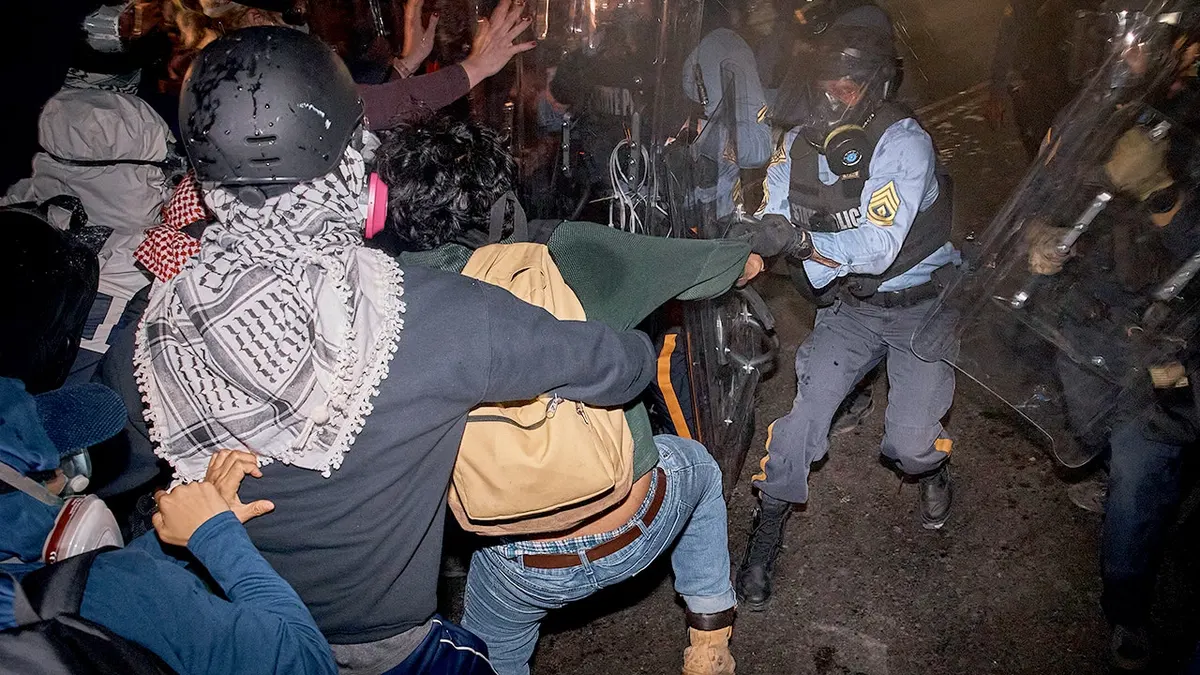
At the same time, demonstrations outside Delaney Hall generated additional political and public attention. Protesters gathered near the facility to express concerns regarding detainee treatment and immigration policies.
Law enforcement agencies increased security measures around the area as demonstrations continued. Furthermore, authorities worked to maintain public safety while managing crowds and protecting nearby properties.
Sherrill defended the deployment of state police resources during periods of heightened activity. She argued that officials needed additional personnel to prevent escalation and maintain order.
However, some local leaders questioned aspects of the security response and expressed different views. As a result, disagreements emerged regarding how authorities should handle demonstrations surrounding the facility.
The Access Dispute remains unresolved as state officials continue pursuing greater transparency and oversight. Meanwhile, federal agencies continue defending facility operations and disputing allegations concerning detainee treatment.
As legal challenges, inspections, and public demonstrations continue, attention remains focused on Delaney Hall. Ultimately, future developments may determine whether officials gain broader access and whether concerns receive independent verification.