
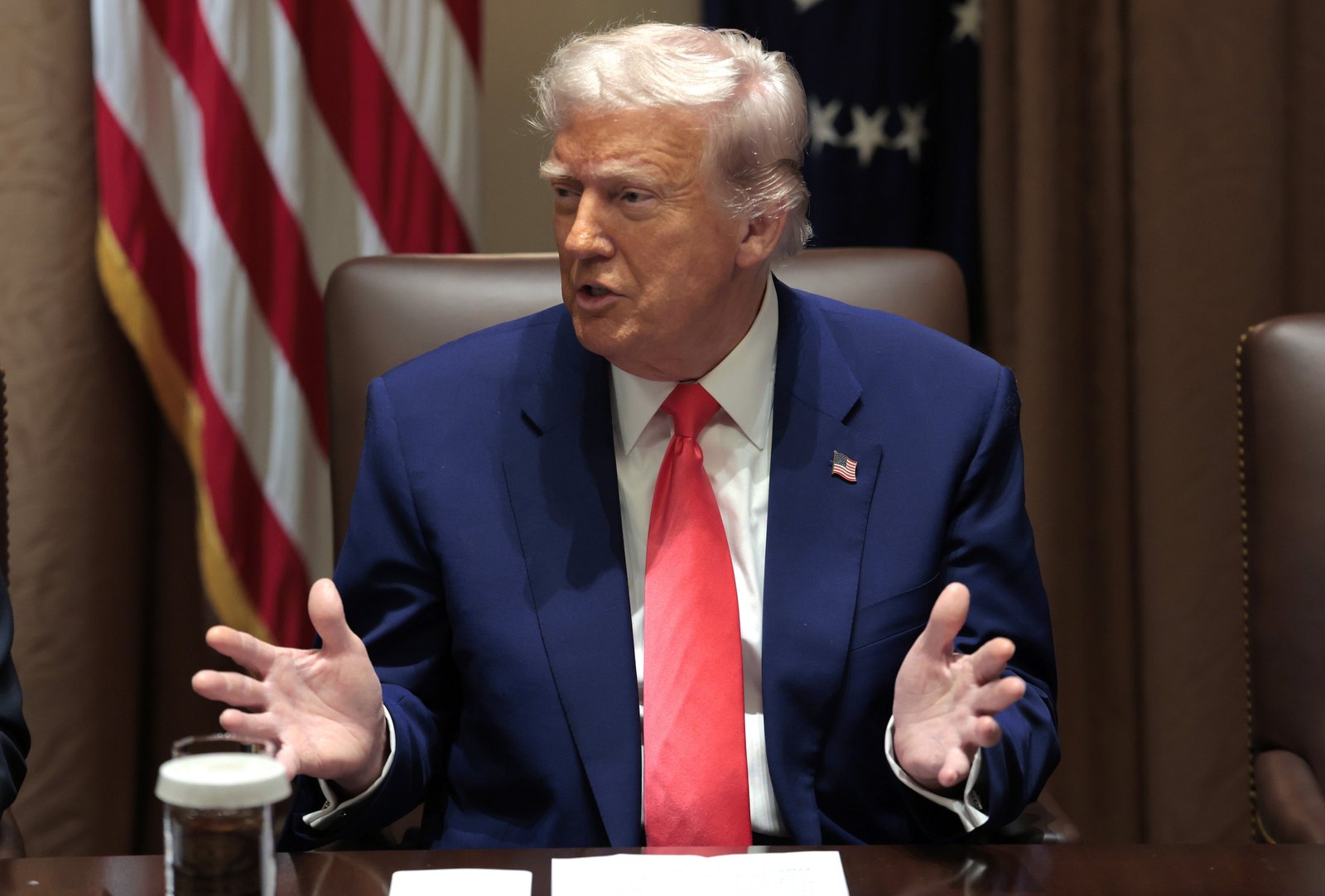
Taiwan relations remain a major focus before President Donald Trump meets Chinese President Xi Jinping during this week’s highly anticipated summit. Leaders from both countries are preparing discussions involving trade, security cooperation, and regional stability across Asia. International observers continue watching developments carefully because the meeting could influence future diplomatic relations between Washington and Beijing significantly.
American officials confirmed Taiwan would likely appear during summit discussions because tensions continue affecting political and economic relationships worldwide. Chinese leaders repeatedly described Taiwan as an essential national interest requiring careful diplomatic management from the United States. Meanwhile, Taiwanese officials continue monitoring developments closely while emphasizing the importance of maintaining regional stability throughout Asia.
Trump previously approved major military sales supporting Taiwan during his current presidential administration despite continuing international political debate. Administration officials highlighted those defense agreements while stressing America’s longstanding commitment to regional security partnerships. However, Trump also encouraged Taiwanese companies to increase investments in American semiconductor manufacturing industries during recent economic negotiations.
Additionally, Taiwan agreed to purchase larger amounts of American liquefied natural gas and crude oil through expanding trade cooperation agreements. These economic discussions strengthened business ties between Washington and Taipei while increasing attention surrounding future American policy decisions. Analysts noted Taiwan’s semiconductor industry remains critically important because global technology companies depend heavily upon Taiwanese production capabilities.
Secretary of State Marco Rubio recently stated American policy regarding Taiwan remains unchanged before upcoming meetings between Trump and Xi. Rubio explained that Washington opposes forced actions affecting Taiwan because stability supports economic growth throughout international markets worldwide. He also emphasized that peaceful dialogue remains important for maintaining productive diplomatic relationships between major global powers.
Chinese Foreign Minister Wang Yi discussed Taiwan recently while preparing arrangements for the presidential summit scheduled this week. Chinese officials encouraged American leaders to make careful policy decisions supporting stable diplomatic relations moving forward internationally. At the same time, Taiwanese security officials welcomed recent American statements reaffirming existing diplomatic positions regarding Taiwan.
White House representatives emphasized that Trump approved substantial military assistance packages supporting Taiwan during recent months in office. Officials stated that those agreements exceeded several previous defense arrangements completed during earlier administrations in Washington. Meanwhile, Taiwan lawmakers approved additional defense spending recently after months of difficult parliamentary negotiations and political discussions.
Foreign policy specialists believe Xi Jinping could request stronger limits affecting diplomatic engagement between Washington and Taiwanese political leaders. However, several analysts argued that significant policy changes remain unlikely because economic and strategic interests continue influencing American decisions throughout Asia. Experts also noted that Trump frequently emphasizes economic leverage during international negotiations involving trade and security matters.
Taiwan relations continue to influence broader conversations involving technology competition between the United States and China worldwide today. American businesses depend heavily upon Taiwanese semiconductor production while competing against rapidly expanding Chinese technological industries internationally. Consequently, many observers expect economic cooperation to remain an important topic throughout summit discussions this week.
Japan and China recently experienced disagreements involving regional security concerns connected indirectly with Taiwan’s future political status. Trump addressed those tensions carefully while emphasizing continued communication with both Chinese and Japanese leadership representatives during recent public appearances. Analysts believe regional allies will monitor summit developments closely because outcomes could influence future diplomatic cooperation throughout Asia.
Ultimately, Taiwan relations remain central because discussions between Trump and Xi could shape future trade, defense, and diplomatic policies significantly. International markets and political leaders alike continue following developments carefully before official meetings begin this week. Many experts expect summit statements to influence regional stability and global economic relationships long after negotiations conclude.

