
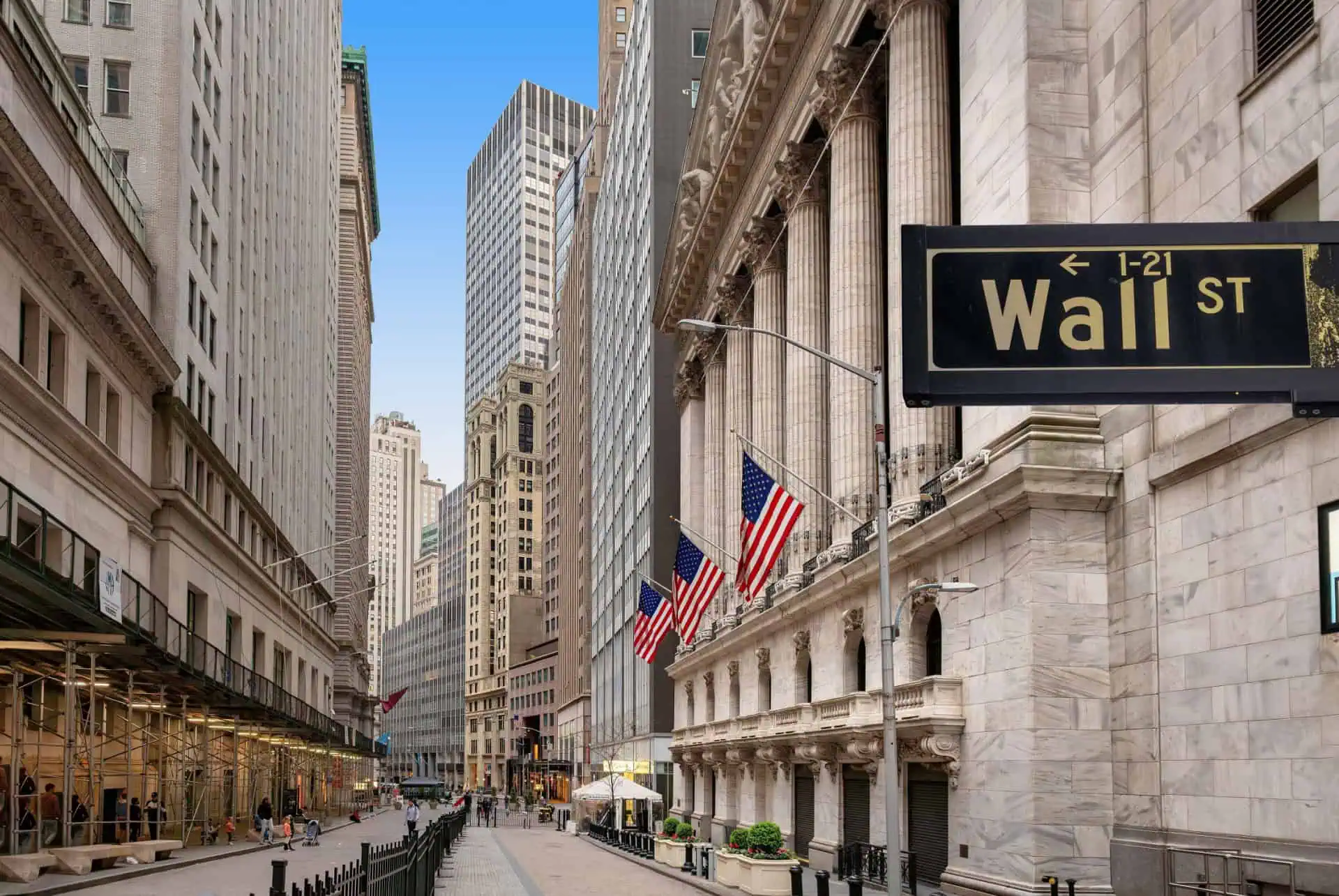
Wall Street Stocks ended slightly lower on Wednesday after July inflation exceeded expectations and investors awaited Nvidia’s latest earnings report. The cautious session reflected concerns about interest rates, inflation, and the outlook for artificial intelligence spending.
The Dow Jones Industrial Average declined 113.52 points, or 0.21 percent, to finish at 53,463.88. Meanwhile, the S&P 500 slipped 1.58 points, or 0.02 percent, to close at 7,675.70.
The Nasdaq Composite also edged lower, falling 21.10 points, or 0.08 percent, to reach 26,130.20. Consequently, all three major indexes finished modestly lower as investors assessed several important market developments.
The latest inflation report showed annual consumer prices rising 3.7 percent through July. That figure remained slightly above expectations, which had called for annual inflation to reach 3.6 percent.
Monthly inflation also increased 0.2 percent during July after declining 0.1 percent during June. Therefore, the latest figures added another concern for investors already watching the Federal Reserve’s interest-rate decisions.
The data could influence expectations surrounding the central bank’s upcoming September policy meeting. Investors are particularly focused on whether policymakers will maintain current rates or consider another adjustment.
Market participants will also closely follow comments from Federal Reserve Chair Kevin Warsh. His upcoming speech at Jackson Hole could provide additional clues about the central bank’s approach to inflation and monetary policy.
However, investors remained cautious because the latest inflation data did not completely change expectations. Instead, markets continued weighing the possibility of higher rates against signs of continued economic strength.
The U.S. economy expanded at an annualized 1.5 percent rate during the second quarter. Although growth slowed, investors still viewed the broader economic environment as relatively resilient.
At the same time, Nvidia remained one of the market’s biggest points of attention. The chipmaker prepared to release quarterly results after the closing bell amid intense interest in artificial intelligence demand.
Nvidia shares declined approximately 1.6 percent before the earnings announcement. Investors wanted evidence that spending on artificial intelligence infrastructure remains strong enough to support current technology valuations.
A weaker-than-expected Nvidia report could therefore renew concerns about the sustainability of the broader AI investment boom. Conversely, strong results could reinforce confidence in technology companies benefiting from rising demand for advanced computing equipment.
Beyond Nvidia, several individual companies also influenced market movements during Wednesday’s session. CrowdStrike shares gained about 2 percent before releasing its quarterly results after the market closed.
Healthcare stocks represented the weakest major sector within the S&P 500. The sector declined about 1 percent as investors continued adjusting positions across different areas of the market.
Moderna shares fell 5.8 percent after recording significant gains during the previous session. Nevertheless, the biotechnology company remained above levels recorded before its recent cancer vaccine developments.
Meanwhile, Meta shares increased approximately 1.1 percent after announcing a major settlement involving claims concerning children and social media. Apple shares also gained around 1.1 percent during the session.
Intuit shares dropped 3.2 percent after the company provided a weaker annual revenue outlook than investors expected. Conversely, J.M. Smucker shares advanced 4.3 percent after forecasting a smaller annual sales decline.
Bond markets also remained important as investors considered inflation, government borrowing, and energy prices. Treasury yields had recently reached multi-year highs before moving lower following government support measures.
Oil prices remained another concern for investors because elevated energy costs can create additional inflationary pressure. Rising fuel prices could therefore complicate the Federal Reserve’s efforts to bring inflation closer toward its target.
Wall Street Stocks also faced mixed signals from broader market participation. Declining shares outnumbered advancing shares on both major U.S. exchanges during Wednesday’s trading session.
On the New York Stock Exchange, declining issues exceeded advancing stocks by approximately 1.16 to one. Meanwhile, Nasdaq-listed declining stocks outnumbered advancing shares by roughly 1.38 to one.
Trading volume also remained below the recent average across U.S. exchanges. Investors appeared cautious as they waited for major economic and corporate developments before making larger positions.
The combination of persistent inflation and uncertainty surrounding monetary policy continues creating challenges for investors. At the same time, strong corporate earnings and resilient economic activity could provide support for equities.
Wall Street Stocks therefore ended the session with limited movement despite several potentially significant market catalysts. Investors now await Nvidia’s earnings and additional economic signals that could shape expectations for September.
The next several trading sessions could prove important as markets assess inflation, interest rates, corporate earnings, and artificial intelligence demand. Together, those factors may determine whether recent market strength continues or gives way to greater volatility.