
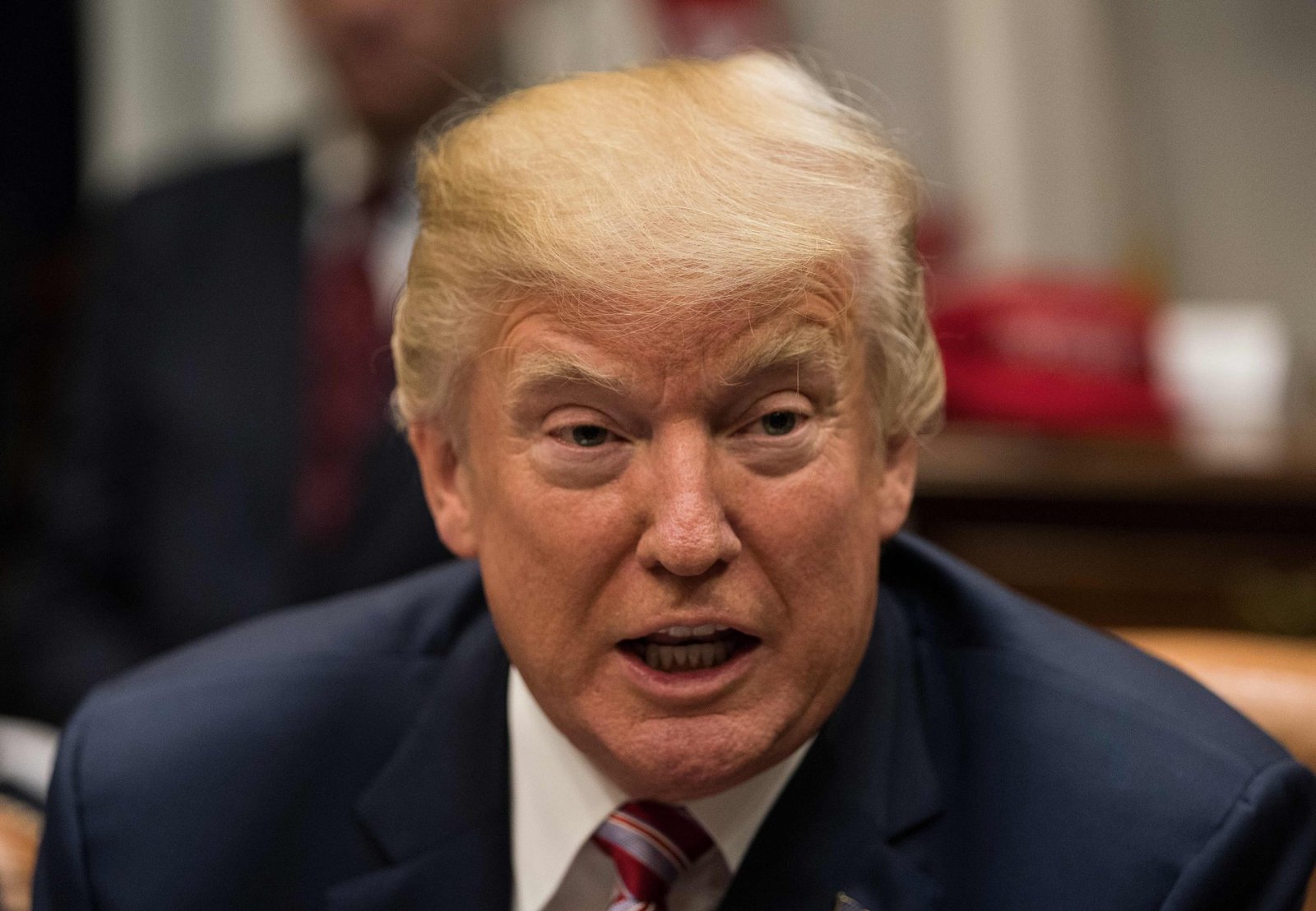
Gas Price Cuts became the focus of President Donald Trump’s latest remarks as he urged major oil companies to reduce gasoline prices following strong profits during the recent conflict involving Iran. He argued that energy producers earned significantly higher revenues while many American consumers continued facing increased fuel costs.
Speaking during an executive order signing at the White House, Trump said several large oil companies generated excessive profits during the recent surge in crude oil prices. Therefore, he called on energy producers to lower retail gasoline prices and provide greater relief for consumers across the country.
Trump specifically mentioned Chevron and ExxonMobil while discussing the industry’s financial performance. He said some companies reported earnings far above previous levels and should return part of those gains by reducing prices at fuel stations.
The president also expressed dissatisfaction with current gasoline prices despite the recent decline in international crude oil markets. He argued that consumers should benefit more quickly when oil prices begin moving lower after periods of market disruption.
His comments followed a sharp decline in Brent crude prices after renewed optimism surrounding diplomatic efforts to reduce tensions involving Iran. Nevertheless, crude oil prices remained noticeably higher than levels recorded before the conflict began earlier this year.
Gasoline prices also remained elevated compared with pre-conflict averages across many parts of the United States. Consequently, households continued facing higher transportation costs while managing broader increases in everyday living expenses.
Trump predicted oil prices could fall substantially if the regional conflict comes to an end through diplomatic solutions. He suggested that declining crude prices should eventually translate into lower gasoline costs for drivers nationwide.
During his remarks, the president emphasized that energy companies should play a larger role in easing financial pressure on consumers. According to Trump, businesses benefiting from exceptional profits should also help reduce costs affecting millions of families.
Chevron did not immediately issue a public response following the president’s comments. Meanwhile, ExxonMobil declined to comment regarding Trump’s statements about company profits and gasoline prices.
Trump also criticized Chevron Chief Executive Officer Mike Wirth during separate public remarks earlier in the week. He argued that the company benefited from policies supporting domestic energy production while failing to recognize the administration’s contributions.
Additionally, Trump questioned Chevron’s operations involving Venezuelan crude oil production. Company executives have previously stated that crude imports from Venezuela help increase available supply while supporting lower fuel costs in the United States.
Although political leaders frequently criticize oil companies over gasoline prices, industry pricing follows several different market factors. Crude oil remains the largest component influencing fuel prices because it represents more than half of the total cost for each gallon.
Beyond crude oil prices, transportation and fuel distribution expenses also contribute to final retail gasoline costs. Those expenses include shipping fuel to service stations together with operating costs incurred by retailers.
Refining costs also influence prices because crude oil requires processing before becoming usable gasoline and other petroleum products. Consequently, changes in refining capacity and production costs can affect prices even when crude oil declines.
Market analysts continue monitoring whether lower international oil prices eventually reduce fuel costs for consumers. However, retail gasoline prices often respond gradually because supply chains, refining operations, and distribution expenses require additional time to adjust.
The administration continues emphasizing lower consumer costs as an important economic objective during the current year. Rising fuel prices remain especially important because transportation expenses directly affect household budgets and business operating costs.
The latest comments highlight continued attention on energy markets as policymakers monitor global developments affecting oil supplies. Meanwhile, consumers will watch closely to determine whether future market conditions deliver the Gas Price Cuts discussed by the president. As oil markets remain sensitive to geopolitical events, future Gas Price Cuts will largely depend on global supply conditions and domestic fuel market trends.