
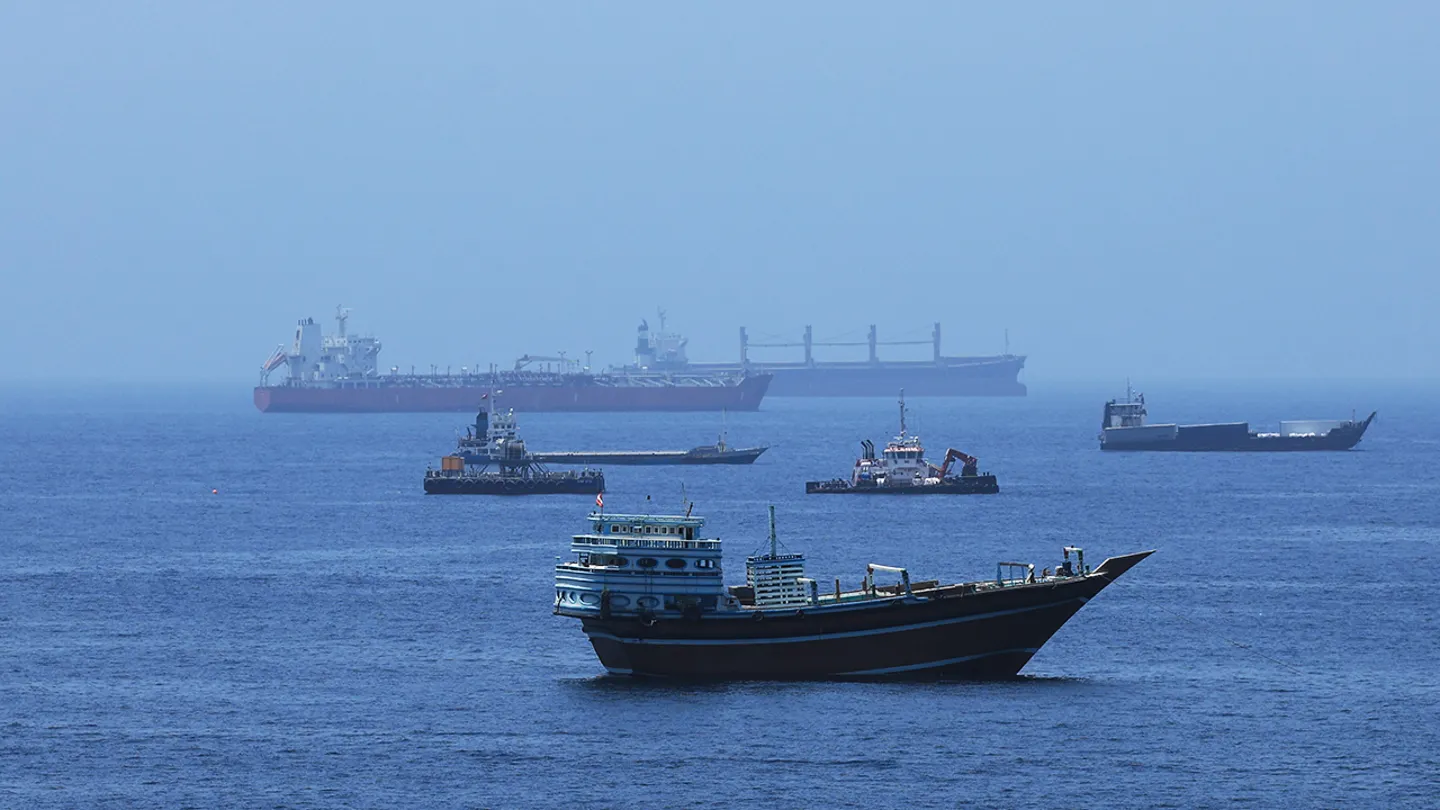
Shipping Risk has intensified across the Strait of Hormuz as regional conflict and military operations continue disrupting one of the world’s busiest maritime trade routes. At the same time, Iran resumed loading millions of barrels of crude oil from Kharg Island after several days of reduced activity.
A major international shipping company described current conditions in the Persian Gulf as the “new normal.” Company officials said ongoing conflict has created lasting operational uncertainty. They also said every vessel now receives an individual risk assessment before entering the region.
According to maritime monitoring firms, Iran resumed loading crude at multiple terminals on Kharg Island for the first time in several days. Analysts reported that the T-Jetty and Western Terminal loaded cargo simultaneously while dozens of tankers remained nearby.
Data showed the East Waiting Area contained 28 tankers, including 27 operating without publicly available tracking signals. Maritime analysts said this activity indicated Iran had restarted its crude export cycle.
The departing cargo totaled an estimated 4.12 million barrels of wet cargo, including crude oil and other liquid hydrocarbons. Analysts estimated that about 3.91 million barrels consisted of crude oil.
Company representatives said they have continuously monitored the conflict since fighting began. Security assessments now involve outside security partners, government authorities, shore personnel, and vessel crews before every voyage.
Officials said changing conditions require an individual review for every ship entering the region. They emphasized that protecting crew members remains their highest operational priority.
Military developments have added new complications for commercial shipping. U.S. Central Command carried out airstrikes against Iranian targets, including Qeshm Island, on June 26 after a vessel was struck while transiting the strait.
Iran’s Islamic Revolutionary Guard Corps later responded by targeting U.S. military facilities in Kuwait and Bahrain. Those actions further increased regional tensions.
Conflicting navigation instructions have also complicated vessel movements through the strategic waterway. Maritime observers described a divided transit system operating between northern routes controlled by Iran and southern routes protected by U.S. naval forces.
Analysts said previous shipping routes have become difficult to use because of mine-related concerns. Commercial vessels now operate under a more complicated navigation system than before the recent conflict.
Iranian Foreign Minister Abbas Araghchi said Iran remains responsible for managing and fully reopening maritime traffic through the Strait of Hormuz. Iranian state television also reported that vessels must coordinate passage with the Islamic Revolutionary Guard Corps.
The shipping company rejected any proposal to impose passage fees through the Strait of Hormuz. Officials said international waterways differ from infrastructure projects such as the Suez Canal and Panama Canal, where transit fees support major investments.
Many commercial crews initially faced delays because of temporary closures and conflicting naval guidance. However, the company confirmed all affected vessels had safely departed the Persian Gulf.
Shipping Risk continues shaping commercial operations throughout the region as military activity and changing security conditions affect vessel movements. Industry participants continue monitoring developments while adjusting operations to protect crews. Shipping Risk remains a central concern as regional tensions continue affecting maritime traffic and crude oil exports.

