U.S.-Iran Deal developments moved to the forefront after Washington and Tehran reached an agreement aimed at ending recent hostilities. Additionally, both governments agreed to reopen the Strait of Hormuz while launching broader negotiations concerning sanctions and Iran’s nuclear activities. Consequently, financial markets reacted positively as energy prices moved lower following the announcement.
The agreement marks a significant diplomatic step after weeks of heightened regional tensions. Furthermore, officials from both countries signaled their intention to continue discussions through additional negotiation channels. As a result, international observers are closely monitoring whether both sides can maintain momentum.
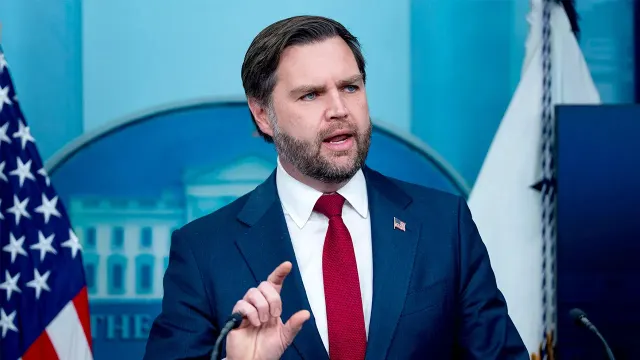
Vice President JD Vance described the agreement as a potentially transformative moment for the Middle East. Moreover, he stated that long-term success depends on Iran fully honoring its commitments under the arrangement. Therefore, administration officials emphasized that compliance remains central to future cooperation.
At the same time, Vance cautioned that Washington retains options if Tehran fails to meet obligations. Additionally, he stressed that economic and diplomatic benefits depend entirely on continued adherence to the agreement. Consequently, officials signaled that future policy decisions will depend on Iran’s actions.
Meanwhile, regional reactions have remained mixed following the announcement. Several Israeli leaders publicly expressed concerns regarding aspects of the agreement and its implementation. However, Israeli Prime Minister Benjamin Netanyahu had not immediately provided extensive public comments following the announcement.
Israeli Defense Minister Israel Katz also stated that military deployments in certain areas would remain unchanged. Furthermore, security concerns continue to influence policy decisions, despite the diplomatic breakthrough between Washington and Tehran. Therefore, regional stability remains a key issue moving forward.
Elsewhere, reports indicated that discussions continue regarding economic initiatives connected to future cooperation. Additionally, proposals involving large-scale private investment opportunities have attracted considerable attention among policymakers. Consequently, economic considerations may play a significant role in upcoming negotiations.
President Masoud Pezeshkian stated that senior Iranian leadership participated directly in shaping the memorandum of understanding. Moreover, Iranian officials described the agreement as part of a broader diplomatic framework. As a result, both governments appear focused on maintaining dialogue through future meetings.
The U.S.-Iran Deal also influenced energy markets because the Strait of Hormuz remains a critical shipping route. Furthermore, traders viewed the reopening agreement as a positive signal for future oil transportation. Therefore, crude prices declined as investors anticipated reduced disruptions.
Despite the diplomatic progress, officials acknowledged that significant challenges remain unresolved. Additionally, both sides must address complex issues involving sanctions, security concerns, and nuclear policies. Consequently, negotiations are expected to continue over an extended period.
The U.S.-Iran Deal now stands as a major development in regional diplomacy and international relations. Meanwhile, policymakers, investors, and allies continue evaluating its long-term implications. Ultimately, future outcomes will depend on whether both countries fulfill commitments and sustain constructive engagement.