
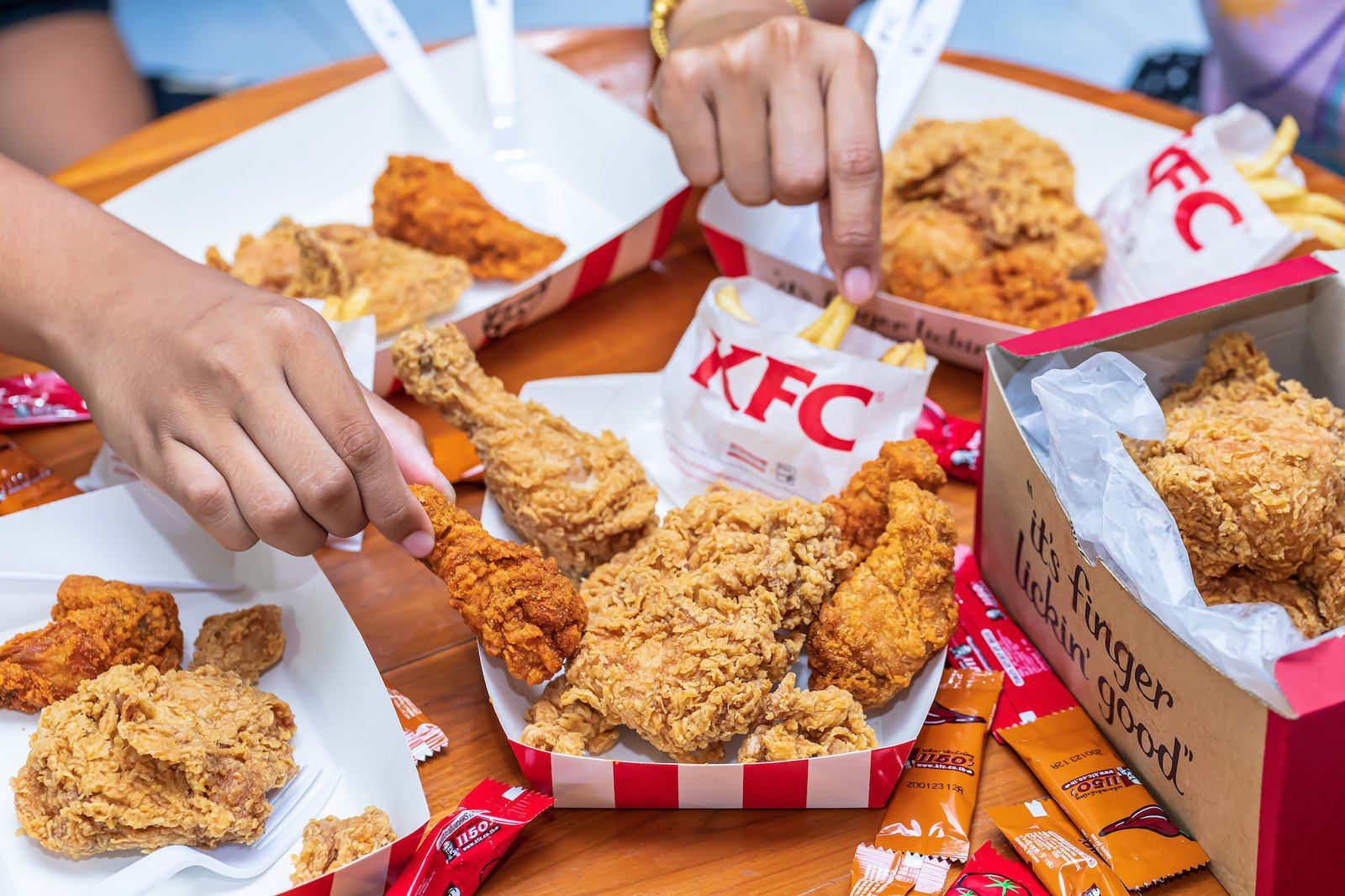
KFC has announced a major business strategy centered on Boneless Chicken as competition intensifies globally. The initiative aims to attract modern consumers while strengthening the brand’s position across key markets.
The restaurant chain plans significant menu changes while introducing new products and dining experiences. Furthermore, executives believe changing consumer preferences creates opportunities for innovation throughout the business. Consequently, the company intends to modernize its offerings while maintaining its established identity.
A major focus involves expanding Boneless Chicken selections across restaurants in several international markets. Company leaders expect these products to appeal strongly to younger consumers seeking convenience. Additionally, the chain has updated recipes to improve taste, texture, and overall quality.
Executives stated that customer demand continues shifting toward easy-to-eat chicken products. Therefore, the company wants to strengthen its presence within one of fast food’s fastest-growing categories. At the same time, management hopes improved menu items will differentiate KFC from rivals.
The strategy also includes a broader selection of dipping sauces and flavor combinations. New offerings blend familiar ingredients with distinctive tastes designed to attract adventurous customers. Moreover, the company plans to introduce sauce-covered tenders, sandwiches, and wings internationally.
Several regions have already started testing new menu concepts and product innovations. Meanwhile, additional markets will receive updated menu items during upcoming rollout phases. As a result, customers across different countries will experience similar product improvements.
Beyond food, KFC is expanding beverage offerings through a newly developed drink platform. The company plans to feature sparkling beverages, iced coffee products, and specialty refreshments. Furthermore, executives view beverages as an important opportunity for future revenue growth.
Restaurant design represents another important component within the company’s long-term development strategy. Therefore, upcoming locations will feature open layouts and more interactive customer experiences. Management hopes these changes encourage guests to spend more time inside restaurants.
New flagship locations will showcase immersive design elements intended to create memorable visits. Additionally, the company wants restaurants to compete for attention in an increasingly digital environment. Consequently, physical locations may play a larger role in strengthening customer loyalty.
KFC also plans updates to branding elements while preserving recognizable company traditions. The refreshed visual identity includes adjustments to logos, packaging, and restaurant presentation. However, leadership intends to maintain connections with the brand’s historical image.
The strategy arrives as the company faces increasing pressure from expanding chicken competitors. Several restaurant brands have gained market share through focused menus and strong growth. Therefore, KFC continues searching for ways to regain momentum in important markets.
Despite challenges within some regions, international operations continue delivering positive business performance. Several overseas markets remain significant contributors to overall sales and expansion efforts. Meanwhile, company leadership continues evaluating opportunities for sustained long-term development worldwide.
Recent results indicate improving performance in certain markets following operational and menu adjustments. Executives have introduced value-focused promotions while emphasizing Boneless Chicken products more prominently. As consumer preferences evolve further, Boneless Chicken could remain central to future growth initiatives.